
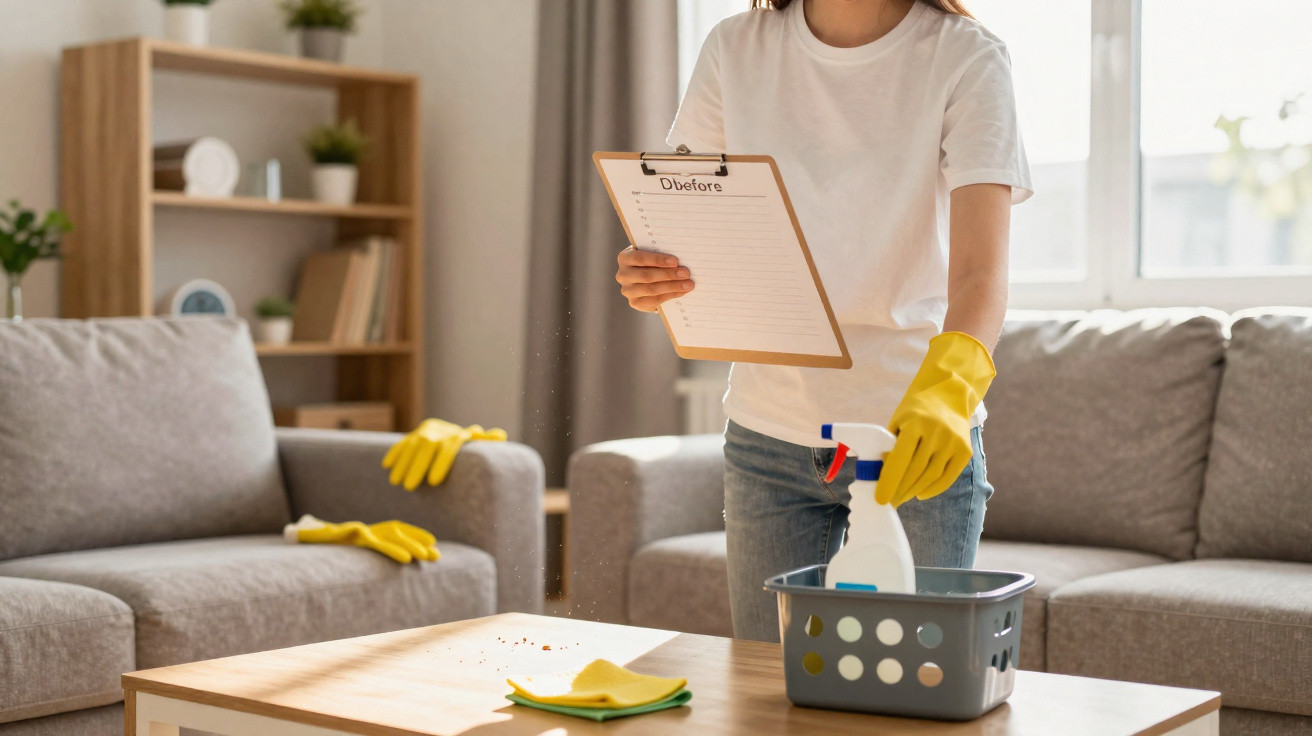
Saturday morning, 10.17 am. You decide that today is the day this place finally looks spotless. You snatch whatever cloth is closest, grab whichever spray is to hand, and aim for that tacky kitchen worktop that has been bothering you all week. Then, as you go to put the spray back, you notice a film of dust on the TV unit. So you head into the other room. You wipe it down. You return to the kitchen. Then you spot crumbs on the floor. Now you’re sweeping.
By the time you’ve taken your third diversion and changed your mind for the fourth time, your coffee is cold - and so is your patience.
Two hours later you’re hot, a bit fed up, the house looks sort of improved… and it feels like you’ve spent the entire day cleaning.
Something you can’t see has been quietly draining your time.
The hidden chaos behind “I’ll just clean a bit”
There’s a simple reason some people appear to be constantly cleaning yet never feel finished. It isn’t laziness, and it’s not because their homes are messier than anyone else’s. Most of the time, the real problem is happening behind the scenes: the sequence they’re working in.
When you bounce between jobs without a clear order, you create little overlaps you don’t notice in the moment. You end up cleaning the same patch twice. You shift the same items around again and again.
The rooms may end up looking acceptable, but your mind and your body have effectively done an indoor marathon.
Imagine this. You begin by mopping the living room because the floor looks dusty. Halfway through, you see a sticky ring on the coffee table. You fetch a spray, wipe the table, and a few droplets land on the floor you’ve just mopped. So you “quickly” mop that bit again. Then you decide to dust the shelves, and fine dust drifts down… straight onto the clean floor. You exhale, and reach for the mop for a third round.
Nothing technically “went wrong”. You simply tackled the jobs in the least forgiving order. Repeat that pattern in the bathroom, hallway and kitchen, and you’ve doubled your workload without realising it.
Our brains tend to chase whatever looks most urgent or most obvious. A strange mark on the worktop screams for attention far more than dust on a high shelf, so we follow what’s loudest - not what’s most efficient. The snag is that cleaning is one of those tasks where gravity and logic already dictate the order. Dust drops down. Dirty water runs down. Crumbs fall down.
When your routine fights that basic reality, you end up pursuing mess you’ve just created. The day drags, the results feel a bit “meh”, and next time you put cleaning off even longer because, deep down, you remember how draining it was.
The simple order that cuts your cleaning time
Professional cleaners often rely on one calm, reliable rule: work high to low, and dry to wet. That’s the backbone of an efficient clean.
Start with anything above waist height or at eye level: shelves, the top of the fridge, light fittings, mirrors, worktops. Let gravity do what it always does. Dust and crumbs can drop where they like because you haven’t dealt with the floors yet.
After that, move through mid-level surfaces, and only then go down to ground level. Leave the final stage until last: vacuum, sweep and mop. One pass - not three.
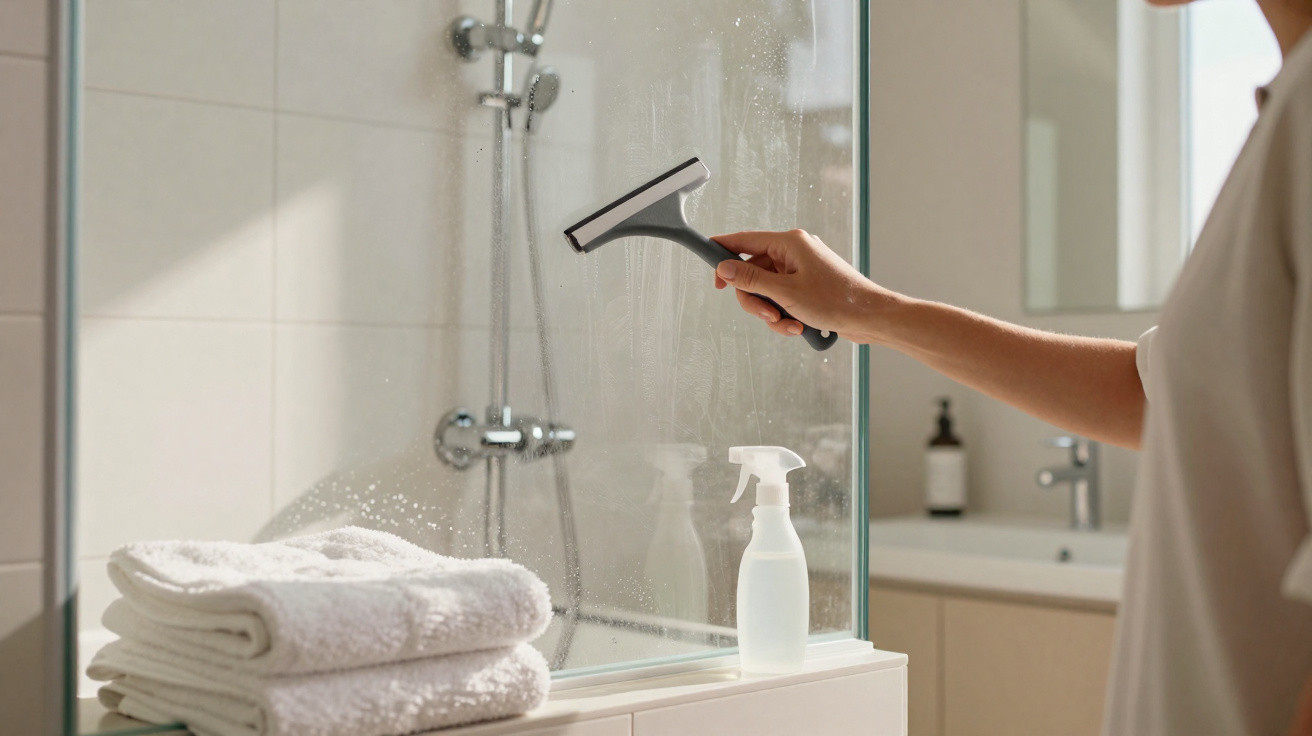
Another time-saver is to batch tasks by type rather than sticking rigidly to one room at a time (when it makes sense). Do a full “dusting round” throughout the home before any wet cleaning. Then do a “glass and mirrors round”. Then finish with a “floors round”. Repeating the same movement in room after room lets your body run on autopilot: less decision-making, fewer tool swaps, fewer moments of “Where did I put that cloth?”
This is exactly where many of us stumble. We walk into a room “just to put something away”, notice something grubby, and launch into a quick mini clean. That breaks your rhythm and forces you to reinvent the plan every few minutes. No wonder it feels like you’re cleaning all day and getting nowhere.
One professional cleaner I interviewed summed it up in one blunt sentence: “People don’t hate cleaning, they hate cleaning the same thing twice.”
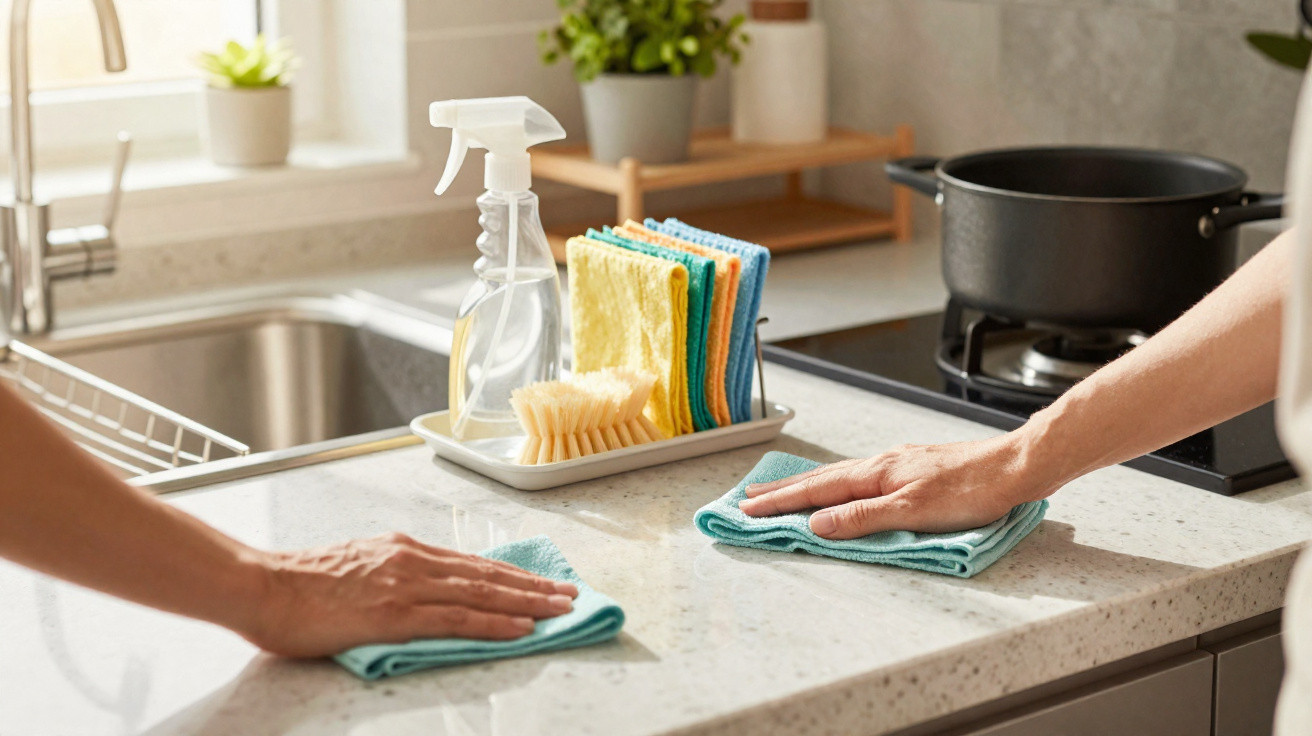
A better sequence prevents that rework without making a fuss about it. It also reduces how much product you use - and how tired you feel afterwards. When you go from dry to wet, you don’t turn dust into a smeary paste on the first wipe. You remove most of it with a dry cloth or duster, then use a damp cloth only where it genuinely helps. That means less cleaner, fewer streaks and less hard scrubbing.
- High to low: tops of furniture, shelves, cupboards, fridge, then tables and worktops, then skirting boards and floors.
- Dry to wet: dust and vacuum first, then wipe with damp cloths, then mop.
- Room order: begin with the cleanest rooms and leave the kitchen and bathroom until last.
- Tool prep: keep one caddy with cloths, sprays and rubbish bags, with the vacuum close by.
- Stop rule: one pass per surface. If it still isn’t clean, plan a “deep clean” day - don’t restart the whole job now.
The quiet satisfaction of cleaning less but better
Once you notice how much the order of cleaning shapes your experience, it’s hard to ignore. You’ll catch yourself about to mop before you dust and think, “No - I’m not doing that again.” That small pause is where your time starts returning. It’s also where the frustration slowly drains away. Your Saturday morning stops being a looping series of half-done tasks and becomes a short, deliberate routine that actually finishes.
And yes - nobody manages this perfectly every day. Life gets busy, and homes are meant to be lived in. But on the days you follow a clear sequence, the difference shows up in your body. Your back feels less strained. Your head feels clearer. You’re not wandering around with a dripping mop, trying to remember what you’ve already cleaned.
You may even spot similar “bad sequencing” elsewhere: running the washing machine before sorting laundry, starting to cook before clearing even a little worktop space, firing off emails before planning your day. Cleaning just happens to make the pattern obvious. When the order clashes with the logic of the job, everything feels heavier. When it matches, the whole process gains a quiet momentum.
We’ve all had that moment of looking around and thinking, “How have I spent three hours on this and it still looks messy?” That feeling usually isn’t about being “good” or “bad” at cleaning. It comes from tiny, almost invisible choices about what you do first, second and third. Change the order, and what your home looks like at the end of the day changes too.
| Key point | Detail | Value for the reader |
|---|---|---|
| Work from high to low | Begin with shelves, the tops of furniture and worktops before you touch the floor | Stops dust and crumbs landing on areas you’ve already cleaned |
| Go from dry to wet | Dust and vacuum first, then use damp cloths and mops | Cuts down scrubbing, saves products and helps prevent streaks |
| Group similar tasks | Do all the dusting, then all the glass, then all the floors | Speeds things up and makes the process less mentally tiring |
FAQ:
- Question 1 Why does my home still look messy after I clean for hours?
- Answer 1 You’re likely cleaning the same areas again without realising it. If you mop before dusting or tackle little marks in a random sequence, you undo your own progress. A clear routine (high to low, dry to wet, room by room) creates visible results without extra effort.
- Question 2 What’s the best order to clean a small apartment?
- Answer 2 Start by putting items back where they belong, then dust all surfaces, then clean mirrors and glass, and finish with vacuuming and mopping. Move in one loop from the entry to the living area to the bedroom to the kitchen to the bathroom so you don’t keep walking over clean floors.
- Question 3 How often should I follow this “full” cleaning order?
- Answer 3 For most people, once a week is enough for a full run. Between those days, stick to quick touch-ups: wipe kitchen worktops, deal with visible spills, and keep on top of dishes and laundry. The weekly sequence stops the chaos rebuilding too quickly.
- Question 4 What if I only have 30 minutes to clean?
- Answer 4 Choose one complete sequence rather than doing “a bit of everything”. For example: tidy and dust only the living room and bedroom, or focus just on bathrooms and kitchen worktops. A fully finished mini-zone feels far more satisfying than half-started tasks everywhere.
- Question 5 Do I really need special products to clean efficiently?
- Answer 5 No. Simple tools are enough: a vacuum or broom, two or three microfibre cloths, an all-purpose cleaner, glass spray and a mop. The order you use them in makes a much bigger difference than buying another “miracle” bottle.
Comments
No comments yet. Be the first to comment!
Leave a Comment