
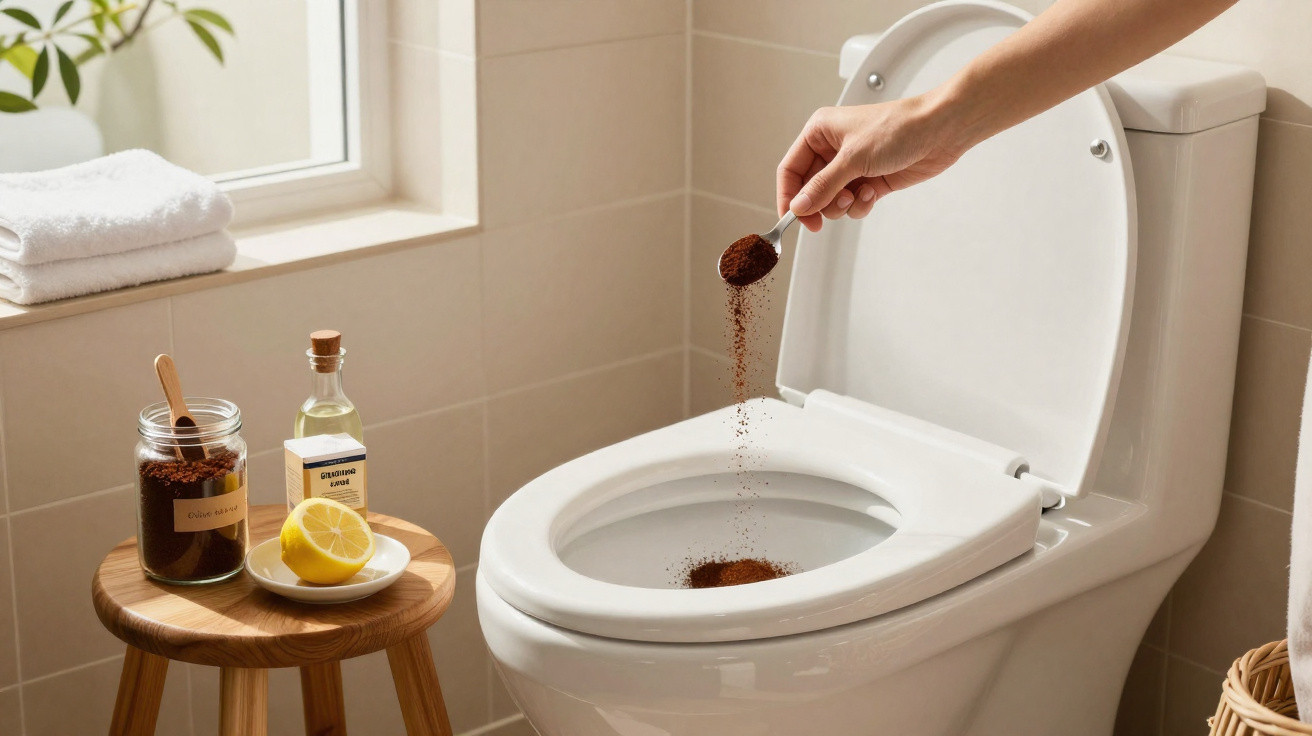
Guests are about to arrive, the clock is ticking - and the bathroom air is anything but fresh.
A simple kitchen trick can change that in minutes.
Plenty of people clean the toilet regularly and still think, “There’s always a bit of a pong.” And right before visitors turn up, no one wants an unpleasant smell to be the first thing they notice in the bathroom. Rather than reaching for harsh, perfumed products from the chemist or supermarket, a quick rummage in the kitchen cupboard is often enough - and after 15 minutes the WC can feel as though it’s been cleaned like a hotel bathroom.
How coffee in the toilet can create a hotel-fresh scent
Most people associate coffee with waking up, not toilet hygiene. That’s exactly why this tip feels so unexpected - and why it works so well: ground coffee is excellent at binding odours. It doesn’t just mask smells with fragrance for a short time; it helps neutralise them.
"Ground coffee in the toilet acts like a natural odour magnet - fast, low-cost and without aggressive chemicals."
How the coffee method works, step by step
For a rapid freshness boost before guests arrive, you only need a few teaspoons of coffee grounds. Standard ground roasted coffee is ideal - whether it’s a budget own-brand or a pricier blend.
- Lift the toilet seat and make sure the WC is reasonably clean (remove any obvious grime first).
- Sprinkle 2–3 teaspoons of ground coffee directly into the bowl.
- Leave the coffee to sit for about 15 minutes - don’t flush.
- After the waiting time, flush thoroughly once.
- Open the window briefly (or crack it open) so the coffee scent can circulate.
If you want a stronger effect, put an extra 1–2 teaspoons into a small dish and leave it in the bathroom for the duration of the visit. Used this way, it behaves like a natural air freshener.
When the coffee trick is especially useful
This approach is particularly handy:
- shortly before guests arrive,
- after particularly strong-smelling toilet visits,
- in small bathrooms without a decent window,
- when chemical fragrance dispensers trigger headaches.
One important point: coffee is not a replacement for proper cleaning. It tackles odours, but it won’t remove stubborn urine scale or brown build-up. If you want genuine cleanliness, you need more than a pleasant smell.
Natural ways to keep a toilet clean and pleasant-smelling
If you don’t have coffee in the house - or you also want to tackle grime inside the bowl - tried-and-tested household staples can help. Popular choices include bicarbonate of soda (or baking powder / washing soda), vinegar and citric acid. These can clean, loosen limescale and improve the smell at the same time.
Bicarbonate of soda and vinegar: foaming power against grime and odours
Combining bicarbonate of soda (or soda) with vinegar is a classic eco-friendly cleaning method. The foam isn’t just for show: the reaction helps lift deposits and loosen stubborn dirt.
"Half a cup of soda and a splash of vinegar can do more overnight than some advertised toilet cleaners."
Use it like this:
- Sprinkle roughly half a cup of soda or bicarbonate of soda into the toilet bowl.
- Pour in vinegar slowly until it starts foaming vigorously.
- Avoid flushing straight away; leave it to work - a few hours is good, overnight is ideal.
- The next morning, scrub with the toilet brush.
- Flush once or twice until no residue remains.
The foam can reach into awkward areas too. Many people find that yellowish rings and grey deposits become noticeably lighter after one or two treatments.
Citric acid: a secret weapon against limescale and urine scale
Citric acid is widely available as a crystalline powder in most supermarkets. Mixed with warm water, it helps with limescale lines and the typical urine-scale marks that often form around the waterline.
How to use it in the toilet:
- Add about three tablespoons of citric acid powder to the bowl.
- Pour in a little warm (but not boiling) water.
- Leave for at least 15–20 minutes; for heavy limescale, leave it longer.
- Scrub thoroughly with the brush.
- Flush - the bowl should look much brighter and smell clean and neutral.
Unlike heavily perfumed toilet cleaners, the result is a subtle “clean” smell that won’t clash with other bathroom scents.
Typical causes of bad smells in the WC – and what actually helps
If you’re constantly battling stale, unpleasant bathroom air, don’t focus only on the bowl. Smells often come from elsewhere.
| Cause | Signs | Action |
|---|---|---|
| Urine scale in the toilet | Yellow/brown rings, rough coating | Citric acid, vinegar, regular brushing |
| Blocked or partially blocked drains | Gurgling noises, foul smell | Clean the drain; call a professional if needed |
| Damp textiles | Musty, “cellar-like” smell | Change towels more often, ventilate the bathroom |
| Over-perfumed cleaners | Sickly, sharp scent that turns unpleasant | Switch to neutral products or household remedies |
In small bathrooms without a window, the air can turn quickly. A short burst of ventilation via the rest of the home, keeping the door slightly ajar, and using fragrance sprays sparingly can all help keep the room feeling fresher.
How often to use household remedies in the toilet
For the coffee trick, soda mixes and citric acid to have a lasting effect, consistency matters. As a rough guide:
- Coffee grounds as an emergency fix: as needed, especially before guests or after a strong smell.
- Soda and vinegar: about once a week with normal use; more often if you have hard water.
- Citric acid: every 1–2 weeks for limescale and urine scale, or more frequently if required.
If you use more than one method, space them out. Don’t add vinegar, citric acid and coffee one after another - it reduces effectiveness and simply sends unnecessary mixtures down the drain.
Risks, limits and sensible combinations
Household remedies are often gentler than conventional toilet cleaners, but they still need a bit of care. Over time, vinegar and citric acid can affect some thin seals and certain metals if left concentrated for long periods. In normal amounts, they’re not a problem for the toilet bowl itself.
After use, coffee grounds go into the wastewater. Occasional use is generally fine, but if you have very old or delicate pipework, avoid tipping large quantities into the WC every day. If you’re unsure, use smaller amounts or rely on a dish of coffee to scent the room.
A practical approach is to combine routine with a quick “save”: use soda, vinegar and citric acid day-to-day to tackle dirt and limescale, then add a spoonful of coffee shortly before visitors arrive for that “hotel” note in the air. That way the bathroom is not only clean - it smells like it too.
Ultimately, it comes down to preference: some people like a coffee scent in the bathroom, while others prefer the neutral cleanliness of citric acid. Either way, a few simple cupboard staples can make the WC far more pleasant - without pricey specialist products from the cleaning aisle.


Comments
No comments yet. Be the first to comment!
Leave a Comment