
Wood is widely seen in the kitchen as natural, hard-wearing and hygienic. Even so, plenty of people still clean their boards, spatulas and salad servers the way they learned from their parents or grandparents-without ever checking whether those habits actually make sense. A TV expert is now challenging one particularly common cleaning ritual and explains which approach really gets wood clean without ruining it.
Why wood is so popular in the kitchen
Whether it’s a chopping board, a pan spatula or salad servers, wooden utensils are firmly back in fashion. In many kitchens they are gradually replacing plastic spoons and turners.
- Wood feels comfortable to hold and has a warm, natural look.
- It’s gentler on non-stick pans and coated cookware.
- It’s renewable and, in many cases, easier to recycle than plastic.
- When cared for properly, it can last for years.
At the same time, plastic items are coming under increasing scrutiny. Doctors warn about plasticisers and other chemicals that can leach out when heated or when surfaces become scratched, potentially ending up in food. A well-known TV doctor recently summed it up bluntly: in his view, kitchen plastics should disappear entirely in the long run. That makes wood an obvious alternative-provided it is cleaned correctly.
The supposed super trick: boiling wood in a pan
A tip has been doing the rounds on social media for quite some time: put wooden spoons, small boards and similar items into boiling water to “deep clean” and disinfect them. Many users post videos of the water turning dark-presented as proof that old residue, grease and bacteria are being drawn out of the wood.
What looks so impressive in the saucepan is, according to specialists, in reality a classic flop.
A specialist guest on a major TV breakfast show strongly pushed back against this method. Boiling, he said, is not a clever hygiene hack-it steadily destroys the wood over time.
What really happens when you boil wood
When you boil wooden utensils, something occurs that many people simply don’t factor in: high temperatures and prolonged soaking release natural compounds from the wood-among them tannins. These can turn the water brown. It may look dramatic, but it says very little about how hygienic the utensil has become.
At the same time, the process damages the material:
- The wood swells significantly and can warp.
- Fine cracks may form, creating places where germs can lodge more easily.
- Surfaces become rough, start to fray and can feel “soggy” or slippery.
- Each round of boiling reduces strength, making breakage more likely.
The TV expert put it plainly: if you boil your wooden spoons regularly, you are not extending their lifespan-you are shortening it.
The method that actually keeps wood clean and durable
Rather than trying to “sterilise” wood in a pan, the expert recommends a two-part routine: gentle day-to-day cleaning plus occasional deeper maintenance. It is surprisingly straightforward and can be done in any kitchen.
Step 1: Daily cleaning with mild products
After each use, a thorough wash with hot water and a little washing-up liquid is usually enough. For more stubborn mess, the following can help:
- a mild soap (a traditional bar soap or another grease-cutting soap)
- optionally, a splash of household vinegar in the washing-up water to tackle odours
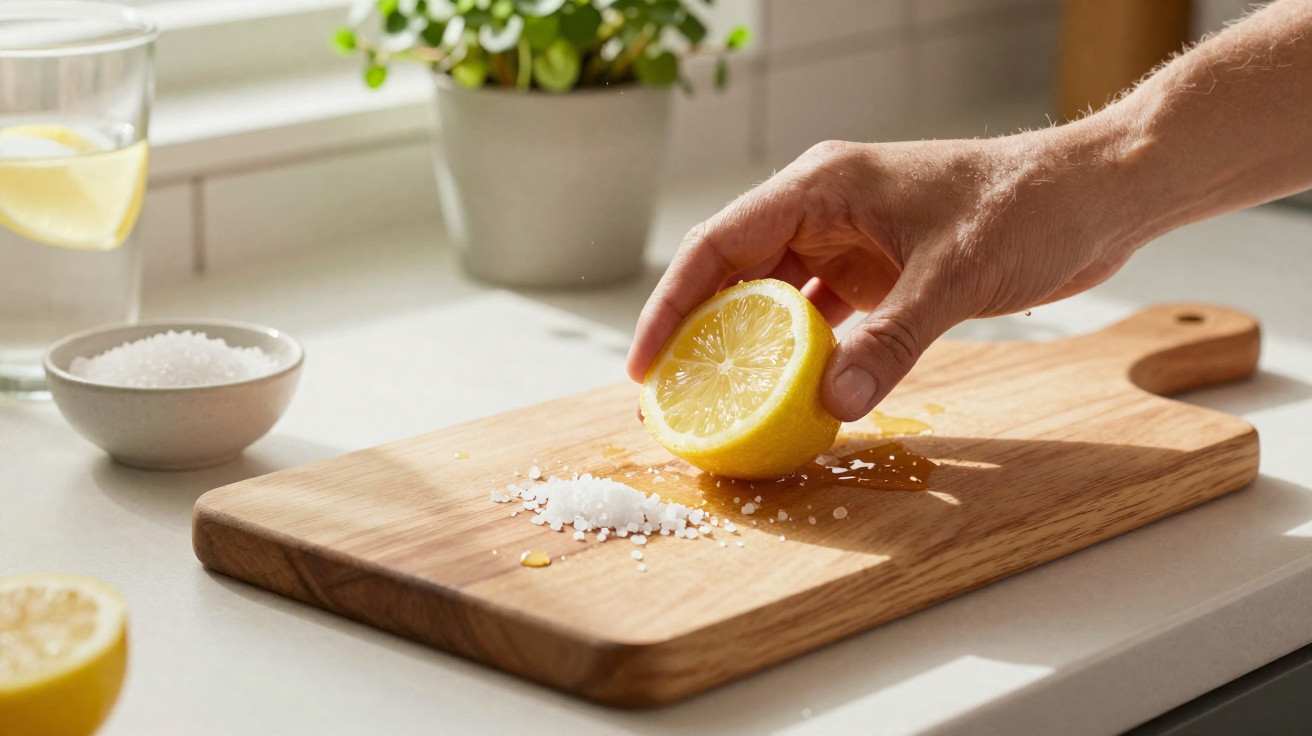
- for persistent smells, a little coarse salt as a mild abrasive
The key point: never leave wood soaking in water. After washing, dry it straight away and then stand it upright (or on its edge) to finish drying completely. That lets air circulate, allows moisture to escape and gives germs fewer opportunities.
Step 2: A “wellness treatment” with fine sandpaper
For utensils that look worn or feel slightly slimy, the expert suggests a simple but highly effective fix: fine sandpaper. A grit of around 180 is particularly suitable.
- Let the wood dry completely.
- Sand the surface with fine sandpaper, working with the grain.
- Wipe away all dust thoroughly with a cloth.
Sanding removes rough patches, old discolouration and some of the surface-level contamination. The utensil feels smooth and pleasant again. Many people report that the wood feels almost new afterwards.
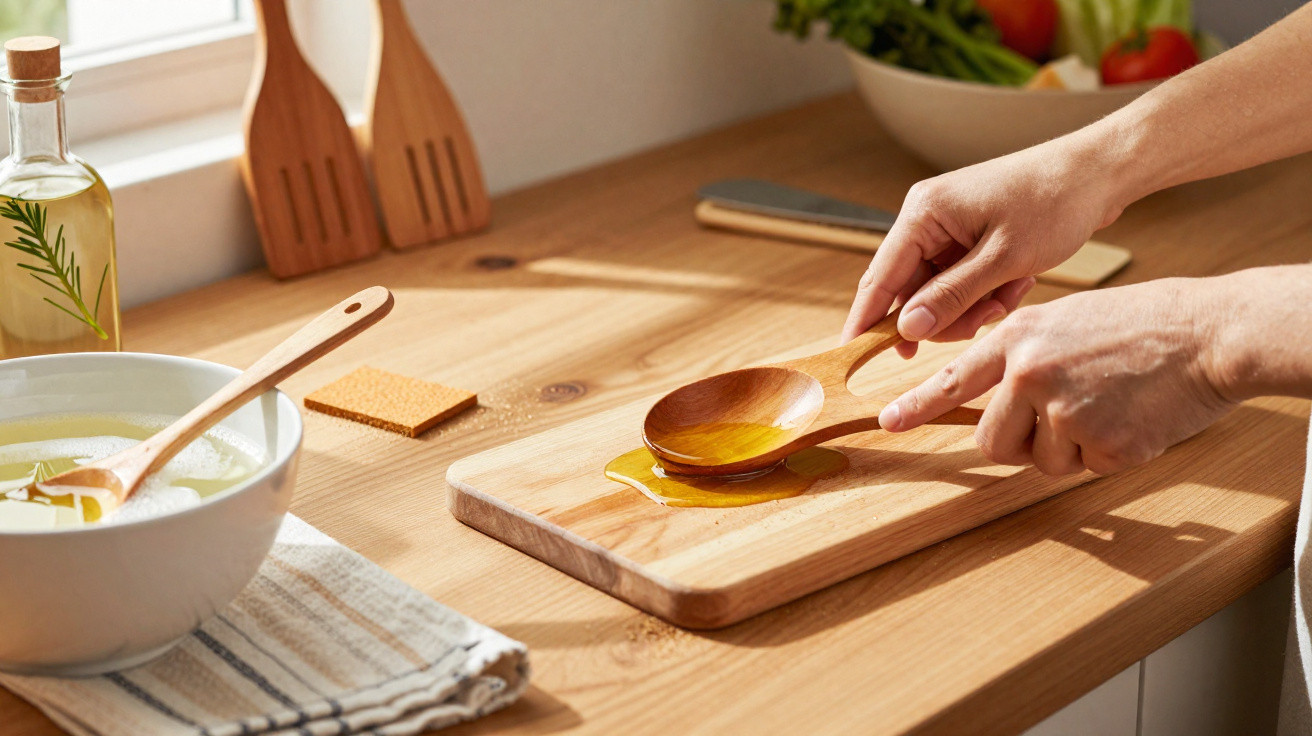
Step 3: A protective layer with vegetable oil
To finish, apply a thin protective film using a suitable oil. The TV expert recommends a neutral, food-safe vegetable oil. Common options include:
- refined sunflower oil
- grapeseed oil
- a dedicated kitchen-safe wood-care oil for utensils (solvent-free)
How to do it:
- Put a few drops of oil onto a clean cloth.
- Rub it evenly into the dry wood, including edges and any grooves.
- After a few minutes, wipe off any excess with a second cloth.
- Leave it to dry overnight before using the utensil again.
Oiling helps repel moisture, reduces rapid drying-out and can make wooden utensils last noticeably longer.
Wood instead of plastic: the health angle matters more and more
Alongside the debate about proper care, criticism of plastic cooking tools continues to grow. A well-known TV doctor issued a clear warning on air about plastic spatulas, spoons and coated kitchen tools. He pointed to a possible link between certain plastic chemicals and hormonal disruption.
He mentioned, for example:
- an increased risk of genital malformations in boys
- earlier puberty in girls
- a rising risk of hormone-dependent cancers such as breast or prostate cancer
His message was unequivocal: anyone who wants a healthier kitchen over the long term should consistently cut down on plastic products-especially those that come into contact with heat and fat.
Wood brings a double benefit here: it contains no plasticisers and it won’t scratch pans. And when exposed to heat, it does not create a melting residue in the way some plastic spatulas can.
How readers can tell when a wooden utensil needs replacing
Even a well-maintained wooden tool will eventually reach the end of its useful life. Waiting too long can create hygiene risks. Typical warning signs include:
- deep, dark grooves that are difficult to remove even with sanding
- cracks that allow liquid to seep in
- a persistent unpleasant smell that remains even after thorough cleaning
- heavily splintered edges or rough, flaking surfaces
If any of these are clearly present, it is safer to put the utensil in the bin. A cheap new wooden spoon is still far less costly than a foodborne infection.
Practical tips for everyday kitchen use
To keep wooden utensils hygienic, a few simple rules of thumb can help:
- Use separate boards for meat, fish and vegetables.
- Never clean wood in the dishwasher-the heat and prolonged washing cycle can be as damaging as boiling.
- After contact with raw meat, wash especially thoroughly with hot water and soap.
- Wipe boards and spoons with a quick vinegar-water rub now and then to neutralise odours.
- Plan a sanding-and-oiling treatment once or twice a year, depending on how heavily they are used.
Especially in family kitchens where cooking happens daily, this routine pays off. The wood stays attractive for longer, and the risk from germs drops significantly.
Why many kitchen rituals should be questioned
The argument over boiling wooden utensils highlights a broader point: few places are as full of persistent myths as the kitchen. From supposed “gran’s hacks” to Instagram trends-not every popular method is actually sensible or safe.
A more critical check can help separate useful advice from noise:
- Who benefits from the tip-real practical value, or just clicks?
- Does it explain how and why it works?
- Are expert views or studies involved, or only personal anecdotes?
When it comes to food safety and hygiene in particular, it is worth verifying claims with reliable sources-for example, consumer advice organisations, hygiene specialists, or reputable medical professionals.
In the end, wood can be highly hygienic, sustainable and safe in the kitchen-when it is treated properly. If you care for spoons, boards and spatulas rather than boiling them, they will serve you for longer, while also reducing the chance of unwanted substances from plastics ending up in your food and your body.


Comments
No comments yet. Be the first to comment!
Leave a Comment