
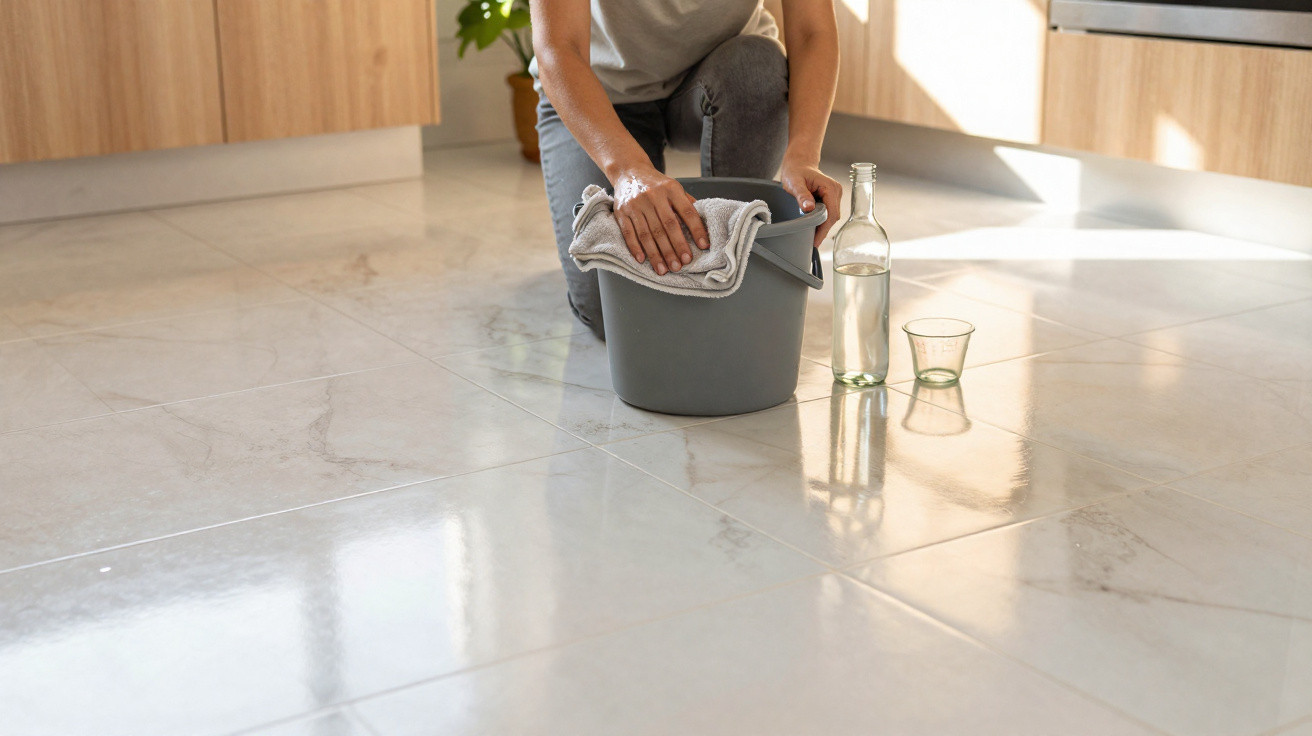
An underrated helper from the kitchen cupboard can bring the shine back in just a few minutes.
Porcelain stoneware is now found in countless kitchens and living rooms across the German-speaking world. It’s hard-wearing, straightforward to maintain, and on paper ideal for busy areas. Yet in day-to-day use, floors often start to look tired surprisingly quickly: streaks, a dull haze, and marks that refuse to shift. That’s when lemon juice, powders and all sorts of improvised mixes end up in the bucket - and over time they can do more harm than many people realise.
Why porcelain stoneware starts looking dull so quickly
Porcelain stoneware and other stone floors have either a glazed finish or an extremely dense surface. It’s tough, but it can be sensitive to repeated exposure to acids and abrasive particles. If you keep trying the next “miracle cleaner”, you gradually alter the surface layer bit by bit.
Common issues readers describe include:
- a grey, dull film left behind after every mop
- grease marks that never disappear completely
- pale streaks where the floor has been cleaned most often
- a sticky feel underfoot even though the floor has just been mopped
The cause is usually not poor hygiene, but the wrong mix in the bucket. Too much acid, too much powder, too much of everything - and repeated again and again. Glazed porcelain stoneware, in particular, can react badly to this sort of trial-and-error.
Lemon and powder: why popular home remedies stress the floor
Many people automatically reach for lemon juice or strong scouring powders because they seem “natural” and effective. The problem is repeated use and guesswork dosing. What begins as a supposedly gentle fix can become a long-term strain.
How the wrong mix damages stone flooring
- Constant acid exposure: Neat or highly concentrated acid can attack the glaze and make it rougher.
- Abrasion: Coarse powders act like sandpaper, especially when you scrub hard.
- Smear layer: Multi-ingredient mixes can leave a sticky or milky residue.
- Unclear dosing: Pouring “by feel” often means using too much - and doing it differently every time.
“Many supposed miracle solutions do clean visibly, but they leave the floor duller and more vulnerable in return.”
This is exactly where professional building cleaners take a different approach: they look for something that cuts grease, supports hygiene, and lifts the appearance of the floor without roughening the surface.
The kitchen-cupboard product professionals swear by
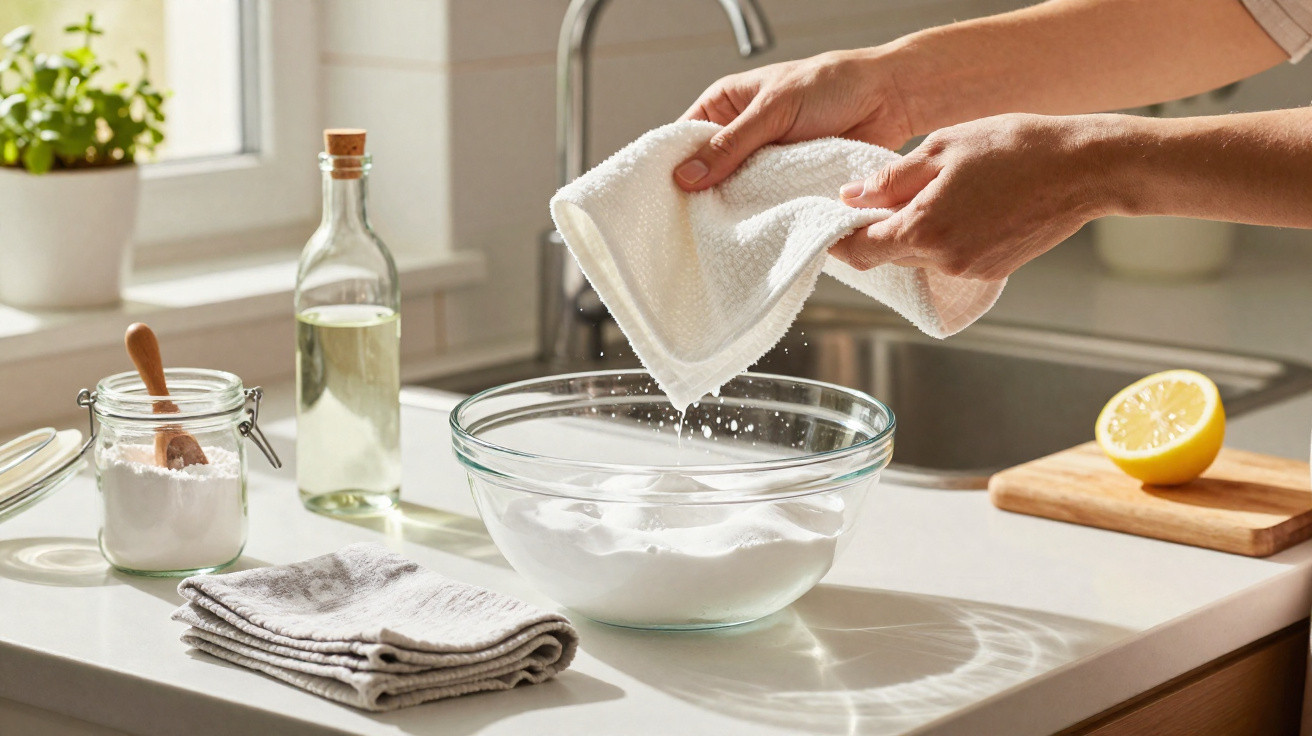
One tip crops up again and again in professional advice: a heavily diluted mix made with clear white vinegar. It’s in most kitchens and, used properly, is far easier to control than neat acid or random powder “cocktails”.
How to mix the solution correctly
Professionals suggest a simple ratio:
- 1 part clear white vinegar
- 3 parts hand-warm water
Pour it into a clean bucket that’s used only for the floor. Hand-warm water helps loosen grease more effectively, while the vinegar supports that action and also helps against germs.
Step-by-step method for shiny porcelain stoneware
- Remove loose dirt first: Vacuum or sweep thoroughly, including grout lines and corners.
- Use microfibre: Dip a microfibre mop or cloth into the mix and wring it out well.
- Mop the area: Work in even passes without “flooding” the surface. Damp, not wet.
- Rinse with clean water: Go over it with a second clean mop and plain water to remove any remaining acidity.
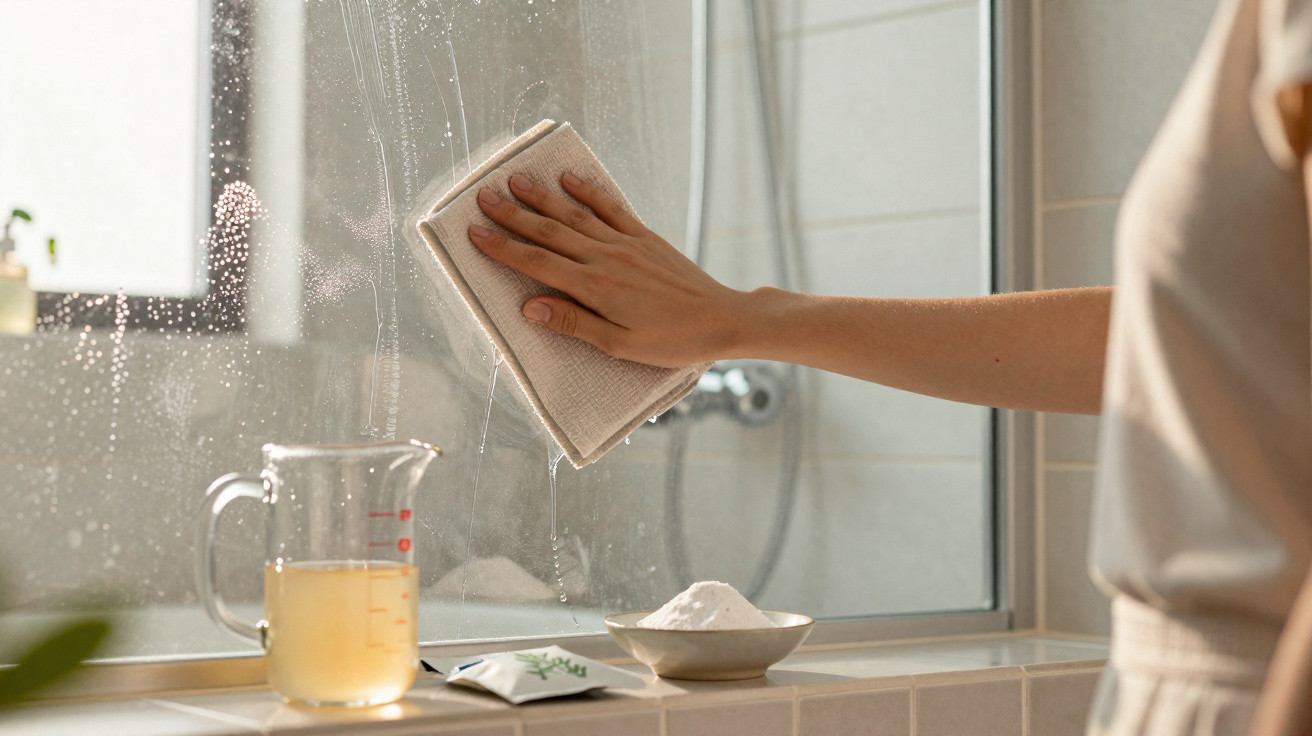
- Dry by hand: Finish by buffing with a dry microfibre cloth or old cotton towels.
“The final step - drying by hand - is the key trick that makes the difference: no droplets, no streaks, visible shine in a short time.”
It may not sound dramatic, but in many homes it delivers what pricey specialist cleaners promise: a clean, fresh-looking floor without a greasy film.
Gentle day-to-day cleaning - without ruining the floor
For routine maintenance, a milder approach is usually enough. Professionals recommend using hand-warm water with a neutral floor cleaner that has no strong fragrance and no added “shine” enhancers each time you mop. That lifts everyday dirt without continuously attacking the surface finish.
Tackling stubborn stains in a targeted way
Rather than drenching the entire room in aggressive products, it’s better to work only where needed:
- Grease marks: Apply a small amount of powder just to the spot, work it in with a soft brush using circular motions, then rinse very thoroughly with water.
- Rust marks: Put a paste of vinegar and a little powder directly on the area, leave for about 15 minutes, then remove with plenty of water - without harsh scrubbing.
The key point: these intensive treatments should be occasional, not weekly. Frequent scrubbing with strong agents noticeably shortens the life of the surface.
How to protect the shine long-term
If you want your stone floor to look good for years, prevention matters most. Anything that doesn’t reach the tiles won’t need heavy cleaning later.
Simple protective measures that make a real difference
- Dirt traps: Doormats outside and inside the front door catch sand and small stones.
- Felt pads: Under chair and table legs, they prevent scratches and fine abrasion marks.
- Avoid puddles: Mop up standing water quickly after cleaning or wet shoes.
- A thin care layer: If you want a visual boost, very occasionally polish in an extremely thin layer of oil or beeswax.
“With a minimal, well-buffed care layer, the floor looks noticeably fresher without becoming slippery or greasy.”
How often can you use vinegar in the bucket?
Many people wonder how regularly the vinegar mix is safe to use. Specialists see it as a useful additional home remedy, not something for daily use. For everyday cleaning, a neutral cleaner is usually sufficient; once or twice a month you can refresh the floor with the diluted vinegar solution, followed by thorough rinsing.
If you live in a hard-water area, there’s an extra benefit: the mix helps reduce limescale streaks, which can be especially visible on dark tiles. The essentials remain the same, though - always rinse well with clean water and dry at the end, otherwise a film can form again.
When is it better to use a professional cleaner?
There are situations where a specialist product makes sense: heavily used entrance areas, older surfaces with lots of micro-cracking, or floors already affected by unsuitable cleaning. In those cases, a targeted cleaner approved for porcelain stoneware can help restore the baseline condition. The kitchen-cupboard solution described above then works best as a gentle add-on, not a cure-all.
One more detail that’s often overlooked is the mop head itself. Microfibre lifts dirt far more effectively than old cotton cloths and usually needs less chemistry. Investing in good-quality pads and washing them hot regularly will improve whatever method you use - and your stone floor will keep its shine for longer.
Comments
No comments yet. Be the first to comment!
Leave a Comment