
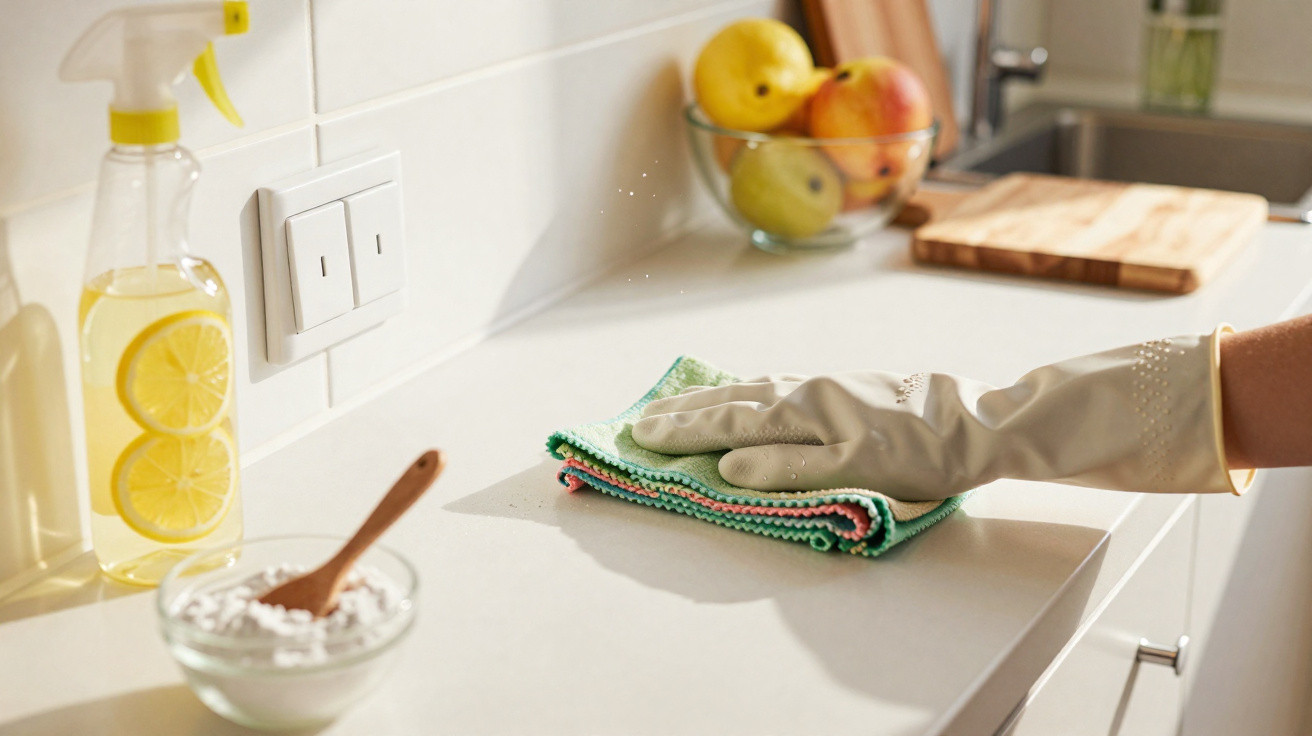
Wiping down the worktop, scrubbing the sink, mopping the floor - for most people, that’s the usual routine. Even so, one spot is almost always overlooked, despite the fact everyone touches it constantly. It’s exactly there that germs, grease and tiny food residues build up, creating an unpleasant mix of bacteria that can easily transfer to hands and then on to food.
The underestimated germ hotspot: the kitchen light switch
Anyone who cooks will recognise the moment: one hand has raw chicken going into the pan, the other darts to the light switch. Or you’ve just chopped vegetables, there’s still a bit of soil on your fingers, and you quickly flick the switch to see better. Each time, you leave traces you can’t see.
The light switch in the kitchen sits right where food preparation and everyday life constantly overlap - and that makes it a hub for germs.
On that smooth surface, tiny particles from raw meat, bits of vegetables, grease and skin cells settle. Bacteria such as E. coli or Salmonella can survive for quite a while on surfaces like these. And a kitchen offers exactly what they like: warmth, a little moisture, airborne grease films and organic residues.
Research into kitchen hygiene shows that frequently touched surfaces can be just as contaminated as a chopping board that has had raw meat on it. The difference is that the chopping board usually gets at least the occasional wash with hot water and washing-up liquid. Hardly anyone cleans a kitchen light switch on purpose.
The more people there are in a household, the faster this cycle of contamination spins. Children grab a snack and turn on the light. Grandparents put the kettle on for tea and touch the same switch. In the evening, cooking starts, hands are only half-clean, and the switch gets used again. That’s how germs travel from raw foods to fingers to switches - and from there back onto freshly washed hands.
Why a weekly clean really makes a difference here
The good news is you don’t need to march around the kitchen every day with disinfectant. In most homes, a consistent weekly clean is enough to noticeably reduce the germ load on the light switch.
More important than the strongest cleaning product is the routine: it’s better to wipe gently but regularly than to do an occasional extreme clean.
Left alone for weeks, layers build up: first grease and dust, then food splashes, fingerprints, then more grease. Microorganisms can lodge themselves in those layers and feel more at home there than on a clean, smooth surface. Wiping once a week removes the foundation for that “living wallpaper”.
Safe and effective: how to clean a kitchen light switch properly
Step-by-step guidance for everyday cleaning
Because it’s an electrical fitting, a light switch needs a bit more care than a worktop. A few basic rules keep things safe:
- Never spray cleaner directly onto the switch
- Only lightly dampen the cloth; don’t use it dripping wet
- Always dry the area thoroughly after cleaning
For day-to-day cleaning, use this approach:
- Lightly dampen a soft microfibre cloth with a mild all-purpose cleaner or a standard disinfectant cleaner.
- Wipe the switch surface and the surrounding frame carefully - and don’t rush; spend a few extra seconds over the same area.
- Use a cotton bud to get into edges and grooves where dirt tends to collect.
- Finish by wiping with a dry cloth until everything is completely dry.
Prefer to avoid chemicals? A simple home mix for the kitchen wall
Many people want to keep harsh chemicals to a minimum around food. In that case, a straightforward 1:1 mix of clear household vinegar and water works well.
How to do it:
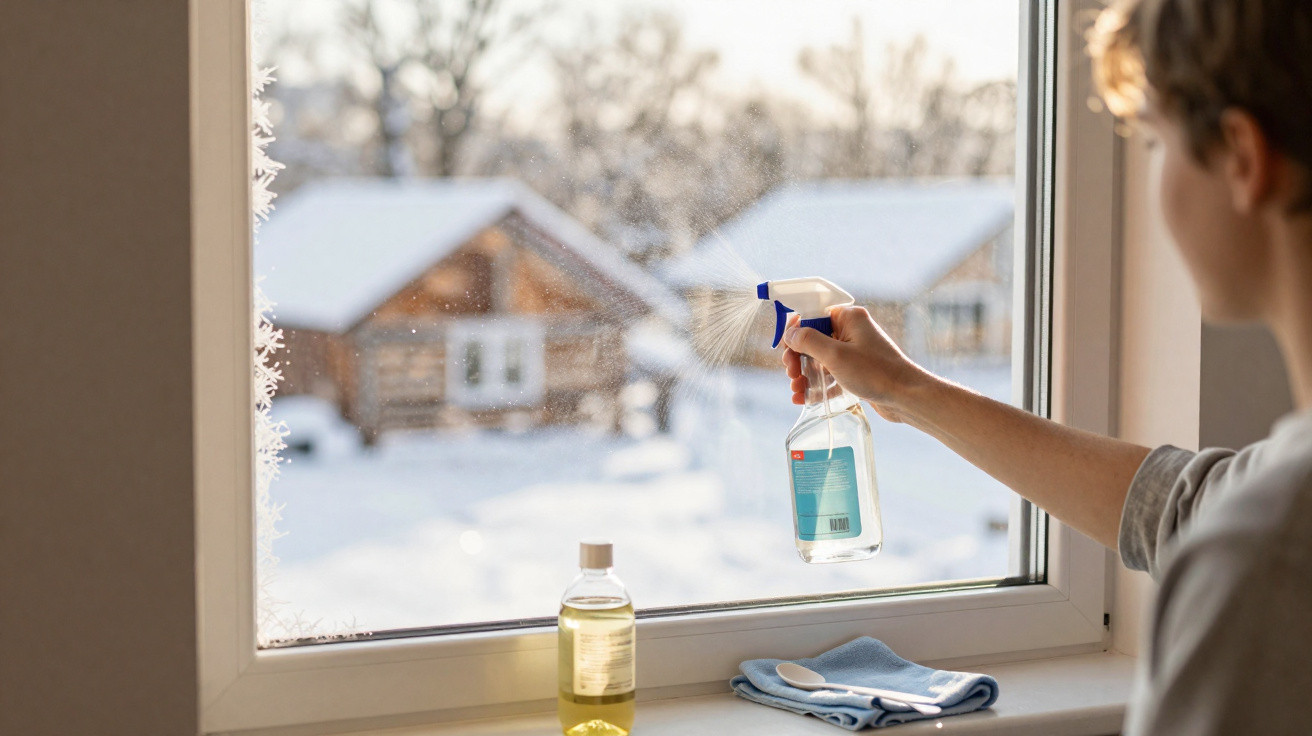
- Put the vinegar-and-water mix into a spray bottle - but don’t spray it straight onto the switch.
- Spray it onto a cloth instead, then wipe the switch.
- Leave it briefly, wipe again, and dry.
Vinegar helps cut through grease and reduces a large proportion of everyday household germs. If a switch is very dirty or sticky, doing a quick first pass with a grease-cutting cleaner can be sensible.
While you’re at it: clean these surfaces at the same time
The best way to stop this new habit fading after a fortnight is to make the kitchen light switch part of a fixed cleaning bundle. Once a week, on the same day, the same touchpoints - every time.
| Area | Why it’s so critical |
|---|---|
| Fridge handles | When people grab food, their hands often aren’t freshly washed. |
| Cupboard knobs and drawer pulls | While cooking, you keep touching these with “working hands”. |
| Tap and lever | A paradoxical spot: hands get clean here, but they arrive dirty first. |
| Microwave control panel | Often pressed during cooking with greasy, sticky fingers. |
| Oven knobs and control strips | Used multiple times a day, often with dough, oil or sauce on hands. |
If you deal with all of these in one go, it usually takes only a few extra minutes - but the hygiene benefit is far more noticeable.
Health implications: who especially benefits from clean switches
In households with small children or older people, these details are particularly worth attention. Children touch everything, put fingers in their mouths, and their immune systems are still developing. Older people, or anyone with existing health conditions, can be more sensitive to germs coming from the kitchen.
When pathogens build up on a high-contact point like the kitchen light switch, the risk of stomach upsets and other complaints increases - even if food is correctly chilled and properly cooked. In that case, the weak point is simply the touch surfaces.
What professional kitchens do differently - and what you can copy at home
In commercial kitchens, wiping switches, handles and buttons is part of the standard schedule, often even several times a day. The principle is clear: germs aren’t only spread via boards and knives, but via anything lots of hands touch.
At home, you can adopt a lighter version of the same idea:
- Choose a fixed “hygiene day” each week, for example Saturday morning.
- Put a short checklist on the fridge with the key high-touch surfaces.
- Involve children in an age-appropriate way - for instance by letting them help dry switches or handles.
Once the ritual becomes normal, you stop having to think about it. The kitchen light switch gets cleaned automatically, rather than being ignored indefinitely.
More than cleaning: adjust habits to break the chain of germs
A clean switch is only part of the picture. Behaviour matters just as much. Washing your hands after touching raw meat or eggs - before you operate the next appliance - breaks entire chains of contamination.
Simple rules help, such as:
- Wash hands thoroughly before cooking - not just a quick rinse.
- Pause briefly before touching the light switch: were your hands just in raw minced meat?
- After cleaning, change cloths or wash them at a high temperature so germs aren’t simply spread around.
If you’re wondering why stomach upsets keep happening despite careful food handling, it’s worth paying more attention to these touchpoints. The cause is often not inside the fridge, but half a metre away - on the small plastic switch everyone uses and hardly anyone cleans.
Comments
No comments yet. Be the first to comment!
Leave a Comment