
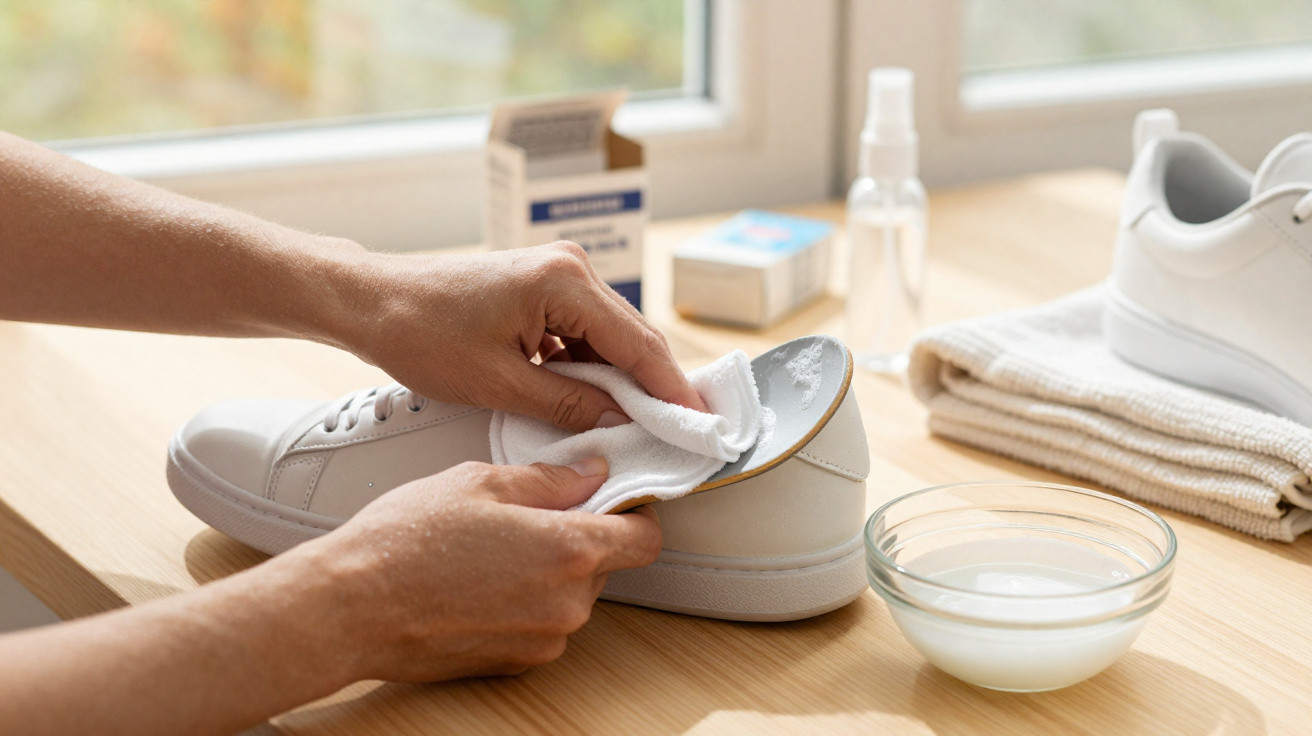
With a few well-chosen steps, you can still keep everything fresh.
Anyone who wears sports shoes, trainers or leather shoes with insoles that are permanently fixed will know the issue: the outside looks polished, while the inside turns into a damp microclimate. Sweat, bacteria and dust build up, odours intensify, and the shoe wears out faster. With the right approach, even non-removable insoles can be cleaned thoroughly without wrecking the shoe.
Why fixed insoles are so tricky
On many shoes, the insole isn’t simply laid in loosely - it’s glued or stitched to the midsole. That helps with stability, but it makes cleaning noticeably more difficult.
Common materials include:
- Foam and memory foam
- Gel cushioning systems
- Textile or microfibre linings
- Leather or faux leather
These materials don’t respond well to too much water, harsh cleaning products or direct heat. If the adhesive loosens or the foam starts to crumble, the shoe is effectively finished.
"The trick is to use as little liquid as possible - while still cleaning and disinfecting thoroughly."
To make matters harder, the insole sits deep inside a closed shoe. Air circulation is poor and moisture takes a long time to evaporate. If you cut corners here, you can end up encouraging mould, bacteria and shoes that stay musty.
Gentle deep clean: how to do it
1. Remove loose dirt first
Before you introduce any water at all, get the inside as clean as possible. That way, you won’t just smear grime around when you wipe.
- Use a soft brush (for example, an old toothbrush) to brush out crumbs and dust
- Pay close attention to seams, grooves and edges
- Optional: quickly vacuum the inside using a narrow nozzle
2. Mix a mild cleaning solution
A very gentle mix of warm water with a little washing-up liquid or a specialist shoe cleaner works best.
- Fill a bowl with lukewarm water
- Stir in just a few drops of washing-up liquid so it barely foams
- Avoid bleach, harsh household cleaners and biological/strong laundry detergents
The more delicate the material (for example, leather), the milder the solution should be.
3. Clean in targeted areas - don’t soak it
At this stage, you’re wiping, not pouring:
- Dip a microfibre cloth or soft sponge into the solution
- Wring it out very thoroughly; it should be damp, not dripping
- Wipe the insole using small circular motions
- Spend a little longer on heavily soiled patches
Afterwards, take a second cloth dampened with clean water and wipe away any soap residue. Then immediately blot moisture from the insole using kitchen roll or a dry cotton cloth.
"The drier the cloth, the more reliably the shoe’s structure stays intact - the aim is a damp surface, not a wet shoe."
Home remedies for odours and stubborn marks
Baking powder and bicarbonate of soda: kitchen odour busters
For smells and mild discolouration, a paste made from baking powder or bicarbonate of soda with a little water can help.
- Mix 1–2 teaspoons of powder with a few drops of water into a paste
- Apply only to the affected areas of the insole
- Leave for around 15 minutes
- Wipe off carefully with a damp cloth
- Pat any remaining moisture dry
Bicarbonate of soda neutralises odours, has a mild abrasive effect, and is far gentler on materials than scouring cleaners.
Disinfection and odour control: alcohol and vinegar
If you want to cut down germs, you can use alcohol or diluted household vinegar. The key is to use them sparingly - never pour them directly into the shoe.
| Solution | Best for | How to use | Typical drying time |
|---|---|---|---|
| Mild soapy water | Basic clean | Apply locally with a damp cloth | 24–48 hours |
| Bicarbonate of soda or baking powder paste | Marks, strong odours | Apply directly, leave briefly, wipe off | 12–24 hours |
| Rubbing alcohol (diluted with water) | Disinfection | Rub on with a cloth or mist lightly | 6–12 hours |
| Diluted household vinegar | Reducing odours | Lightly mist, do not soak | 12–24 hours |
If you have asthma, very sensitive skin, or small children at home, make sure you ventilate well when using alcohol or vinegar, and only wear the shoes once the smell has completely gone.
Drying without damage: how to avoid moisture-related problems
The drying stage determines whether the shoe stays in good condition for the long term or deteriorates quickly. A common mistake is placing shoes on a radiator or blasting them with a hairdryer. It may save time, but it often breaks down adhesives and can cause foam to shrink or crumble.
Dry gently - step by step
- Put the shoes in an airy place at room temperature
- Stuff the inside with newspaper or kitchen roll
- Replace the paper several times during the first few hours
- Optional: use a fan or keep a window open
"The slower and more evenly the shoe dries, the better its shape, cushioning and adhesive are preserved."
In warm, humid homes, a dehumidifier can help. Place the shoes nearby, but not directly in front of it. If the insoles are very damp, drying can take two days. If you put them back on too soon, you risk bacterial growth and shoes that keep smelling stale.
How to prevent odour and manage quick in-between cleans
A daily mini routine after wearing
A few simple habits can noticeably reduce odours and increase the time between proper cleans:
- After taking them off, don’t put shoes straight into a cupboard; let them air out in the open
- Loosen the laces briefly so more air can reach the insole
- Use cedarwood shoe trees regularly - they absorb moisture and help smooth the upper
If you sweat heavily, you can apply a light shoe powder after sport. Products with tea tree oil, eucalyptus or other naturally anti-fungal ingredients can inhibit bacteria without being harsh on the materials.
Rotate shoes instead of wearing the same pair daily
One often-overlooked tip is to avoid wearing the same pair every day. If you rotate between two or three pairs, each shoe gets a 24-hour break, allowing moisture in the insole to evaporate fully.
That offers several benefits:
- far less odour
- lower risk of athlete’s foot
- materials crack more slowly and cushioning lasts longer
When it becomes serious and you should rethink
Sometimes an insole is so damaged or mouldy that even thorough cleaning won’t do much. Common warning signs include:
- black or green marks in the material that won’t come out
- foam that feels soft and crumbly when pressed
- a sharp smell that returns quickly even after cleaning
- adhesive visibly coming away, or the insole forming wrinkles
In these situations, the shoe can become a health risk - especially for people with sensitive skin, diabetes, or existing foot problems. At that point, it’s worth seeing a cobbler or, if nothing can be salvaged, replacing the pair.
Practical everyday tips for shoes with fixed insoles
If you exercise regularly or spend long hours standing at work, small behaviour changes can make a big difference. Performance socks with good moisture absorption can noticeably reduce how much sweat ends up inside the shoe. Socks made from wool or specialised synthetic fibres wick moisture away faster than pure cotton.
If you wear trainers without socks, consider using antibacterial foot sprays, and quickly wash and dry your feet before putting the shoes on. That reduces the amount of bacteria transferred into the shoe, which later causes odour.
Your choice of shoe also matters. Styles with breathable uppers, decent ventilation and built-in anti-odour technologies stay fresher for longer, even when the insole is fixed in place. If you sweat a lot, it can be worth asking specifically for these features when buying your next pair.
Comments
No comments yet. Be the first to comment!
Leave a Comment