
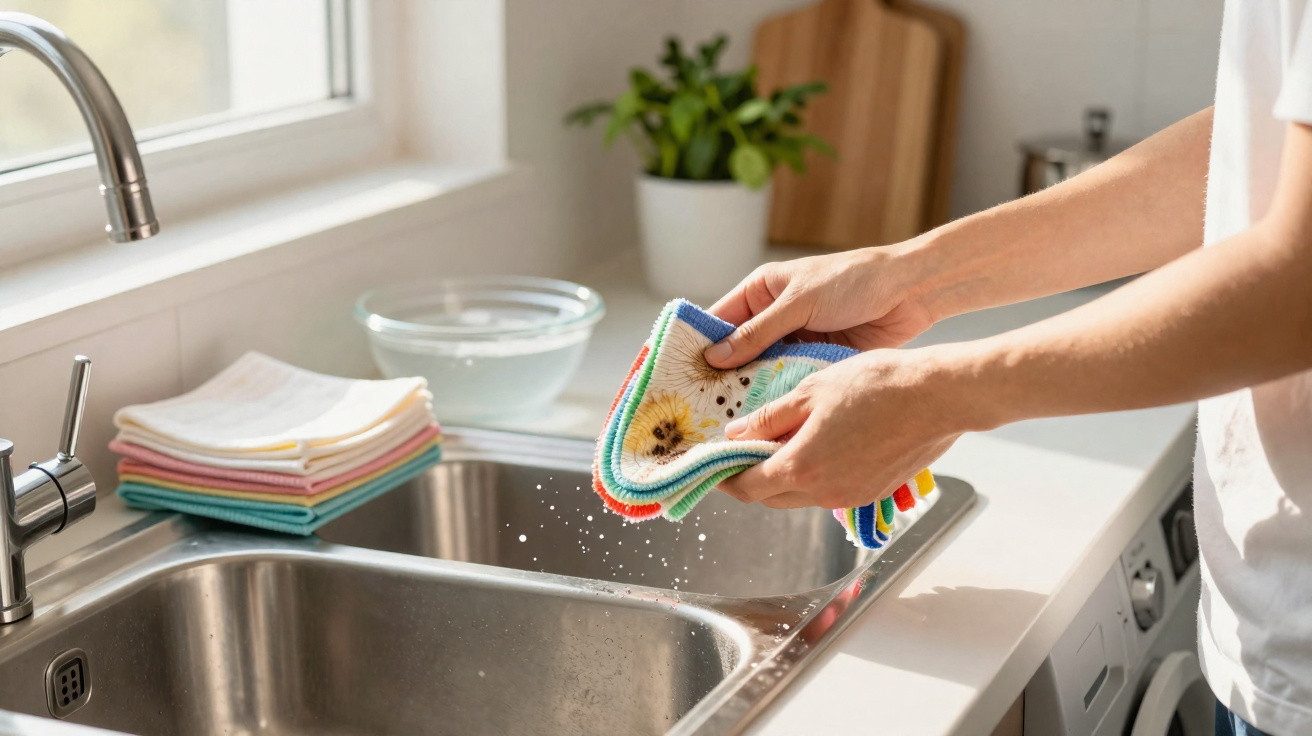
Worktop wiped, floor mopped, dishes put away - and yet a large share of germs still ends up exactly where you least expect them. One everyday item that almost everyone handles constantly turns out to be an ideal hang-out for bacteria, precisely because it gets used so often and for so many different jobs.
The hidden germ magnet by the sink
This is about the classic kitchen towel. The same cloth that quickly dries your hands, then buffs up glasses, then wipes a splash of sauce, and finally gets swiped across the table. One single piece of fabric often does everything - and in the process, it collects everything a kitchen produces.
That combination is what makes kitchen towels so risky: moisture, warmth and tiny food residues create perfect conditions for bacteria. Many people are meticulous about a spotless fridge or swapping out sponges, but leave this particular textile hanging around for days.
"A kitchen towel that stays damp and is used for multiple purposes quickly becomes a real reservoir for bacteria - even if the kitchen looks clean."
What studies show about kitchen towels
One study examining household kitchen towels reported alarming results: almost half of the towels tested were contaminated with germs. Particularly noticeable were groups of bacteria typically associated with the gut, the skin and spoiled food.
Among the organisms detected were, for example:
- Coliform bacteria from the intestinal tract
- Enterococcus faecium, often linked with faecally contaminated surfaces
- Staphylococcus aureus, a common skin germ that can trigger infections
Many of these microbes are classic causes of stomach upsets or food poisoning. The risk increases when one towel is expected to handle as many tasks as possible. Then microbes can travel from raw meat to hands and on to a “clean” plate.
Small cause, big risk in the kitchen
A typical scenario: someone quickly dabs up leaking juices from raw chicken with the kitchen towel. Later, the same towel dries hands, and then polishes a child’s cup. Bacteria from the raw meat can end up straight at children’s mouths - with nobody thinking there’s any danger.
Specialists in hygiene and dermatology warn about exactly these “silent transmission routes”. People with sensitive immune systems, older adults, pregnant women and young children are particularly vulnerable to germs that could be avoided easily in day-to-day life.
"Kitchen towels and sponges are among the biggest drivers of so-called cross-contamination - germs jump from one surface to the next, often without anyone noticing."
How often kitchen towels really need washing
When it comes to kitchen towels, there’s a big gap between guidance and what actually happens. Many households change towels based on instinct - when they look dirty or start to smell. Professionals recommend a much tighter routine.
A practical guide for everyday use
- Heavily used multi-purpose towel: for hands, dishes, surfaces - ideally change every 2 days, at most every 3 days.
- Household washing up by hand after every meal: into the machine every 2 to 3 days.
- Household with a dishwasher, towel mainly for hands: up to once per week is possible if it dries properly and doesn’t touch raw foods.
- Families with children, pregnant women or older people: better to stick to 2 to 3 days.
- Change immediately: after contact with raw meat, raw eggs, dropped food, or a stomach bug in the household.
As a rule of thumb: if a towel stays damp for long periods, develops an unpleasant smell, or shows visible stains, it belongs in the wash - regardless of the date.
How to get kitchen towels genuinely clean
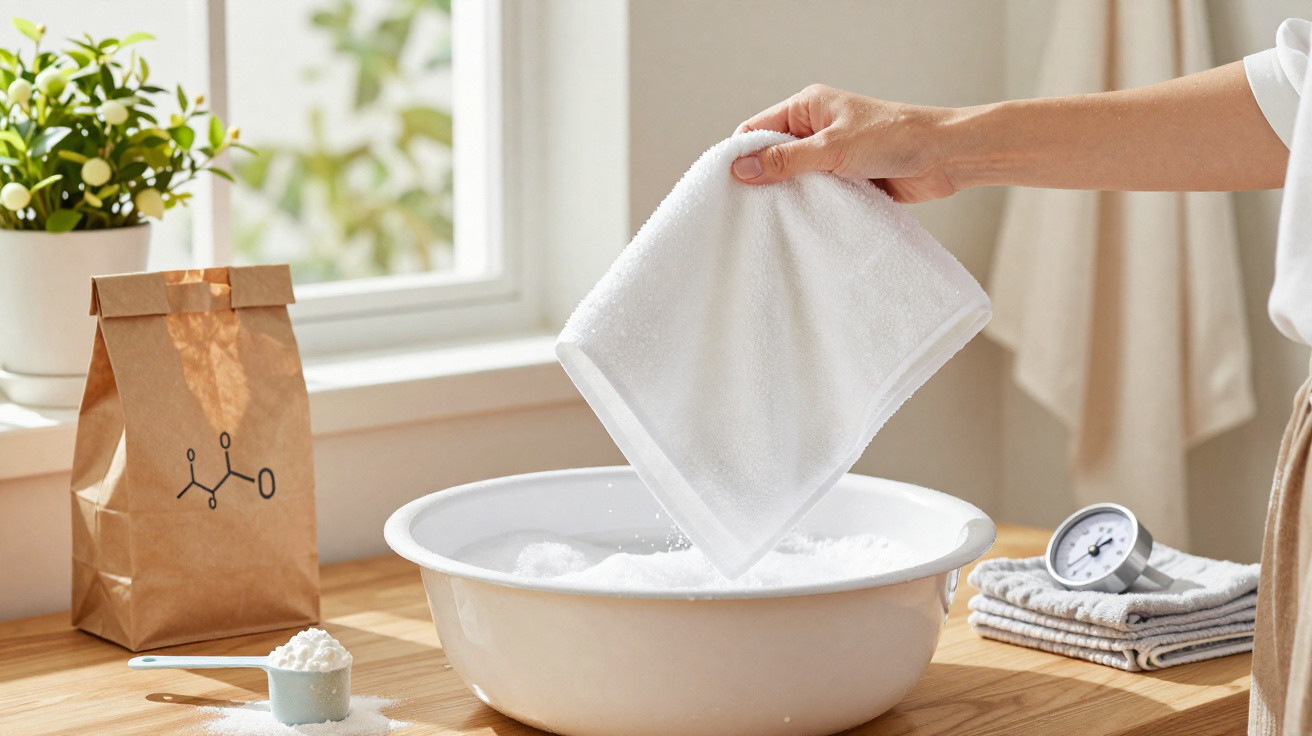
A quick rinse and leaving it on the radiator is not enough. Plenty of germs survive that kind of fast routine with no trouble. If you want to cut bacterial load properly, you need heat, detergent and time.
Recommended washing settings
| Step | Recommendation |
|---|---|
| Wash temperature | At least 60 °C, occasionally 90 °C for a “hygiene reset” |
| Programme | Cottons or coloureds cycle with a longer run time |
| Detergent | Standard biological/non-biological or colour detergent, not under-dosed |
| Add-ons | A little household vinegar in the rinse can reduce odours and germs |
| Drying | Spin well and let it dry completely, ideally laid out |
If towels come out of the wash only to be hung back by the sink scrunched up and still damp, the cycle starts again. That’s why drying is almost as important as the wash itself.
Organisation: one towel for everything? A bad idea
A small change can make a big difference: separate kitchen towels by what they’re used for. This makes it harder for germs to leap from one area to another.
A sensible split for daily use
- Towel 1: dishes and glasses only
- Towel 2: hands only
- Towel 3: worktops and table only
Different colours or patterns help you keep track. Having three to six towels per category in the cupboard makes quick changes easy - without having to run the washing machine constantly. If storage space is tight, thinner cotton towels can help because they dry faster.
"A small stock of kitchen towels reduces stress and also raises the hygiene standard across the whole kitchen."
Warning signs you shouldn’t ignore
Some signals make it clear a kitchen towel has done its time. Paying attention to them helps you avoid common germ traps.
- The towel stays clammy even though it’s hanging up.
- A musty, slightly “damp” smell appears.
- Stains from meat juices, eggs or dairy products are visible.
- The towel feels greasy or slimy.
In all of these cases, the towel shouldn’t be used “just one more time”. Put it straight in the wash and replace it with a fresh one.
Why certain germs in kitchen towels are particularly risky
Many of the bacteria found come from areas where strict hygiene matters most - such as the gut or raw animal products. If they reach ready-to-eat food via towels, there is a genuine risk of foodborne infection. Typical symptoms include diarrhoea, stomach cramps, nausea or fever.
Especially in warm summer weather, germs multiply far more quickly in damp textiles. Just a few hours can turn a lightly contaminated towel into a significant source of bacteria. People with underlying health conditions or weakened immune systems are often hit harder than healthy adults.
Practical tips for a more hygienic kitchen routine
If you want to keep effort low, a few simple habits go a long way:
- Put out a fresh towel when cooking and swap it out straight after eating.
- Always hang towels so air can reach them from all sides.
- Wash a batch regularly as a backup, rather than waiting until there are no clean towels left.
- If someone in the household is ill, change towels more often and wash them hotter.
Paper towels can also be useful in specific moments - for example when blotting up meat juices or cleaning after contact with raw eggs. They can complement cloth towels, but they don’t fully replace them.
By building these simple rules into your routine, kitchen hygiene improves noticeably - without launching into major cleaning sessions. Keeping a few extra kitchen towels in the cupboard and switching them more strictly is often enough to turn an unassuming bacteria hotspot back into a reliable helper.
Comments
No comments yet. Be the first to comment!
Leave a Comment