
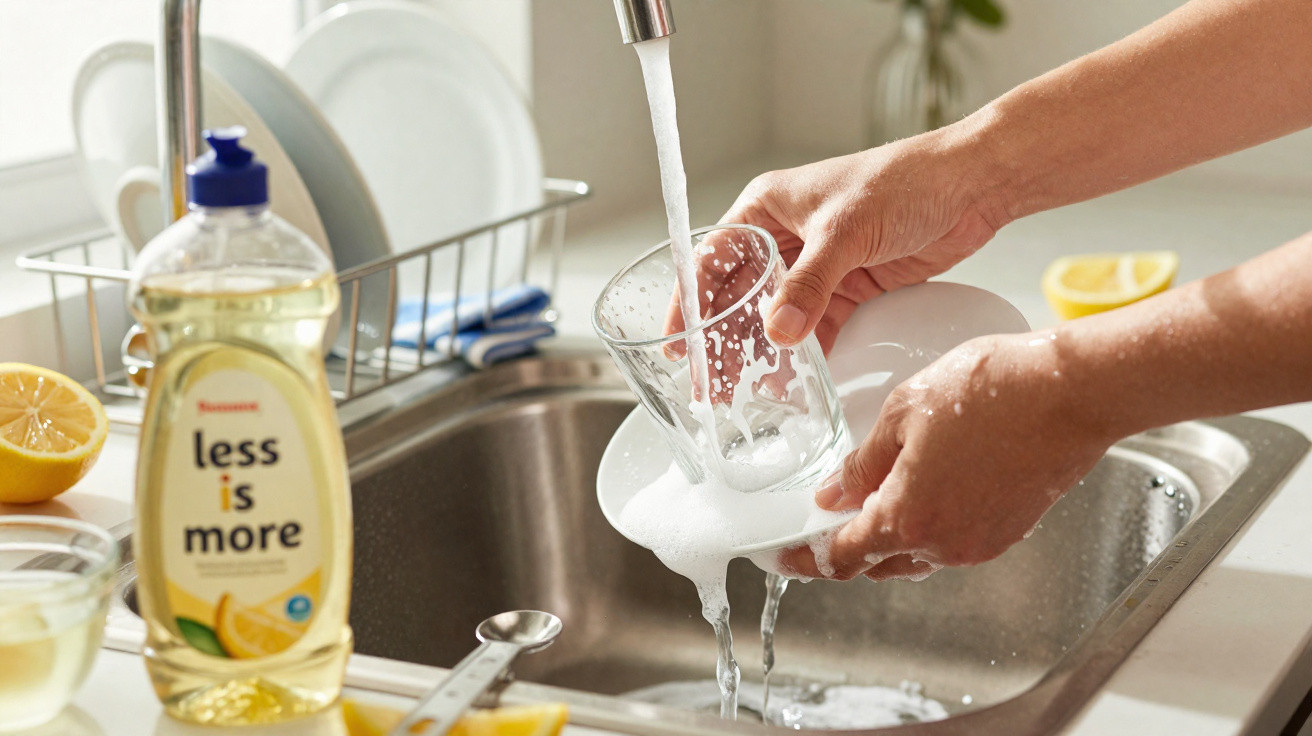
The more stubbornly the plate resisted looking clean, the harder the bottle was squeezed. A vivid green stream of “ultra degreaser” poured across the sponge, while a sharp lemon scent swept through the kitchen like a chemical storm.
Initially, it was oddly satisfying. Foam seemed to signal strength. Foam suggested, “this time it’s really clean”. But then the water became lukewarm, the plates remained slightly greasy, and the sponge turned into a slippery lump that merely shifted grime about rather than removing it. The more washing-up liquid was used, the less dirt appeared to disappear.
Faced with a sink of cloudy water and partly clean glasses, an unusual thought arose: perhaps the issue was not using too little product… but using too much.
When more soap quietly makes things dirtier
The instinct is nearly universal: when something still does not appear clean, add more soap. It seems sensible, almost virtuous, as though it means “doing the job properly”. Using only a small drop can feel miserly, as if you are cutting corners on hygiene.
What happens on the surface, however, tells another tale. Dense foam holds crumbs and grease before allowing them to drift through a milky pool. Rather than being rinsed away, the debris travels from the dirty plate to the supposedly clean one. You spend twice as long rinsing and still cannot entirely trust the results.
Beneath the tap, the battle is no longer dirt against soap. It is soap against water - and water is losing.
Professional cleaners encounter this regularly. One cleaner working in a Paris hotel kitchen describes plates leaving the machine with a cloudy finish. Staff instinctively add extra detergent to the tank. The outcome? More streaks on the glasses, alongside guests saying the water “tastes funny”.
A US study of household cleaning habits found that many people use two to three times the advised quantity of washing-up liquid and laundry detergent. Machines then find it difficult to rinse effectively. Towels emerge “soft but sticky”, so they collect extra dust and odours over the course of the day.
Bathroom floors reveal the same issue differently. A bucket containing heavily soapy water can leave the floor gleaming for several hours. Soon afterwards, though, a tacky layer can be felt under bare feet. That layer is not dirt in itself: it is leftover product gradually gathering every particle of dust that goes by.
Soap and detergents function by enclosing grease and particles so water can take them away. If there is too much product for the available water and scrubbing, that balance fails. Rather than surrounding grime, the surfactants begin to create layers across surfaces.
Your sponge or cloth then becomes overloaded. The visible foam is no longer active foam; it is exhausted foam. It glides rather than scrubs. Less dirt reaches the drain, while more residue stays behind on the surface. Because that residue is slightly sticky, fresh grime adheres more quickly. You may think your home becomes dirty “so quickly”, when you have actually made the ideal velcro for dust.
In the wash, excessive soap leaves microscopic coatings on fibres. These films retain body oils and odours, and may irritate skin. Clothes consequently seem to require more detergent and hotter water to “smell clean”, perpetuating the cycle. Cleanliness becomes a feeling rather than a fact.
How to use less soap and get a cleaner result
The most effective adjustment is frustratingly straightforward: begin with water and friction rather than product. For washing up, first scrape off food and give items a quick rinse under hot water. Next, put a pea-sized amount of washing-up liquid on a properly wrung-out sponge or brush instead of applying it straight to the plate.
Clean in small batches rather than filling the sink with everything at once. If the foam on the sponge becomes dense and grey, rinse the sponge thoroughly instead of layering more detergent over it. A light, creamy lather cleans more effectively than huge piles of bubbles.
Try one “minimalist” wash-up: use half your normal amount of soap, with the same sink and the same amount of time. Notice how quickly the rinse water remains clear. The real surprise is how little product is needed once the sponge is doing the practical work.
The everyday danger is the extra “just in case” squeeze. Perhaps the washing looks especially dirty, a pan is badly burnt, or the bathroom has an odd smell. Your hand automatically adds a little extra, then a little more. We mistake quantity for effort.
On a difficult cleaning day, it is easy to think, “If I don’t see tons of foam, nothing is happening.” Marketing has encouraged that belief for decades through images of excessive, fluffy bubbles. However, many modern products are formulated to work with low suds, particularly in washing machines and dishwashers.
Let us be honest: nobody follows the cap measurement precisely for every wash. Even so, the small line on the bottle comes from testing, not penny-pinching. It is often the ideal point between sufficient surfactant to loosen grime and enough water to rinse it away properly.
A cleaning trainer who works with restaurant teams put it this way during a workshop:
“If you can smell the product strongly and feel a film when you slide your fingers, you’re not ‘extra clean’ - you’re coated.”
That remark changes the way you feel your own home. You begin checking a glass after it has been rinsed. You spot whether the shower floor feels slightly slippery before stepping onto it. You listen for the sticky drag of a cloth that catches rather than glides.
- Use a measuring cup or an old spoon once to understand what the “recommended dose” actually looks like in your hand.
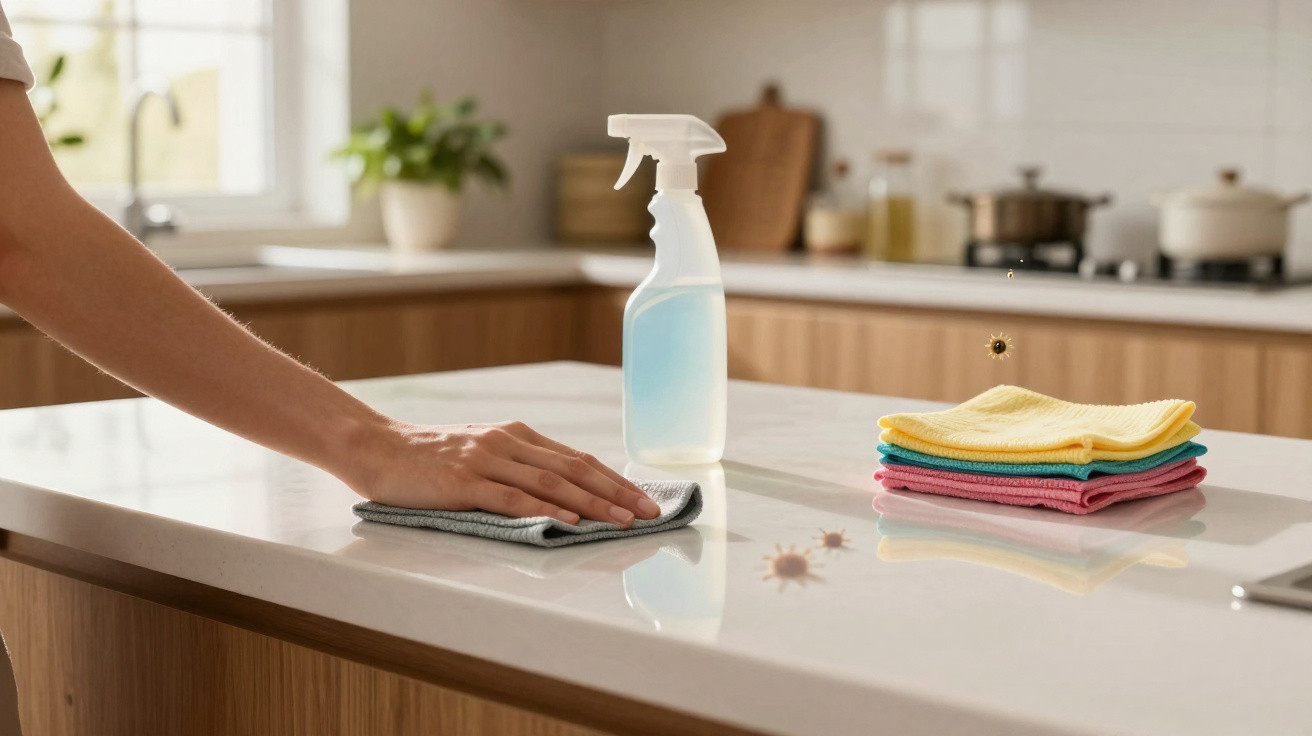
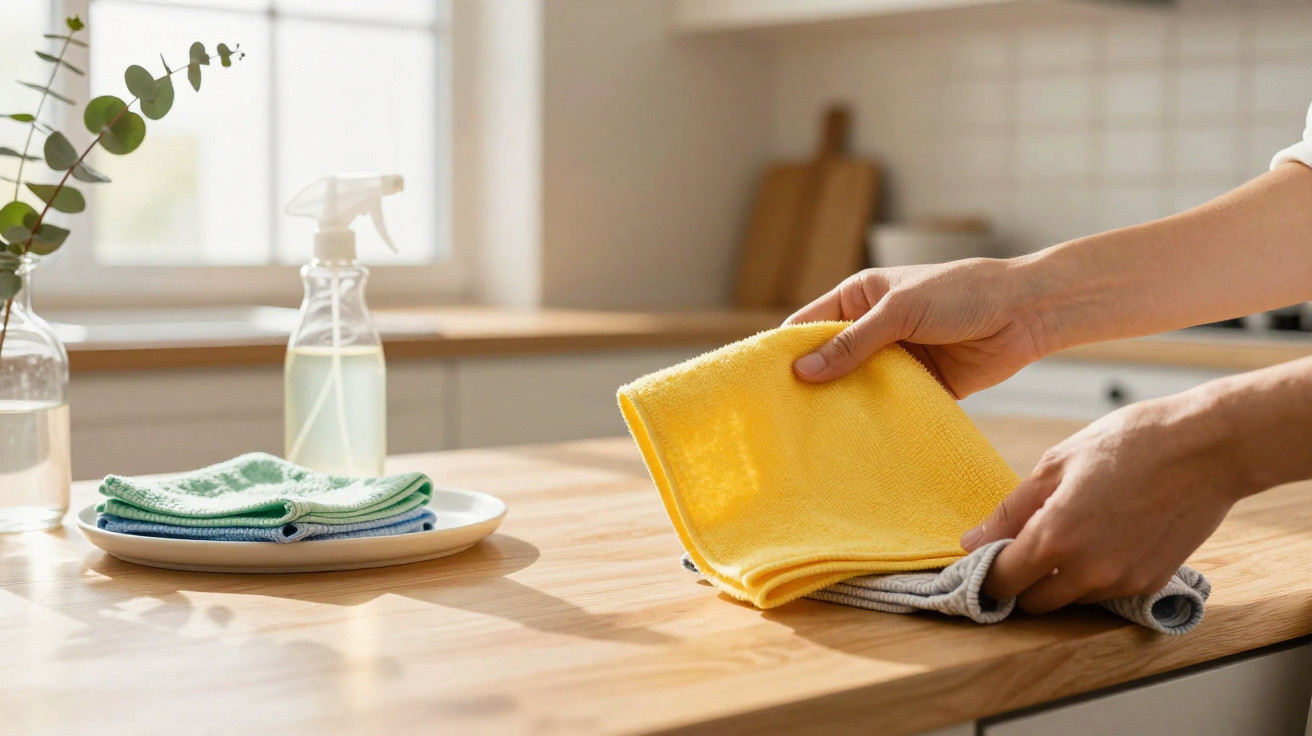
- Replace product with a microfibre cloth and plain hot water for at least one task, and notice the difference that friction makes.
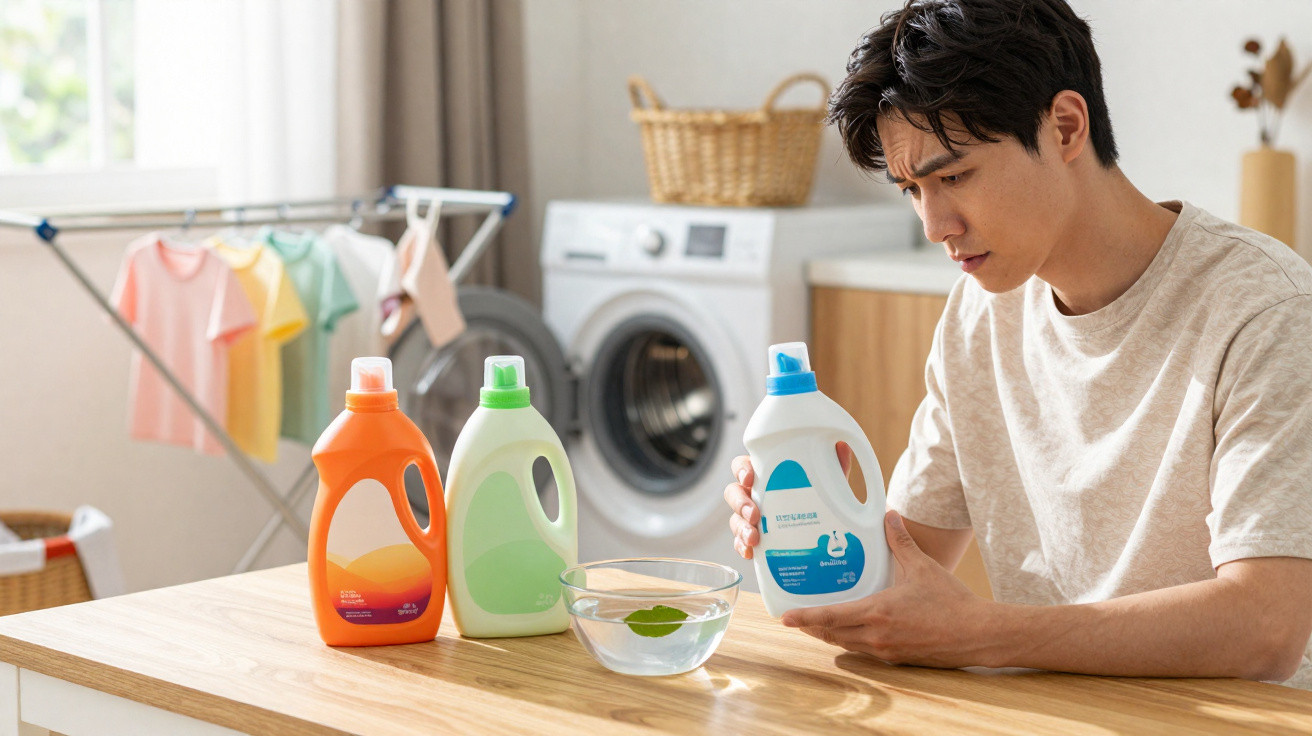
- Try using 30% less laundry detergent for a week; if clothes look and smell unchanged, that amount can become your new normal.
- Rinse sponges and cloths for longer than seems necessary, until the water runs completely clear.
Rethinking what “clean” actually looks and feels like
For a long time, cleanliness has been marketed as a scent and a sensation: lemon fragrance, thick foam and ultra-soft surfaces. Once you move beyond that image, something quieter becomes apparent. Properly clean surfaces usually have almost no smell. They give a faint squeak beneath your fingers and leave nothing behind on a white cloth.
On a relaxed Sunday, try a simple comparison with a friend or partner. Wash two glasses: use your normal amount of product for one and exactly half that amount for the other. Rinse both carefully and leave them to dry. Run a finger around the inside and hold them up to the light. The slight, almost unseen difference in clarity reveals a wider story about residue that usually goes unnoticed.
Psychologically, reducing soap can feel wrong initially - almost careless. Practically, it can alter your routines. Less foam means less time spent rinsing, less dry skin in winter, fewer blocked washing machines, fewer marks on mirrors and fewer unexplained skin irritations in children who touch everything.
There is also an emotional side to it. We have all experienced a home that looks spotless but still feels stifling, as though the air itself is chemical. Using fewer products allows your nose to pick up other scents again: coffee, wood and clean laundry dried in fresh air. That change alone can reshape how your own space feels.
There is a modest environmental benefit too. Every unnecessary squeeze of detergent goes somewhere after leaving your sink: into rivers, treatment plants and the sea. Using the appropriate amount is not heroic environmental activism. It is simply a calmer habit, repeated hundreds of times each year, that quietly matters.
Next time a stubborn stain makes you want to add more soap, try the reverse response. Rinse it, scrub for longer, and perhaps use hotter water or a better tool. Let the product assist rather than take centre stage. If passing on this small adjustment saves your friends a few pounds, a few rashes and a few hours of needless rinsing, it could be the most satisfying clean of all.
| Key point | Details | Why it matters to readers |
|---|---|---|
| Foam is not a measure of cleaning power | Products that create lots of foam may look impressive while reducing friction and holding dirt in thick suds that do not properly leave the surface. | Helps you avoid spending money on “more bubbles” and focus instead on methods that genuinely remove grime. |
| Over-soaping leaves sticky residue | Too much detergent creates thin films on dishes, floors, clothes and skin, which then attract dust, bacteria and odours more quickly. | Shows why items can seem dirty “again” so soon, and why some homes never feel genuinely fresh. |
| Right dose = less rinsing, better results | Following the manufacturer’s recommended dose, with enough water and contact time, generally cleans more thoroughly while requiring shorter rinse times. | Saves time, protects appliances and skin, and reduces cleaning costs without compromising hygiene. |
FAQ
- Can too much washing-up liquid really leave my plates less clean? Yes. If water is overloaded with detergent, it cannot rinse efficiently. Soap residue combined with tiny food particles may dry onto plates and glasses, leaving a faintly greasy feel or a cloudy film.
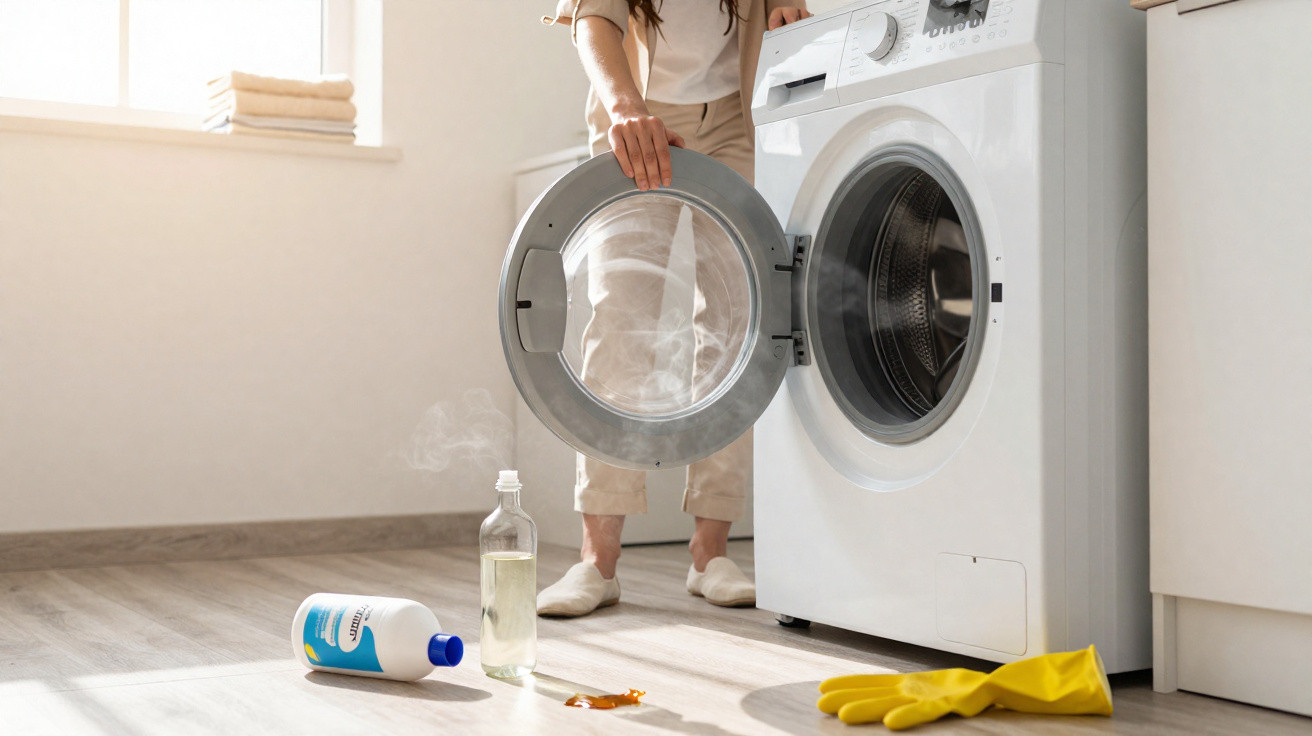
- How do I know I’m using too much laundry detergent? You are probably overdosing if clothes feel stiff or “waxy”, the washing machine door seal feels slimy, or suds are visible in the final rinse. A straightforward test is to reduce the dose by 25–50% for a few washes.
- Does using less soap make cleaning less hygienic? Not if you make up for it with adequate contact time, hot water where possible and effective tools such as brushes or microfibre cloths. Hygiene relies more on removing grime and rinsing well than on covering surfaces in chemicals.
- Are “low-suds” products really effective? Yes. They are deliberately designed this way, especially for modern washing machines and dishwashers. Low foam does not mean low power; it generally means the formula can rinse cleanly without producing excessive bubbles.
- What’s a quick rule of thumb for the right amount of product? For handwashing dishes, use a pea-sized amount on a sponge rather than a full stripe. For laundry, begin at the lowest cap mark for ordinary loads and increase only if clothes still look or smell unclean after several cycles.
Comments
No comments yet. Be the first to comment!
Leave a Comment