

We have all had that moment: you scrub, scour and put everything away… then, two days later, the house already looks tired again.
Marks reappear on the tiles, the bathroom seems ‘faded’ already, and the grout starts turning black. You begin to wonder whether you are doing something wrong - or simply cleaning too often.
The other day, I visited a friend who works 50 hours a week and was struck by the calm cleanliness of her flat. There was no harsh chemical smell, no basket crammed with products, just clean surfaces that did not look as if they had been scrubbed moments before. When I asked her what her secret was, she laughed: “I stopped cleaning all the time.”
At first, it sounded almost provocative. Then she explained her reversed routine: some jobs happen less often, but are done properly and at a precise time. It is the sort of detail that changes everything without you seeing it coming.
Why some cleaning works better when you do it less
Most people assume that the more they clean, the cleaner their home will be. On paper, that makes sense. In real life, though, repeating certain jobs too often makes them less effective. Products do not get enough time to work, surfaces wear down, you become exhausted and eventually start cutting corners.
People rarely talk about the mental strain of living in a home that is ‘always being cleaned’. It is that vague sense of falling behind, even when the sink is gleaming. When a routine is too frequent, you switch to autopilot: a quick wipe, no time left for the product to sit, no real look at what needs attention. The surface appears clean, while deeper grime keeps building up.
Professional cleaners understand this well: some tasks benefit from being spaced out. Not neglected - spaced out. The gap between cleans allows products to do their job, materials to ‘breathe’, and your mind to stop linking every spare minute with a sponge. This is not letting things slide; it is a strategy. It is a routine that respects both the home and the people living in it.
A British study into household habits found that homes where people clean ‘a bit of everything, all the time’ spend more hours maintaining their interiors, yet perceive almost the same level of dirt as those following a more spaced-out, targeted routine. In practical terms, they keep repeating the same minor actions without addressing the areas that are genuinely problematic.
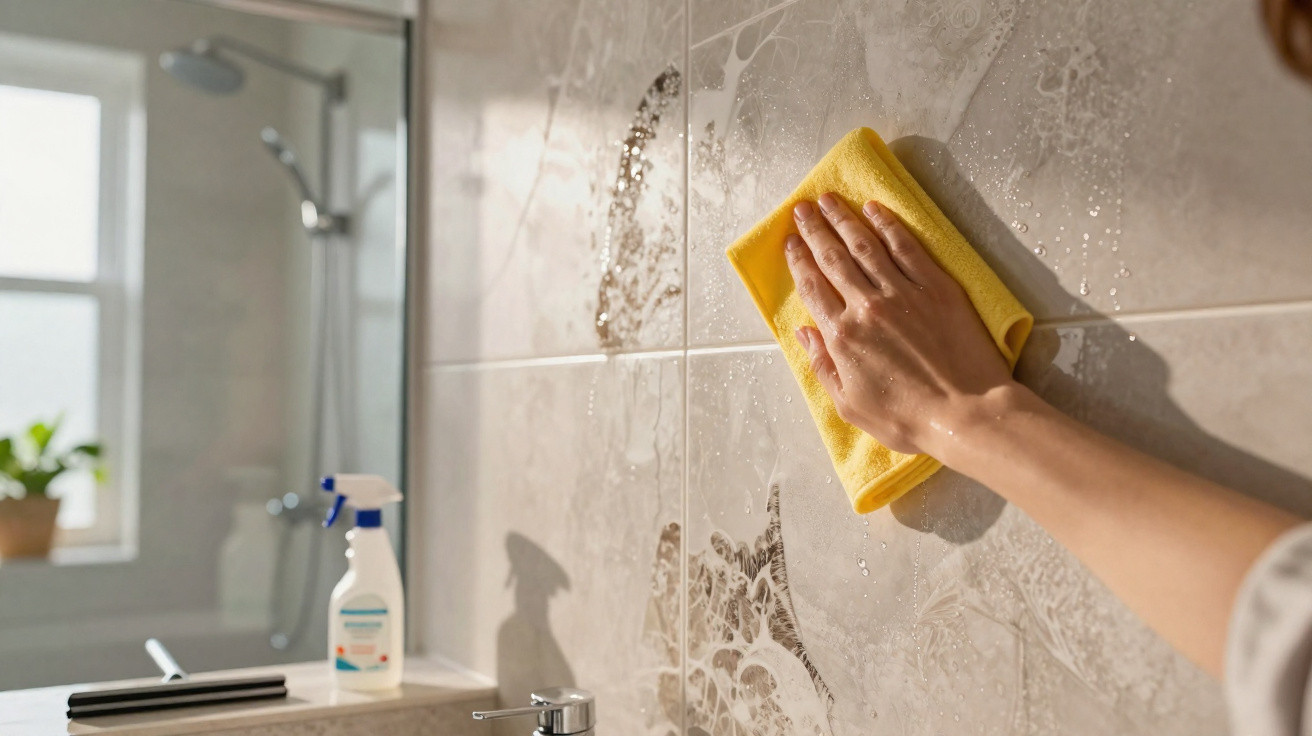
Picture two neighbours with identical bathrooms. The first scrubs their shower every two days for three minutes, using a product that is rinsed off the moment it touches the shower screen. The second leaves a mild cleaner to work for 10 minutes once a week, then simply uses a squeegee. After a month, the person doing the job ‘less often’ has clearer shower panels, fewer limescale marks and less backache.
The reason is straightforward: some cleaners are designed to work over time. Rinsing them away too soon means washing their potential down the drain. Conversely, frequent mechanical scrubbing wears out grout, finishes and textiles. By spacing tasks sensibly, you replace obsession with a clear purpose: choose the right battles at the right time. It is as much about mental wellbeing as it is about cleaning.
The “less-often, better” cleaning routine that actually works
The routine that works better when done less often is targeted ‘deep-light’ cleaning. The principle is simple: carry out a proper deep clean every 1 to 4 weeks depending on the area, then make quick, small interventions in between rather than repeating the major clean each time. For instance, treat the shower thoroughly with vinegar or a limescale remover once a week, then only use the squeegee after every use.
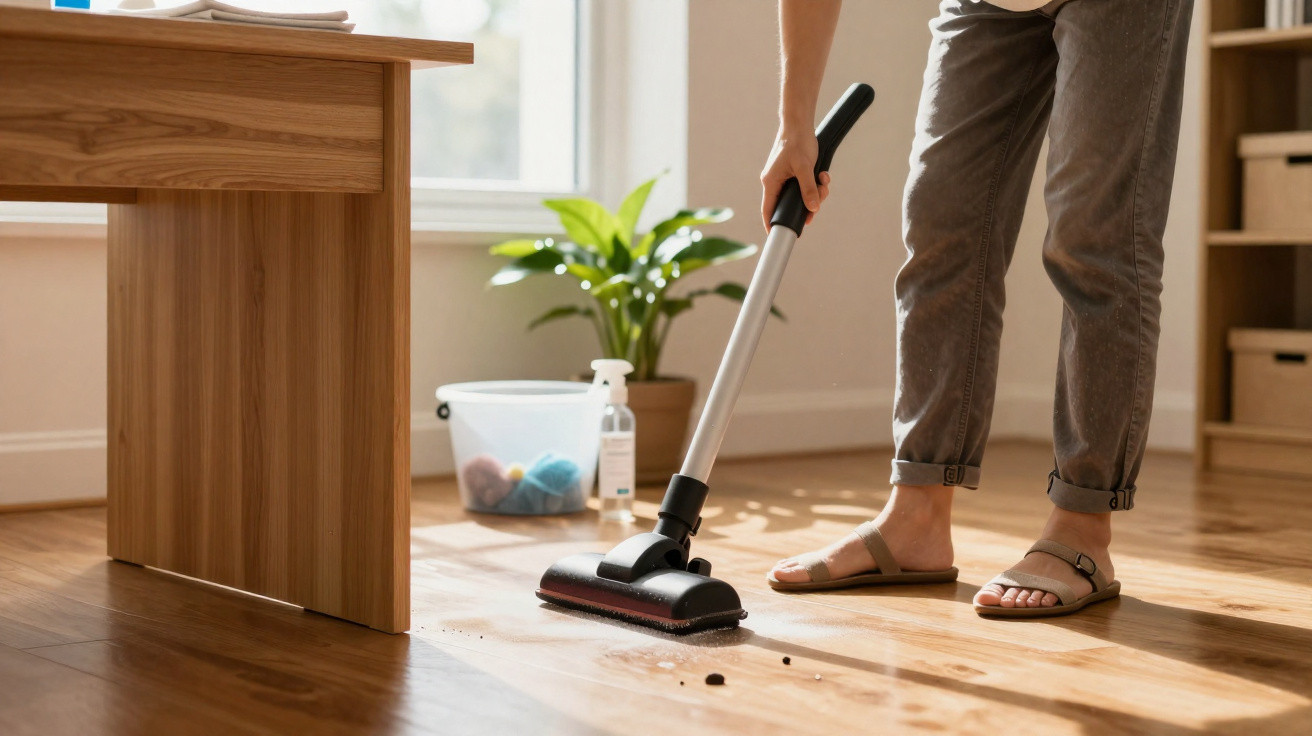
The same applies to floors: wash them properly, with a good rinse, every other week instead of using an overly concentrated bucket every two days. Your surfaces benefit, and so do you. For worktops, carry out a ‘proper clean’ twice a week using a suitable product and allowing it time to work, then use quick water wipes for the rest of the week. That shift changes the overall feel of the home: less frenzy, more quiet consistency.
The truth is that many people feel guilty if they do not scrub often enough. Let us be honest: nobody genuinely does it every day. The trap is moving from ‘too often and badly’ to ‘not at all’. The right balance is accepting a realistic pace based on your actual life, not an Instagram account.
Common mistakes include scrubbing the same visible spot again and again while forgetting the places where real grime collects: grout, skirting boards and handles. Another is emptying half a bottle of cleaner in the hope of making up for insufficient contact time. One more misstep is rewashing a surface already treated ‘out of habit’ without checking whether it needs it. Eventually, materials become worn and you stop noticing the results.
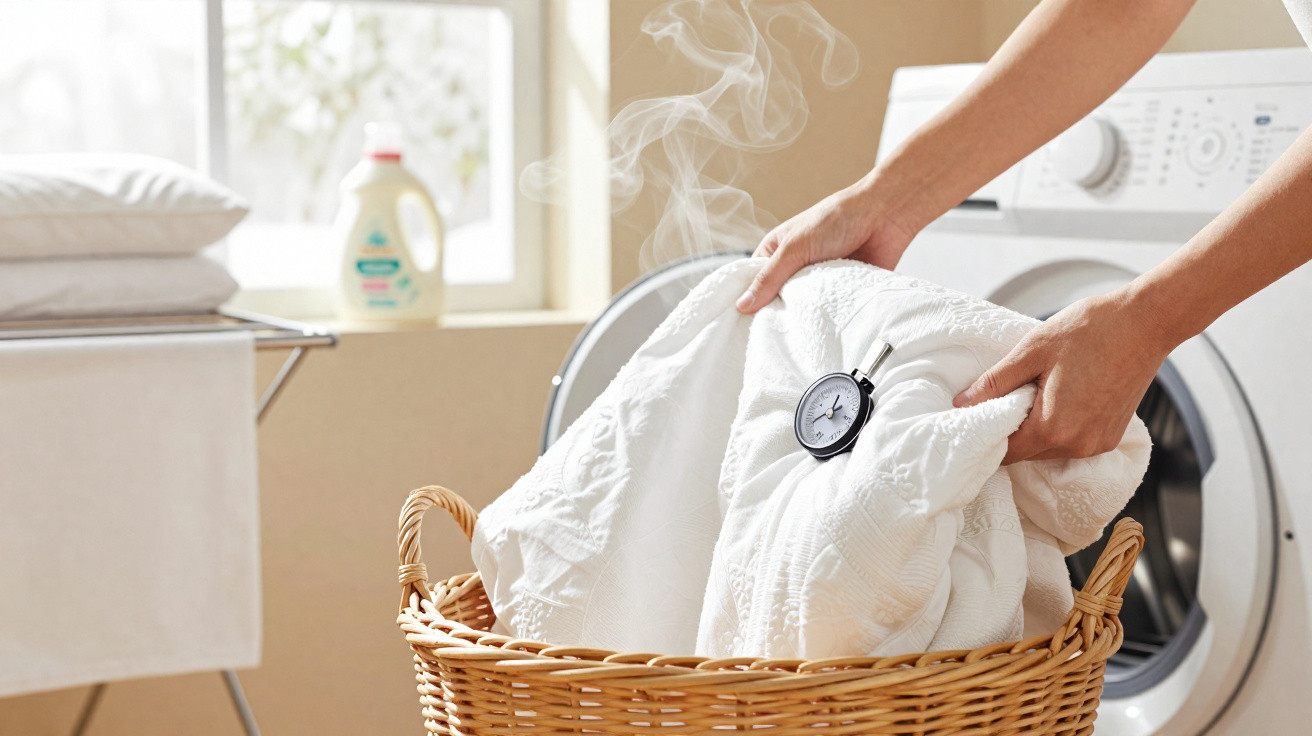
One reader told me that he washed all his bedding twice a week ‘on principle’, then had no energy left to deal with the mattress or pillows for months. He was therefore sleeping in clean sheets on a dust-saturated base. When he switched to a proper mattress clean every three months, pillow washing twice a year and weekly sheets, both his sleep and allergies changed. Cleaning the mattress less frequently was not neglect; it was finally proper maintenance.
“The day I stopped cleaning everything constantly, I saw for the first time what actually needed attention in my home,” a mother of three told me. She had swapped daily mopping for a simple, manageable schedule.
To make this routine practical, it helps to keep a few visual and useful prompts close at hand:
- A sheet of paper or fridge note listing ‘deep’ tasks and their ideal frequency.
- Products grouped by area - bathroom, floors and kitchen - to reduce unnecessary running about.
- A timer on your phone, so you can respect contact times without hovering around waiting.
- One simple phrase to remember: “If I do it less often, I do it better.”
How to time your “less often” cleaning for maximum impact
The real secret behind this approach is timing - not perfect timing, but a timetable that fits your life. Rather than thinking ‘every day’ or ‘whenever I can’, think in cycles: weekly, fortnightly and monthly. Every part of the home has its own rhythm, and that slower, consistent rhythm is what finally makes cleaning effective rather than an endless race.
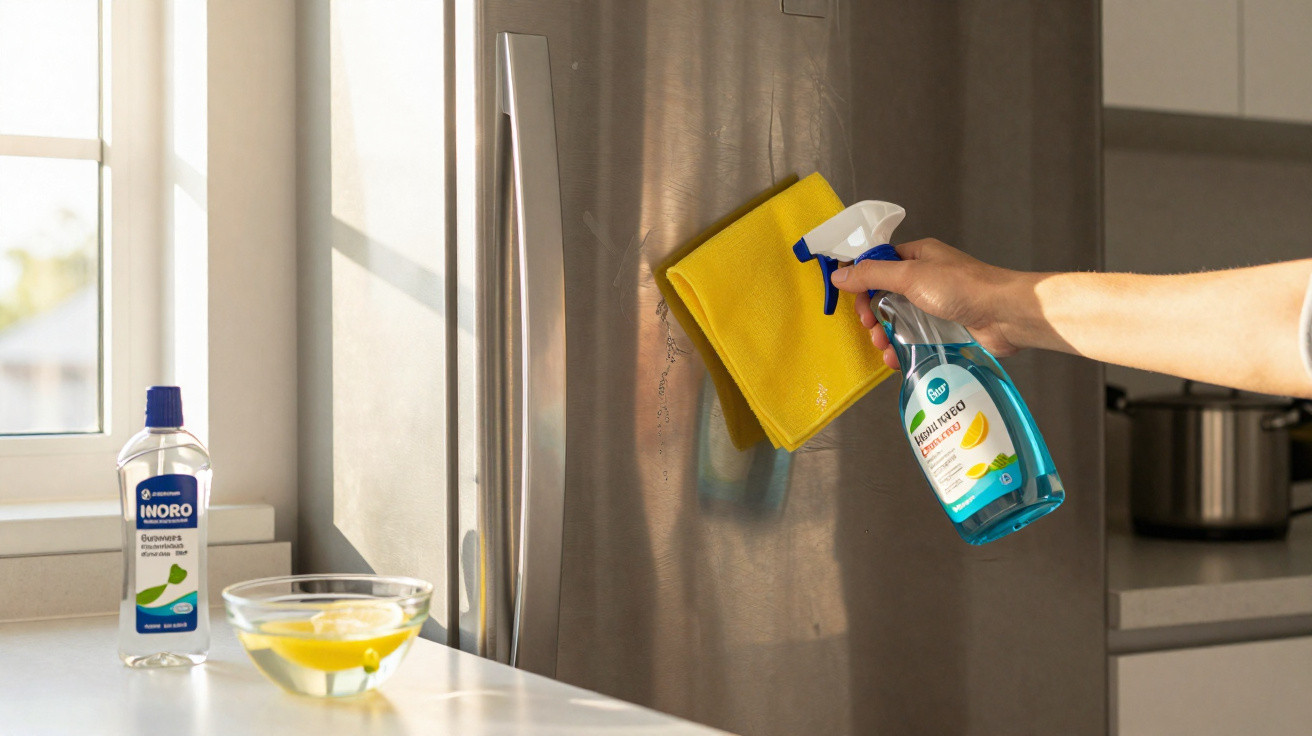
The fridge, for example, fares better with a genuine sort-and-clean every two weeks. Take everything out, wipe the drawers with a mixture of warm water and vinegar, and discard anything that has clearly gone off. At other times, a simple sponge over small spills is enough. The same principle applies to windows: one thorough seasonal clean often works better than nervous weekend passes with newspaper.
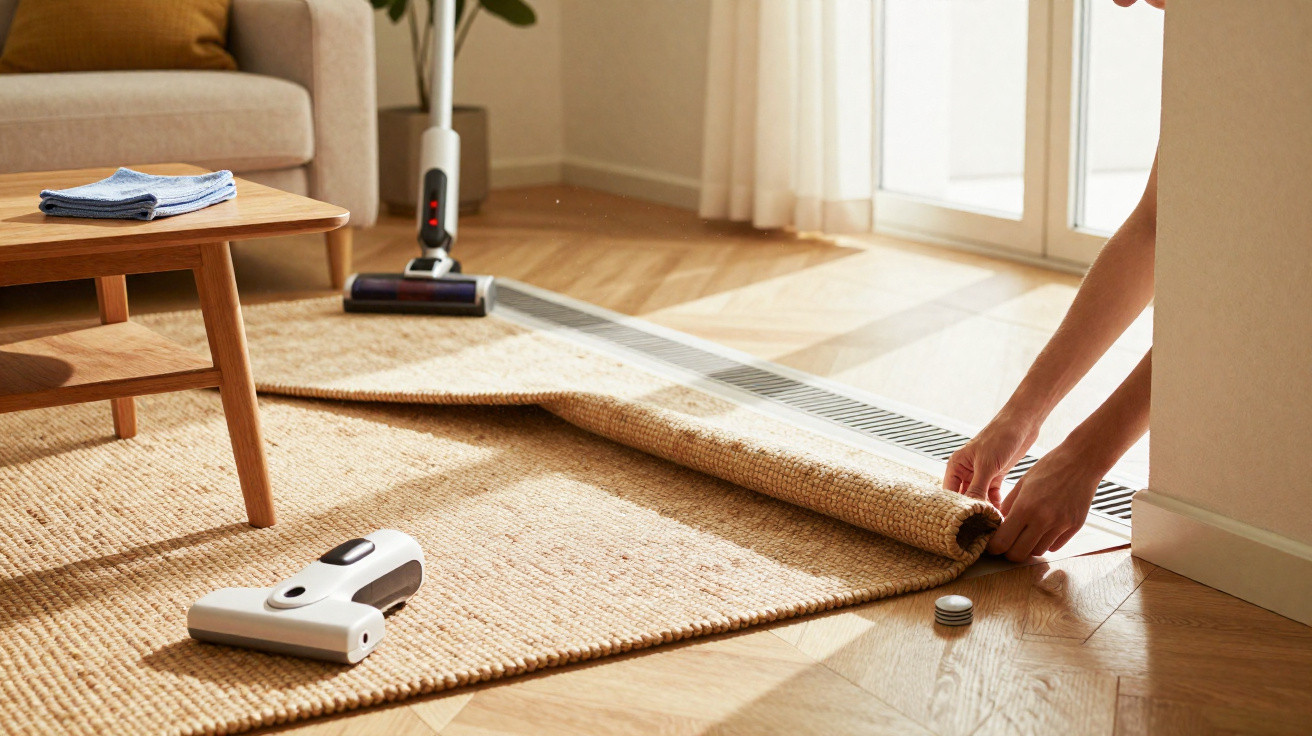
This method creates mental space too. You know that Saturday morning is for the bathroom, the first Sunday of the month is for windows, and once a quarter is for deep-cleaning rugs. The rest of the time, you live in your home instead of running it like a cleaning business. Gradually, guilt gives way to a quiet sense of pride: fewer actions, but actions that genuinely matter.
| Key point | Details | Why it matters to readers |
|---|---|---|
| Deep clean the shower weekly, not daily | Use a descaling or vinegar-based spray, leave it on for 5–10 minutes, then rinse and finish with a squeegee after each use rather than scrubbing every day. | It tackles limescale more effectively, protects grout and saves your shoulders from constant scrubbing sessions. |
| Wash floors thoroughly every 7–14 days | Vacuum or sweep 2–3 times a week, but mop with correctly diluted product only once a week in busy homes or every two weeks in a small, low-traffic space. | It prevents sticky residue caused by over-mopping, keeps floors looking fresh for longer and reduces the time spent dealing with buckets and dirty water. |
| Give the fridge a real reset twice a month | Empty one shelf at a time, wipe it with warm water plus a splash of vinegar, and throw away out-of-date food instead of wiping random spills every day. | It keeps odours under control, reduces food waste and makes the fridge look clearer without spending hours on it each week. |
FAQ
- Isn’t cleaning less often just an excuse to be lazy? Not at all. The aim is not to stop cleaning, but to move to a rhythm where deep-cleaning jobs are completed at the right interval, using the right products and allowing enough time for them to work. You end up with a home that stays clean for longer, with fewer pointless repeated actions.
- How do I know if I’ve gone too far and I’m not cleaning enough? Look for ‘signals’ rather than relying on the calendar: persistent smells, a visible film on surfaces, or dust returning the day after you clean. If these appear, you may need to shorten the interval for that particular task, rather than overhaul everything.
- Can this routine work with kids and pets? Yes, although cycles are often shorter for floors, textiles and high-touch areas. Many families find that a weekly deep clean of key areas, plus tiny daily resets - toys into a basket or a quick sweep where the dog eats - is easier to maintain than continuous full-house cleaning.
- What if I like my home to “smell” freshly cleaned all the time? You can retain that sensory comfort without over-cleaning. Use lighter everyday products for quick wipes or a linen spray on fabrics, and keep stronger cleaners for the more spaced-out cleans. Smell should not replace genuine maintenance.
- How long before I feel the difference with a less-often routine? Most people notice a change within two to four weeks: less fatigue, fewer wasted products and areas that remain clean for longer. The hardest part is mental: accepting that ‘less often’ can genuinely mean ‘better done’.
Comments
No comments yet. Be the first to comment!
Leave a Comment