
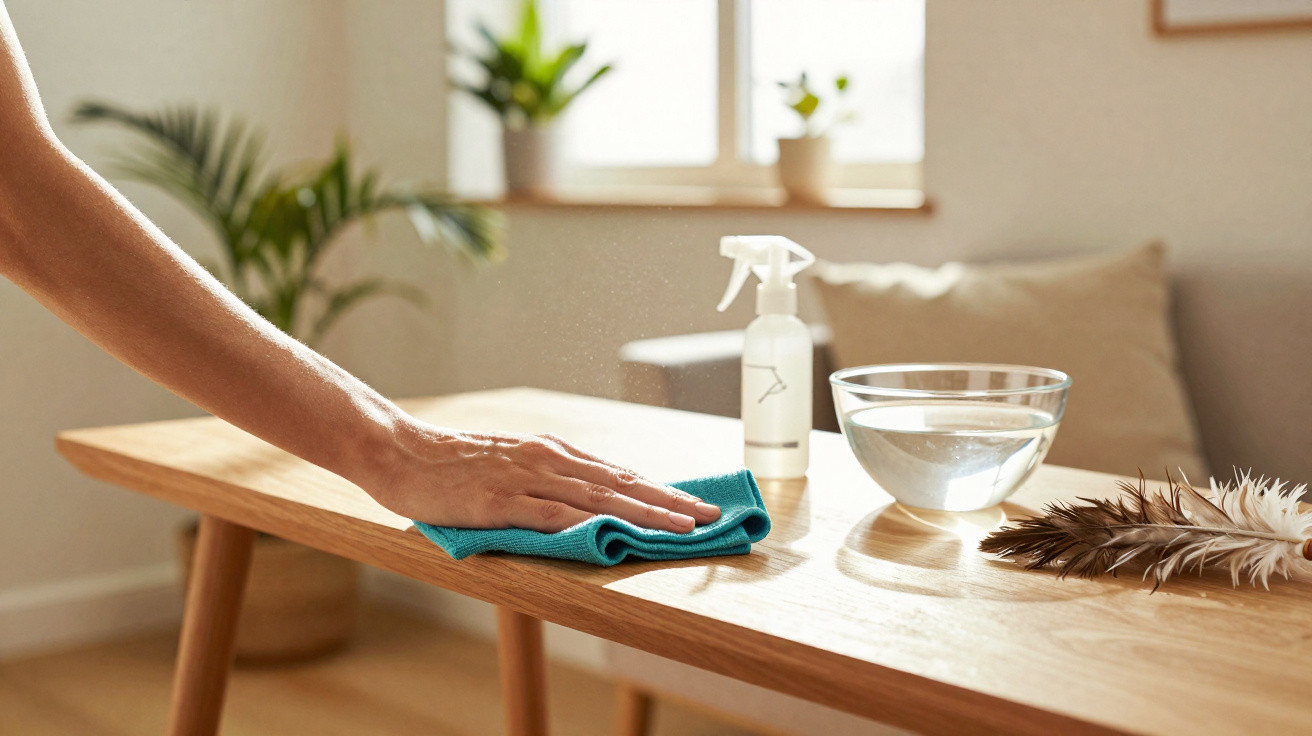
The sunlight was merciless.
It streamed through the lounge window, transforming something that had seemed “clean enough” into a sparkling blizzard of dust. The TV stand, cleaned only yesterday, was already coated in a light grey film. As for the black shelves, they looked like an exhibition of fingerprints and chalky marks.
Beside it, a partly dry microfibre cloth lay dejectedly on a chair next to a bottle of multi-purpose spray. The situation was almost funny: one person, two cleaning products and a never-ending battle with tiny particles that always appear to win. You wipe, stand back and sigh. Then the dust returns even more quickly, as though you had somehow asked it in.
Cleaning professionals say that, in plenty of homes, you effectively have. It begins with a minor but widespread error - one that most people make every time they clean.
The small mistake that makes dust stick like glue
The problem is not how regularly you clean, but how you complete the task. Many people spray cleaner straight onto the surface, rub it in hurried circles and leave behind a faint, tacky layer that cannot be seen. In bright sunshine, it appears as smears. On an ordinary day, it simply attracts dust without drawing attention to itself.
Furniture may look perfectly acceptable to the eye - even glossy. Yet for dust floating through the room, that film acts like a runway. Cleaning professionals describe this as residue build-up: a combination of cleaning product, skin oils and old dust that was never fully removed. Once it has formed, every subsequent wipe is only a temporary solution.
On screens, glass tables, high-gloss cupboards and painted shelving, this residue can double the rate at which dust settles. Not over a week, but within a day. This is why a seemingly thorough clean can make surfaces become dusty more quickly without making the reason obvious.
During a recent visit to a home, a professional cleaner in London entered a flat that initially appeared immaculate. The owner almost apologised as she pointed to the TV unit. “I clean this thing every two days, I swear, and it looks like this again,” she said, embarrassed. Just 24 hours after a deep clean, the unit had acquired the familiar grey haze.
The cleaner ran a finger across it and felt a slight sticky resistance rather than a smooth surface. She asked which products the owner used. It was a well-known fragranced spray, applied directly to the wood nearly every time. There was no rinsing stage and no dry buffing. When viewed beneath a small LED torch, the residue was unmistakable: dull areas and streaks that gripped dust like Velcro.
They tested another method: a damp microfibre cloth, warm water with a drop of mild washing-up liquid, followed by a second wipe using a fresh, dry cloth. The improvement was not merely visual. Three days afterwards, the same TV unit still appeared newly cleaned. It was the same flat, the same city air and the same open windows - only the final step had changed.
Dust is lazy. It does not adhere as readily to smooth, properly clean surfaces as it does to ones that are faintly sticky or textured. Using too much polish, multi-purpose spray or soap, then missing out the final “rinsing” stage, leaves a microscopic layer that is not genuinely clean. That layer is more uneven than exposed wood, glass or plastic.
Static electricity creates an additional problem. Dry dusting, particularly with old cotton cloths or kitchen roll, can charge the surface. Rather than removing dust, the cloth turns the furniture into a magnet. Together, static charge and residue build-up give each new speck of dust an ideal place to settle and remain.
This is why cleaning professionals stress that the true aim is not shiny furniture. It is a neutral surface: no sticky coating, no remaining product and no strong static charge. Shine is only an extra benefit. Neutrality is what keeps dust away for longer.
How to wipe so dust stays away for longer
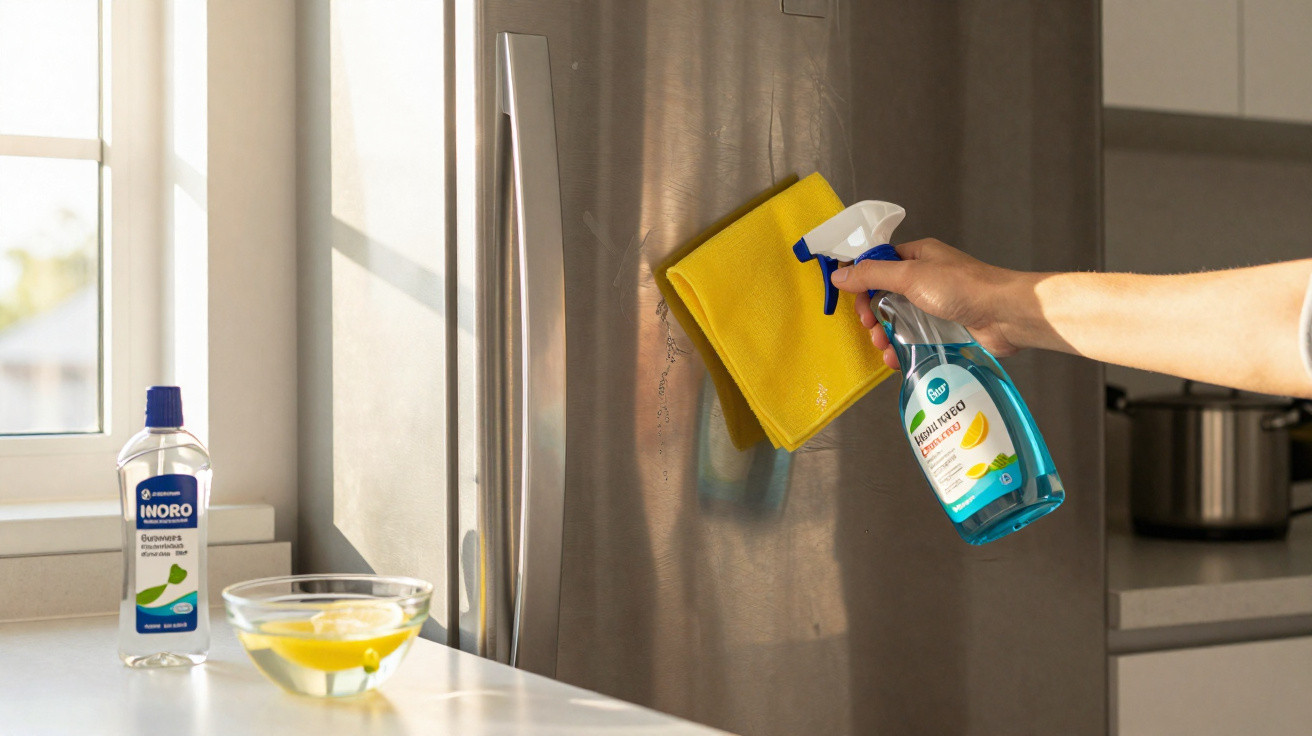
The first adjustment is straightforward: stop drenching surfaces with product. Professionals advise spraying the cloth rather than the table. One or two sprays onto a slightly damp microfibre cloth will usually be sufficient for a bedside table, TV unit or shelf. The cloth should be lightly moist rather than wet.
Use straight, overlapping strokes instead of quick circular movements. Although it can feel slower, this approach lifts more dust in a single pass and creates fewer smears. Next comes the stage many people miss: make a second pass using a clean, dry microfibre cloth. This “buffing” action takes away residue and smooths the surface microscopically, leaving dust with less to cling to.
Treat it as cleaning followed by rinsing, except you use cloths rather than running water. The last pass should always be dry. For screens and glass, a specialist glass cloth or polishing cloth can make an even greater difference. It removes the almost invisible film that causes fingerprints and dust to reappear more rapidly.
For a bookcase covered with photo frames and ornaments, this may sound excessive. Let’s be honest: nobody really does that every day. However, a hotel-standard routine is not necessary. You only need to alter the way you clean the surfaces that frustrate you most, such as TV units, coffee tables, bedside tables and desks.
Avoid using heavy wood polishes every time you clean, and reserve them for an occasional treatment. For weekly or fortnightly cleaning, warm water with a drop of gentle washing-up liquid on a microfibre cloth works remarkably well. Follow it with a dry buff. For electronic items, use a barely damp cloth or a dedicated screen wipe, then finish with a soft dry cloth to reduce static.
With black furniture and high-gloss cupboards, avoid kitchen roll altogether. It may create fine scratches in the finish and leave fibres behind that trap dust. Microfibre may seem less traditional, but its weave captures particles instead of merely moving them around. That is the understated advantage you need.
“Dust is not just about what’s in the air,” explains a professional cleaner who trains hotel staff. “It’s about the condition of the surface. A smooth, residue-free surface will look cleaner for twice as long as a sprayed, shiny, sticky one.”
Another overlooked issue is how the cloth itself is used. Passing the same dirty section of cloth over an entire room simply transfers a thin layer of dusty grime from one place to the next. Fold the microfibre cloth into quarters and switch sides regularly. Once every side has turned grey, the cloth has done enough for that day.
- Apply product to the cloth rather than the surface for most routine dusting.
- Always complete the job with a dry microfibre cloth to reduce residue and static.
- Change cloth sides frequently so you are not wiping with a dusty section.
- Save heavy polishes for occasional use instead of every clean.
- For screens and glossy finishes, choose dedicated cloths rather than kitchen roll.
Small changes that quietly make all the difference
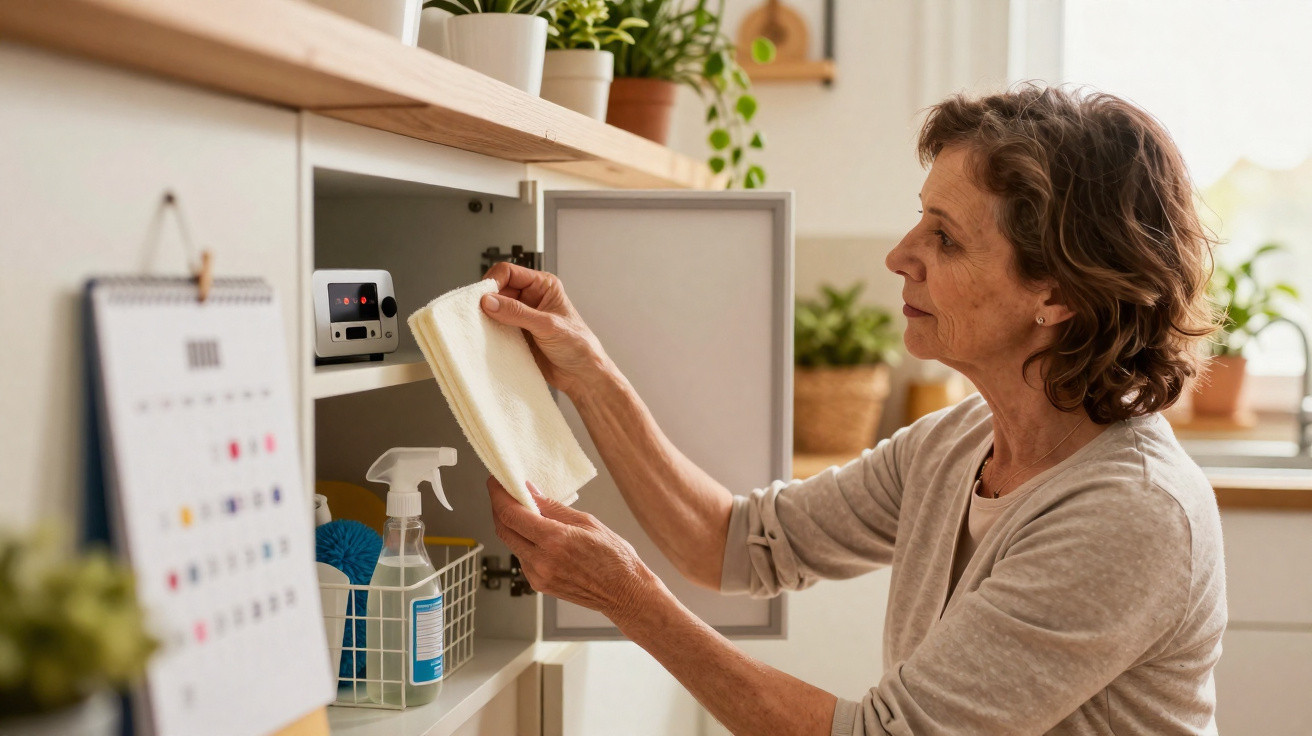
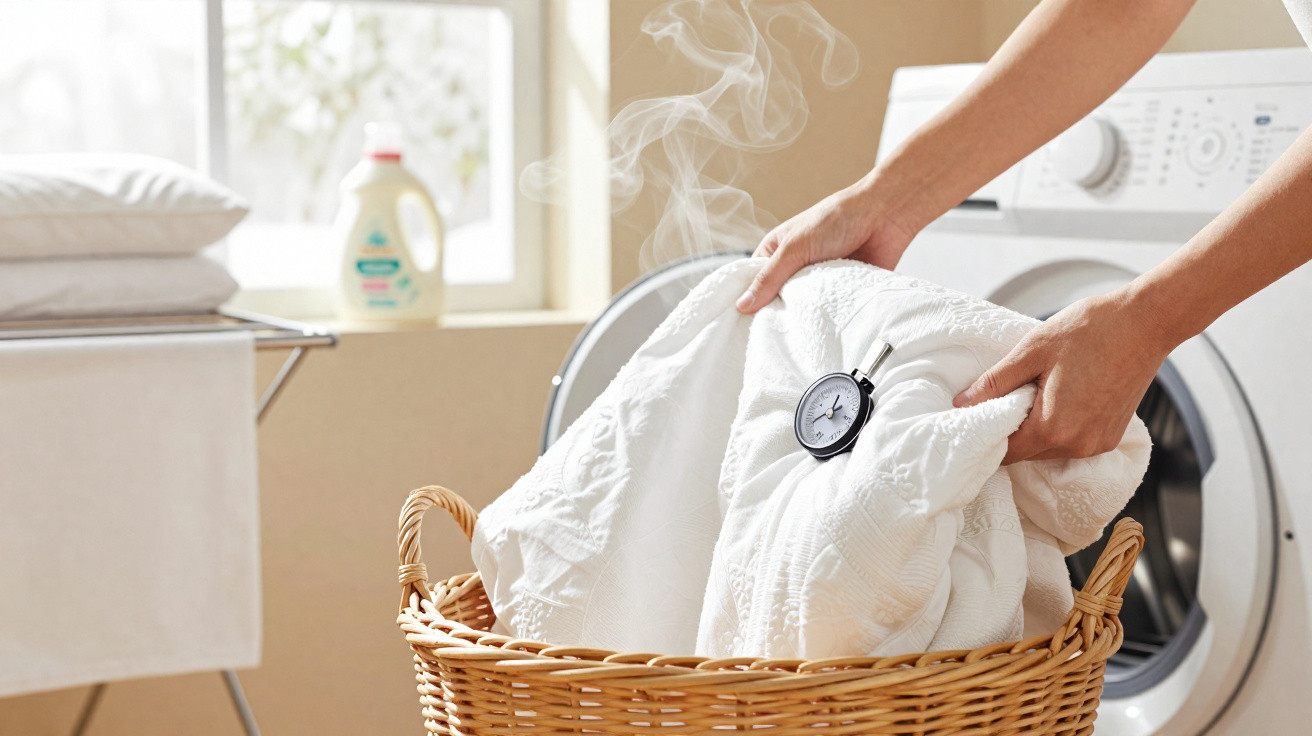
Once you no longer leave dust with a sticky welcome mat, other modest changes start to feel worthwhile. An air purifier near a busy road, regular vacuum-filter changes and washing pillowcases more frequently can all help. Each reduces the fine particles floating around the home in search of somewhere to settle.
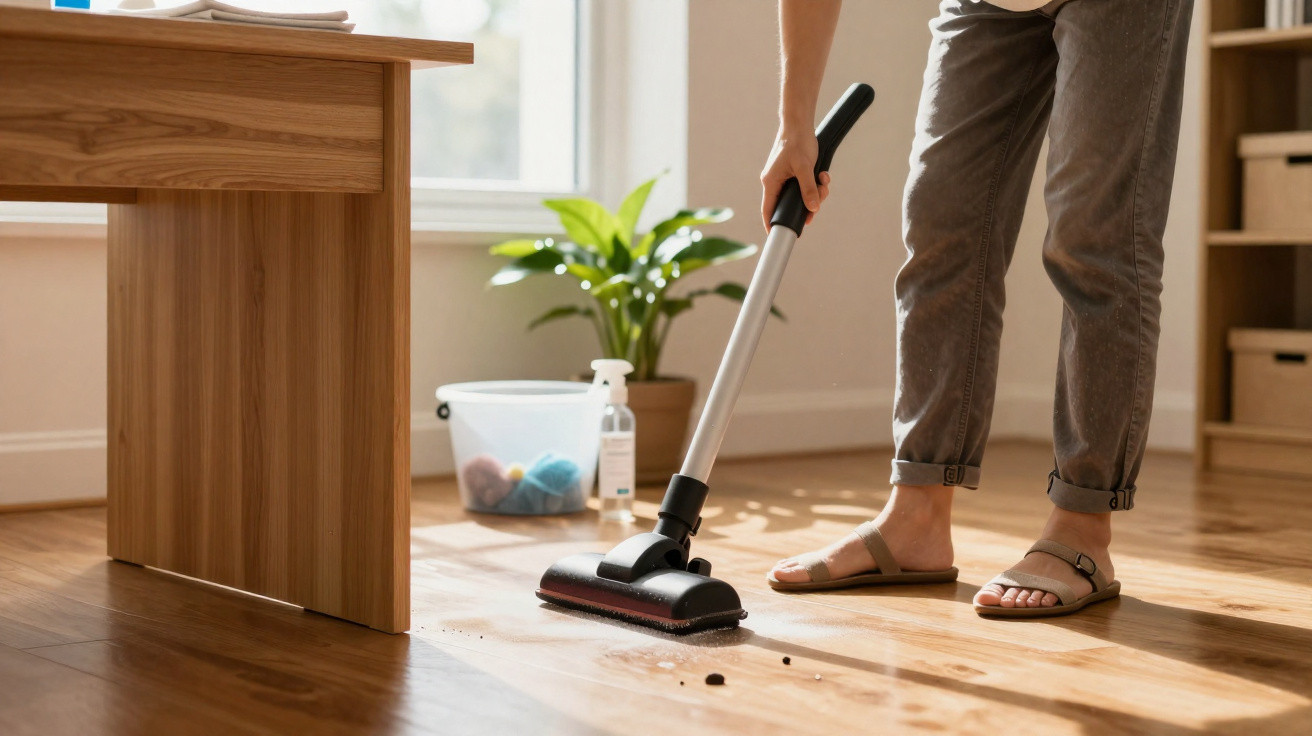
At a more practical level, consider the fabrics in the room. Fluffy throws, synthetic cushions and worn carpets shed fibres that behave much like dust. Shaking them outdoors briefly or making a slow pass with the vacuum cleaner’s upholstery attachment can affect how often nearby furniture appears dusty. The change will not be dramatic, but it can be noticeable on a Wednesday afternoon when the light falls in just the right way.
Everyone knows the deflating feeling of seeing their home in harsh sunlight. The answer is not to pursue perfection. It is to change the rules so that each wipe lasts properly. A smoother surface without residue gives you more time, while a few improved habits extend it further.
Some people make it a calm ritual: one room, one cloth and ten minutes with music playing. Others simply alter their Sunday cleaning routine and leave it at that. In either case, the improvement starts by correcting that common error - the over-sprayed, insufficiently buffed surface that gradually becomes a dust magnet.
After seeing how differently a “neutral” surface performs, it is difficult to return to the old approach. You begin to notice residue dragging beneath your fingertips and see how dust gathers in streaks rather than settling evenly. You become slightly more discerning, in a positive sense.
That is the real change. It is not an obsession with immaculate homes, but a more realistic and relaxed relationship with the dust that cannot be eliminated entirely. Alter the way your cloth meets the surface, and the whole story of your lounge changes along with it.
| Key point | Details | Why it matters to readers |
|---|---|---|
| Residue from cleaning products attracts dust | Applying polish or multi-purpose cleaner directly to furniture often leaves an invisible, sticky layer that catches dust and fibres. | This helps explain why “freshly cleaned” tables and TV units can look dusty again within a day or two. |
| Spray the cloth, not the surface | Two light sprays on a damp microfibre cloth are normally enough for a shelf or small table, then use a dry buff to remove residue. | It limits product build-up, smears and static, helping surfaces remain visibly clean for longer. |
| Finish every wipe with a dry pass | A second wipe with clean, dry microfibre effectively “rinses” the area and smooths the surface at a microscopic level. | This reduces dust magnets and makes it easier to leave more time between deep cleans. |
FAQ
- What is the main mistake that makes surfaces attract dust faster? Using excessive product and leaving a sticky or oily residue on the surface. This fine film, commonly caused by sprays or polishes, gives dust something to adhere to and makes it return sooner.
- How often should I actually dust my furniture? In most homes, cleaning main surfaces such as TV units, coffee tables and bedside tables once a week is sufficient. Rooms with heavy use or lots of dust may require a quick midweek touch-up, but daily dusting is seldom needed.
- Are microfibre cloths really better than old cotton rags? Yes. Microfibre is made to capture dust within its fibres instead of simply shifting it about. Cotton rags and kitchen roll are more likely to leave lint behind and can produce extra static on shiny surfaces.
- Can I still use wood polish on my furniture? Yes, but use it only occasionally. Put a small quantity on a cloth rather than straight onto the wood, then buff carefully with a dry cloth so that no greasy, dust-collecting layer remains.
- Why does my black TV stand always look dusty? Dark, glossy surfaces reveal every particle, and they are often over-sprayed with cleaner. Changing to a lightly damp microfibre cloth followed by a dry buff, while avoiding kitchen roll, generally produces a noticeable improvement.

Comments
No comments yet. Be the first to comment!
Leave a Comment