
Sprays claim to leave a streak-free gleam, but they seldom live up to it. A modest bottle changed my mind - and it did not come from the cleaning cupboard.
The bathroom mirror was steamed up, the shower still murmuring with heat, and the taps had a dull, worn look. I wiped them, sprayed them and wiped again - the familiar routine of minor frustrations. Yet the chrome remained hazy, as though it had forgotten how to shine.
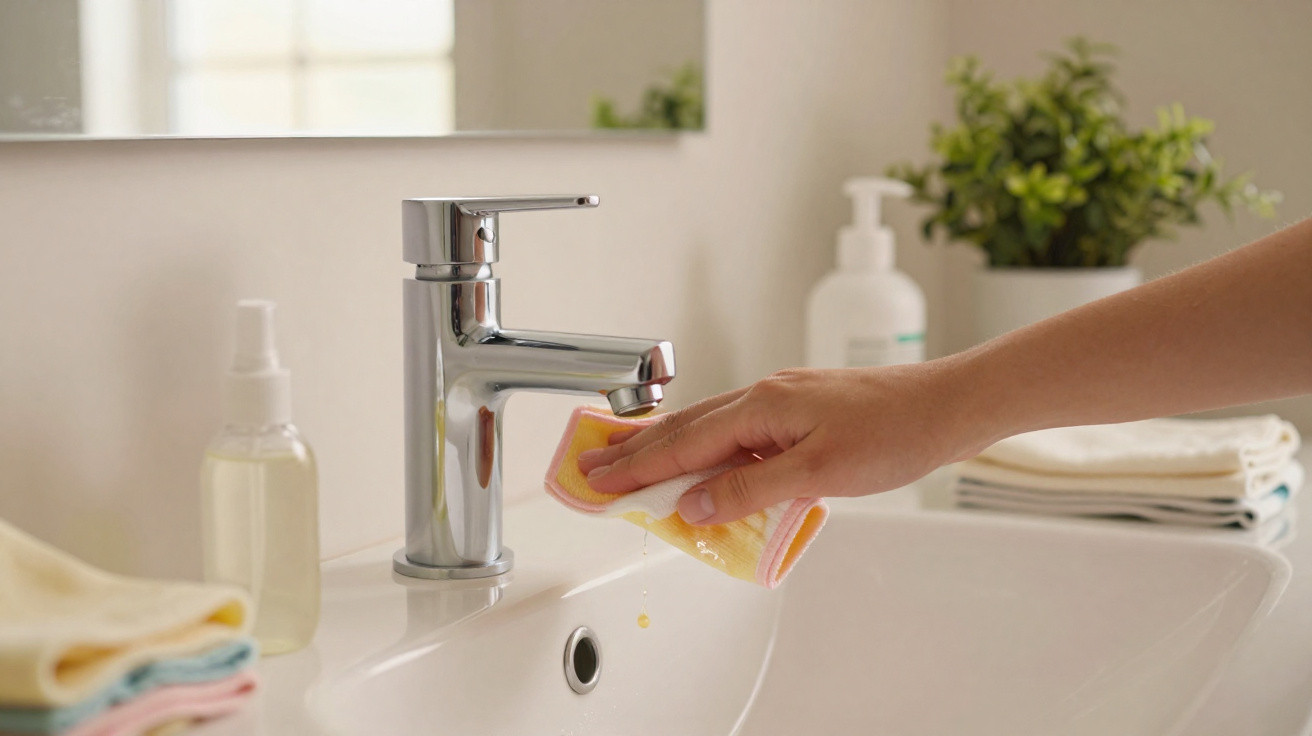
At the back of the cupboard, I found a partly used bottle from the baby years. It was clear, uncomplicated and slightly nostalgic. I placed one drop on a soft cloth and gently worked it over the tap, not expecting much. The metal changed from grey to brilliantly glossy, with reflections suddenly sharpened. Water gathered into beads and slipped away like rain on a waxed car. It looked better than after any store-bought cleaner I’ve used.
We have all discovered a simple solution that makes every product beneath the sink seem questionable. For me, baby oil on taps was that discovery. I tested it on the kitchen mixer too, simply to make sure. A minute of polishing and the task was finished. Then I tried baby oil.
The day my taps outshone shop cleaners
A single drop of baby oil altered my taps within seconds. There was no harsh cleaner odour, no prolonged polishing and no chalky film reappearing by teatime. Instead, I got a mirror-like finish that made the entire basin appear more polished. Better still, water marks hardly clung afterwards, as if the metal had suddenly developed some resilience.
The result was unexpectedly gratifying - one of those small household victories that brings a tiny burst of happiness. In the right light, the spout looked brand new, not “cleaned” but truly revived. I turned on the tap to try it out, then splashed water over the spout. The droplets rolled away and left virtually no trace. Hours later, I checked again: it was still shining.
This is apparently what is happening. Baby oil, a light mineral oil, settles across chrome and fills the minute scratches where dirt and soap scum collect. Its fine coating is hydrophobic, meaning splashes do not spread out into cloudy marks. Although many spray cleaners lift dirt, they can leave faint residues that draw in fresh marks. The oil instead works as a protective barrier.
How to create a mirror-bright finish with baby oil
Begin with a clean surface. Use warm, soapy water to remove toothpaste, fingerprints and small limescale deposits from the tap. Dry it thoroughly with a microfibre cloth. The key step is next: add one drop - genuinely, only one - of baby oil to one corner of a clean cloth. Polish the chrome in small circular movements before finishing with long strokes. Lastly, use a dry area of the cloth for one more pass, removing any surplus glossy film.
A tiny amount is enough. For one tap, two drops will probably be excessive and may leave streaks. Keep oil far from the floor and bath edge - slippery surfaces are no joke. Where limescale is persistent, deal with it beforehand using a mild limescale remover or a white vinegar soak; then dry the surface completely before using oil. Realistically, no one does this every day. Weekly, or before visitors arrive, is a manageable schedule.
Apply it to chrome and polished stainless steel. Take care with brushed finishes, matte black surfaces and specially coated taps: test an inconspicuous area first and consult the manufacturer’s care instructions if available. If the surface starts to smear, you have most likely used too much oil - return to it with a dry cloth and use a lighter touch.
“Think of baby oil as a topcoat, not a cleaner. Clean first, seal second. That’s where the magic lives,” says a veteran housekeeper who swears by the one-drop rule.
- Use one drop for each tap, or two at most for a kitchen mixer.
- Reserve a microfibre cloth specifically for the oiling stage.
- Keep it off the floor and wipe up drips at once.
- Remove limescale before applying oil.
- Polish again the following day for added brilliance.
Why this baby oil trick does more than add shine
Baby oil is not a cleaning product; it is a protector. Its protective coating stops water spots from adhering as quickly, helping taps remain glossy for longer between proper cleans. In a busy home, where toothpaste splashes and hurried handwashing happen a dozen times before lunch, that additional protection can feel like a shortcut through the day.
I noticed another benefit, too. Since the tap stayed brighter for longer, the entire sink area appeared tidier, even when everything else was chaotic. That “hotel bathroom” illusion buys you a calmer morning. Little by little, this routine reduces the cycle of intensive spraying and scrubbing, which is gentler on both the finish and your wrists. It is a minor adjustment with a daily payoff.
There is a useful simplicity to it that cuts through the hype around miracle cleaners and lengthy routines. On days when energy and time are in short supply, it produces a visible difference with almost no work. It’s the sort of tiny habit that feels disproportionally rewarding. Soon, you will reach for the microfibre cloth automatically. And when somebody asks whether you have replaced the taps, you will know it is doing its job.
The baby oil method, common mistakes and when you will use it
This is the routine worth keeping. Following your normal quick wipe, dry the tap until it is completely moisture-free. Touch the cloth to the bottle opening once rather than squeezing it - all you need is a pinhead-sized amount of oil. Polish the spout, handle and base, then complete a final pass with the dry part of the cloth. For taps with knurled or ridged details, use a cotton bud carrying the faintest trace of oil, then buff it away with the cloth.
The usual errors are straightforward to avoid. Excess oil causes smears, so use it as sparingly as perfume. Do not let it reach the floor or bath edge, and wipe away any stray drops immediately. If hard water leaves a crusty scale, treat this first with a gentle descaler. For brushed taps, aged brass or coloured PVD finishes, test a concealed spot first. You know your fixtures best - if they look delicate, take it slow.
No specialist equipment or new range of products is required: one clean cloth and a drop of oil will do. If you favour plant-based options, light fractionated coconut oil can achieve a similar result, although I have found that baby oil produces a slightly longer-lasting sheen.
“Shine isn’t about scrubbing harder. It’s about leaving the right finish behind,” a professional cleaner told me with a shrug. “Work smarter, not sweatier.”
- Clean → Dry → One drop of oil → Buff → Dry buff.
- For most homes, once a week is enough.
- Keep oil off floors to avoid slips.
- For limescale: remove it first, then apply oil.
- When unsure, patch-test behind the spout.
The small shine that changes how you view the room
A gleaming tap subtly transforms a room. Light catches its curve, scattering small highlights across the basin. The room feels cleaner, even when the laundry pile is giving you the side-eye. This is not about achieving perfection; it is about creating momentum. One quick, noticeable success can encourage the next small task - cleaning the mirror, folding towels and breathing a little more easily.
I began doing this before guests came round, but eventually did it for my own benefit. The shine lasts for days, while the effort required is absurdly low. Show it to a sceptic and see them change their mind in under a minute. There is pleasure in that. There is also a quiet kind of rebellion in bypassing an expensive spray in favour of something soothing, simple and already in the cupboard.
Perhaps that is why this tip continues to circulate through group chats and reels. It values your time, budget and attention. Above all, it creates a result visible from the other side of the room - the sort that makes you smile a little whenever you turn on the tap.
| Key point | Detail | Benefit for the reader |
|---|---|---|
| Why baby oil works | It forms a thin hydrophobic coating that fills micro-scratches and repels water spots | Longer-lasting shine with less work and fewer streaks |
| Best way to apply | Clean and dry first, then polish in one drop with a microfibre cloth and finish with a dry pass | A quick, repeatable routine that takes less than a minute for each tap |
| When to take care | Brushed, coloured and specialist finishes require testing first; avoid floors to prevent slips | Protects delicate fixtures and keeps the bathroom safe |
FAQ:
- Can I use baby oil on every type of tap? Use it on chrome and polished stainless steel. For brushed, matte black, coloured or specially coated taps, first test a hidden area or follow the manufacturer’s care guide.
- Will baby oil remove limescale? No. Start by cleaning with a gentle limescale remover or a white vinegar soak. Dry the surface fully, then use the oil to protect the finish and slow the return of new marks.
- How often should I do it? Once a week is sufficient in most homes. If your water is especially hard or you want a hotel-standard gleam, a quick midweek top-up takes only seconds.
- Will it make surfaces slippery? It can do if it drips on to the floor or bath edge. Wipe up spills straight away and apply the oil to metal surfaces only.
- Does it replace cleaners? Think of baby oil as a topcoat, not a cleaner. It helps clean taps remain cleaner for longer and enhances the shine after the basic wash.
Comments
No comments yet. Be the first to comment!
Leave a Comment