
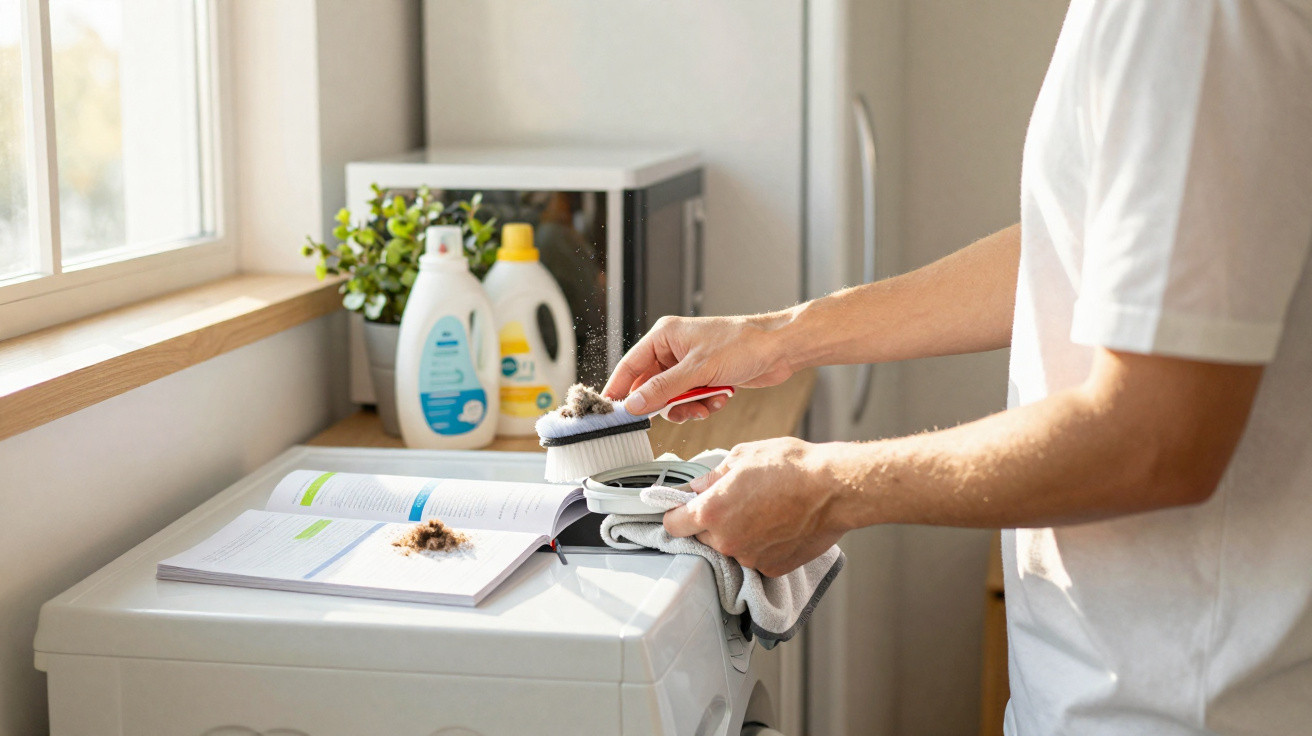
A faint blend of burnt plastic and old socks wafts from the kitchen, strong enough to stop you scrolling. In the background, the washing machine is thudding more loudly than usual, as if it is objecting. You open the door, lift out a knot of laundry and notice it: grey, sticky fluff stuck to the rubber seal, the filter cover and even beneath the drawer.
You rub at it with your T-shirt sleeve, equally disgusted and resigned. “I’ll deal with that properly one day,” you tell yourself, already heading away. Three weeks on, the machine halts halfway through a cycle, leaving an error code and a drum full of soapy water.
The everyday mistake that silently destroys our appliances is neither dramatic nor technical. It is much more mundane: the lint, dust and grime we choose not to notice.
The tiny neglect that wrecks big machines
We tend to picture an appliance dying in a major incident: a loud bang, a spark or a kitchen flood. Usually, though, appliances decline gradually. There is a little too much dust on the fridge coils, a blocked tumble-dryer lint filter or a dishwasher whose food debris is never properly cleared away.
The everyday mistake is operating machines while they are dirty and clogged, then being astonished when they fail. Not filthy, disaster-film dirty, but “I’ll clean it tomorrow” dirty. It is the grime that quietly accumulates until the motor works harder, heat rises and components wear out years before they should.
On a good day, you clean the exterior so the appliance “looks clean” and seems respectable. Internally, it is a different story. Fans, filters, seals and vents are gradually being starved. That unseen pressure is what cuts their working life short.
A London repair engineer I spoke with joked that most of his work involved “uncancelled cleaning”. He is the person called in when every skipped five-minute task finally pushes an appliance beyond its limit. In his experience, nine times out of ten, the failure was not sudden at all: maintenance had simply been put off repeatedly.
The evidence supports that impression. Consumer groups in the UK and Europe have found that inadequate basic care can remove three to five years from the lifespan of everyday appliances, including washing machines and tumble dryers. Consider a machine intended to last ten years failing at six or seven because of lint, limescale and restricted airflow.
One quiet Tuesday in Birmingham, a family’s fridge freezer failed shortly after a large food shop. There was no mysterious fault: dust had covered the rear coils, while the appliance had been pushed tightly against the wall. Its compressor had spent months overheating. Repairing it cost more than buying a second-hand replacement, so both money and a nearly new fridge ended up in the skip.
The principle is harshly straightforward. Every household machine depends on moving parts and heat: motors turn, water runs and air circulates. When dust, fluff, grease or limescale obstructs that movement, the appliance must work harder. Greater effort brings higher temperatures, extra friction and more stress on its components.
That added pressure is not visible on the first day. It emerges when a fan fails in year four rather than year nine, a heating element overheats and burns out, or a pump becomes blocked before seizing. The everyday mistake is not failing to understand how appliances work. It is treating them as sealed units capable of handling anything, while overlooking every small sign that they are struggling.
There is a financial trap, too. In the moment, every small omission seems free. Nobody sends you an invoice for failing to clean a filter. The cost comes years later, in the form of a broken machine and a frantic hunt for a replacement. By then, the connection between the two has disappeared from memory.
Five-minute appliance rituals that add years
The answer is not a 20-point maintenance spreadsheet. It is a few short routines that become as instinctive as switching off the lights. Aim for “two minutes after use”, not “one major clean in six months”. Small habits are far easier for our minds to manage than undefined future chores.
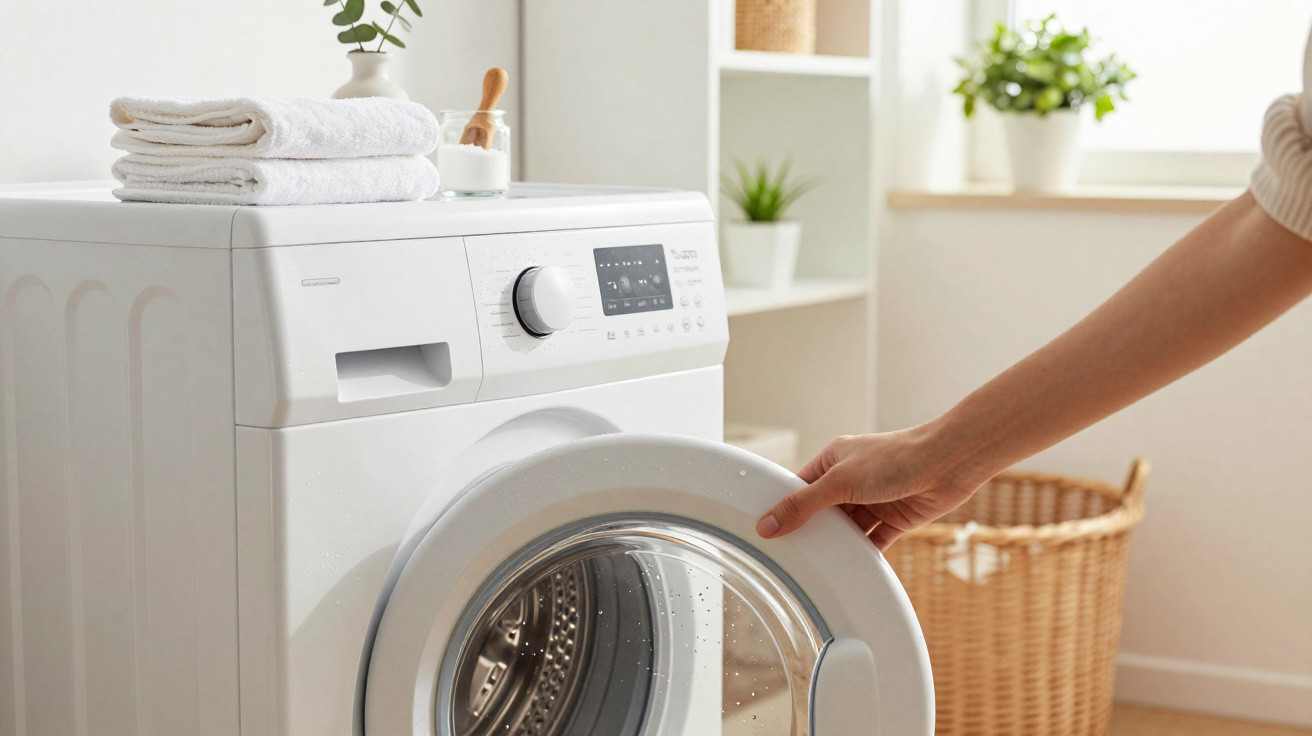
For a washing machine, the routine can be as simple as dealing with lint and the door. Empty the small filter every few weeks, wipe the rubber seal and leave the door ajar so the interior can dry. For the fridge, make time every three months to pull it a few inches from the wall, vacuum the coils and throw away the leftovers that have become science experiments.
With a tumble dryer, clean the lint filter after every load and check monthly that the vent hose is neither kinked nor packed with fluff. These minor actions lower operating temperatures, reduce the burden on motors and prevent sensors being fooled by dirt. They may seem trivial at the time, but over ten years they are anything but.
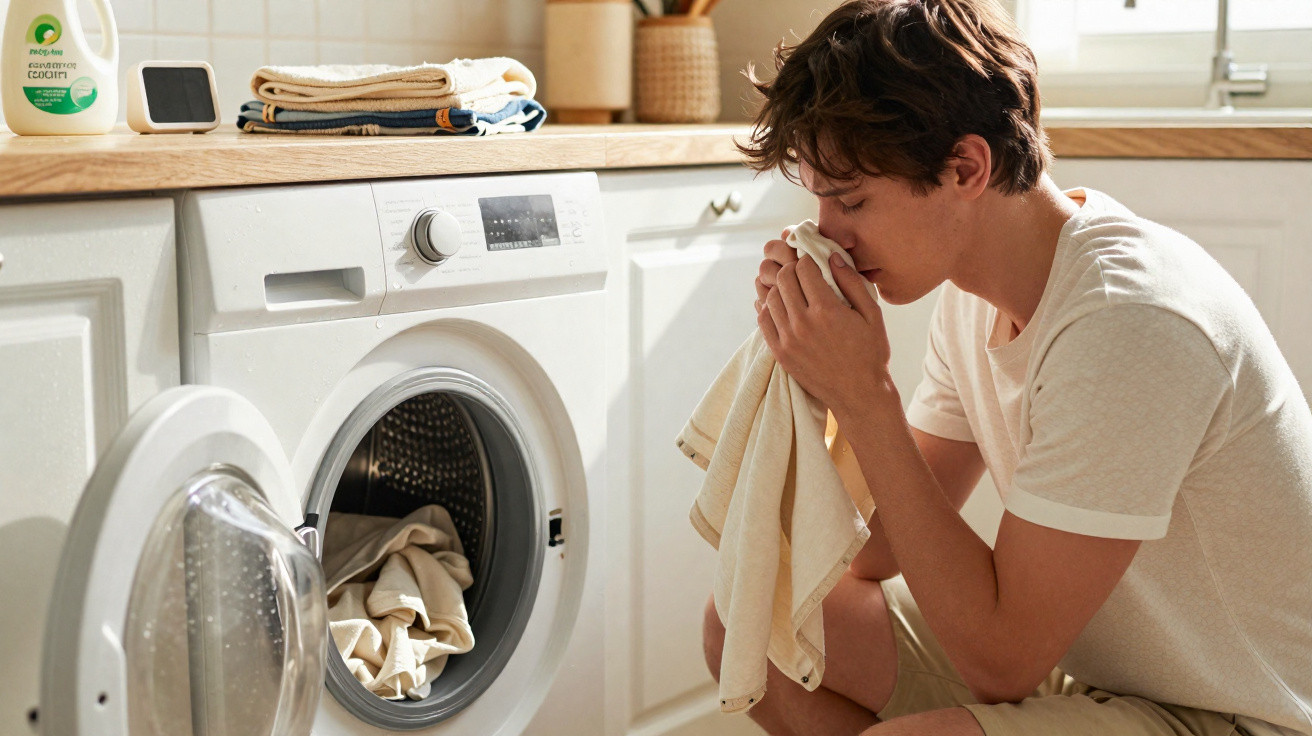
In principle, most people know they “should” look after their appliances. The difficulty lies in turning that knowledge into action amid everyday life. You arrive home late, put a mixed load into the machine and sink onto the sofa. The cycle ends at midnight, the clothes remain in the drum until morning, and the door stays shut. Dampness lingers and mould quietly takes hold.
On a Saturday, you spot crumbs in the toaster and grease on the oven fan, then decide it can wait. The children are shouting, your phone keeps buzzing and a bin bag has just split across the floor. Cleaning the dishwasher filter feels like a low-priority fight in a far larger battle.
At a human level, that is entirely understandable. Let’s be honest: nobody really does this every day. The solution is to make the threshold so low that it almost feels ridiculous: one small job attached to something you already do. Opening the dishwasher? Spend five seconds checking the filter. Emptying the dryer? Wipe away the lint. Returning milk to the fridge? Look at the door seal.
As one experienced appliance technician told me over a cup of tea in Leeds:
“Machines don’t usually die of old age. They die of suffocation and neglect. Give them air, give them a quick clean, and most of them will outlive your patience with their colour.”
It may sound dramatic, but the joke carries a simple point. Appliances are more robust than we assume, if we stop making the same everyday mistake of running them while dirty, obstructed and overheated.
More practically, a basic mental checklist can stop you slipping into the “I’ll do it later” habit. It does not need to be a large laminated chart on the fridge; simply keep a few essential points loosely in mind:
- Lint and filters: tumble dryer, washing machine and dishwasher
- Air and space: fridge coils, vents and gaps around appliances
- Moisture: doors left ajar on washing machines and dishwashers after use
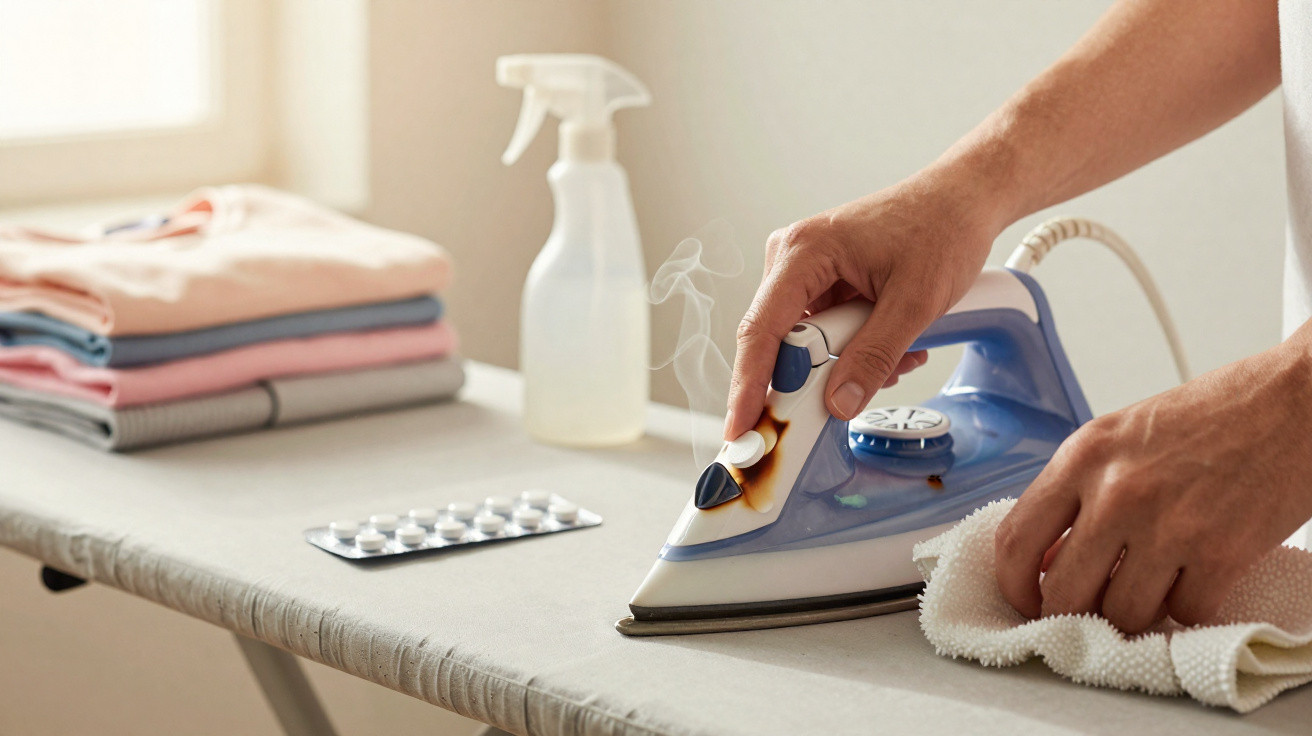
- Limescale: kettles, washing machines and coffee machines in hard-water areas
- Smells and sounds: anything unfamiliar is a clue, not background noise
Once you view your home through those five lenses, the same question keeps appearing: where is this machine trying to breathe, and where am I quietly preventing it?
Rethinking “broken” when an appliance stops working
There is an odd moment when an appliance fails and the house goes quiet. The fridge hum disappears. The washing machine stops with a half-hearted beep. Nobody stands there thinking, “Ah yes, this is the result of three years of mild neglect.” Instead, we blame poor luck, poor design or poor timing.
Yet that silence offers an opportunity to reconsider how we treat the machines we depend on. Rather than regarding them as disposable boxes that inexplicably die, we can see them as workhorses needing brief, regular breathing space. Not spa days: only some room, some cleaning and some attention.
On a crowded Manchester estate, a neighbour once told me she had “never had a washing machine last more than four years”. Two doors away, another neighbour was still using a 15-year-old model with a missing dial and a stubborn door. The difference was not luck. It was lint filters, door seals and the routine of leaving the machine open between loads.
That contrast stays with you. It quietly raises the question: how much of what we describe as “broken” is simply “ignored for too long”?
There is something deeper happening socially, too. We live in a culture that softly tells us, “If it stops working, just get a new one.” Extended warranties, buy-now-pay-later deals and seasonal sales all reinforce the message. It becomes normal to shrug when a four-year-old tumble dryer fails. Behind that shrug, however, is a skip full of metal, plastic and partly used potential.
We do not need to become appliance obsessives who monitor every drum rotation and descaling cycle. What is needed is more like basic respect: recognising that the machine in the corner performs hours of unpaid work for us and merits an occasional five-minute check-in. On a bad day, that is simple self-preservation. On a good day, it can feel surprisingly satisfying.
Personally, the real change may be emotional rather than technical. We have all experienced the moment when everything seems to fail at once: the boiler is playing up, the fridge is warm and the car is making an odd noise. It can feel as though the universe is against you. In reality, many of those crises were quietly arranged in advance by the everyday mistake of putting things off.
Changing that habit is not Instagram-worthy heroism. It means wiping a rubber seal when you are tired, emptying a crumb tray before bed, or occasionally pulling out the fridge and coughing through the dust cloud. These are small, unglamorous actions unlikely to earn anyone’s applause. Even so, they can provide years of calm in a world that already feels too fragile.
The next time an appliance sounds slightly wrong or you notice a faint burnt smell where there should not be one, take it as a whisper rather than background noise. Your future self, looking at a functioning machine instead of a flashing error code, may quietly thank you.
| Key point | Detail | Why it matters to the reader |
|---|---|---|
| Clean, clear airflow | Dust-free vents and coils prevent overheating in fridges, dryers and ovens. | Extends lifespan and cuts energy bills without big effort. |
| Regular filter care | Quick checks of lint traps and water filters reduce strain on motors and pumps. | Reduces breakdowns and expensive call-outs. |
| Moisture and scale control | Drying seals and tackling limescale keeps mould and corrosion at bay. | Keeps machines fresher, safer and more reliable for years. |
FAQ:
- What’s the single worst everyday mistake with appliances? Ignoring lint and dust. Blocked filters and vents force machines to run hotter and harder, which wears out motors, fans and heating elements years earlier than necessary.
- How often should I clean my washing machine? Wipe the door seal every few washes, leave the door slightly open after each cycle, and run a hot maintenance wash with cleaner or vinegar about once a month, especially in busy households.
- Do I really need to pull my fridge away from the wall? Yes, at least a few times a year. Fridge coils need airflow. A quick vacuum of the back and the floor underneath can stop overheating and extend its life significantly.
- Are tumble dryer fires really linked to lint? Very often, yes. Built-up lint on filters and in vents is a major fire risk. Cleaning the filter after every use and checking the vent hose regularly is one of the simplest safety habits you can adopt.
- Is it worth repairing an older appliance instead of buying new? Often it is. If the machine has been basically well treated, a single repair can add several years of use. A trusted local engineer can advise honestly on whether your specific model is worth saving.



Comments
No comments yet. Be the first to comment!
Leave a Comment