
The mark was as large as a handprint.
It sat squarely in the centre of the beige sofa: tomato sauce splashed everywhere, followed by a semi-panicked dash to the kitchen and that split second too late when you already know the battle is lost. The more her flatmate scrubbed, the more the material appeared to resent it, changing from beige into a dull, forlorn patchwork.
By that evening, the flat was silent, yet the sofa seemed to be glaring at her. Crumbs lodged in the seams, greyish shadows across the armrests and every sneeze stirred by dust buried in the cushions all stood out. She opened her laptop and searched: “how to clean upholstery without ruining it”.
Her search led her into a world of care codes, mild products and patient techniques that preserve fabric rather than punish it. She also discovered one small trick nobody had mentioned before.
Why upholstered furniture gets dirty faster than you think
For most people, stains seem like the biggest danger to a sofa or armchair. In fact, the hidden accumulation causes the gradual harm. Natural skin oils, pet dander and dampness from open windows slowly work their way into the fibres, altering both the fabric’s colour and texture.
The spot you use most becomes darker and smoother. The part of the backrest against which you rest your head develops a slight sheen. Dust mites make their home far inside cushions, particularly in soft woven fabrics that look inviting on Instagram but become much less appealing in allergy season. Furniture wears out from within, usually before you notice it.
Then, on an ordinary Tuesday, it becomes obvious: the furniture has that worn-out appearance. The material looks flat, as though it has lost its richness. This is not simply surface grime; it is a build-up of layers. There may be residue from speedy “miracle” cleaning sprays, minerals left by tap water and microscopic debris brought indoors on shoes, clothing and bags. Once these settle into the weave, every later spill is more difficult to tackle without saturating the fabric or scrubbing the fibres to death.
A London cleaning firm recorded its call-outs for a year and noticed a clear trend: the majority of “emergency sofa rescues” were in homes where the last thorough clean had been “more than three years ago” or “I honestly don’t remember”. In one household, a child with asthma experienced a noticeable easing of symptoms after the living-room upholstery was steam-cleaned and the cushions were properly vacuumed.
The sofa looked cleaner, but the air also seemed fresher and less stale. The doors and windows had not changed, nor had the city pollution, but the fabric was no longer releasing little clouds of dust whenever someone sat on it. That is what you miss when you assess a sofa purely by its visible marks.
We often regard upholstered furniture as something solid, almost like a wall: fixed, stable and unchanged unless somebody spills red wine over it. Fabric is actually closer to skin. It breathes, absorbs and responds. Each cleaning choice either looks after that “skin” or damages it. Vigorous rubbing roughens the weave, excessive water encourages mould in the foam, and harsh chemicals remove the protective treatments that resist dirt and spills.
Once you understand a sofa as a responsive surface, the reasoning changes. Using the right method for spot cleaning feels less like a tedious task and more like routine upkeep. Like brushing your teeth instead of waiting for the root canal.
Safe, practical upholstery methods for removing stains and allergens without damaging fabric
The understated champion of clean upholstery is an ordinary vacuum cleaner fitted with the correct attachment. Forget the large floor head used for everything else; use the compact upholstery tool or soft-bristled brush instead. Slowly and carefully vacuuming cushions, seams and beneath the arms once a week removes dust, crumbs and dander before they become embedded deep in the fibres.
Treat it as a reset. The aim is not to make the sofa look “brand new” every time, but to prevent the gradual accumulation that makes later stains more stubborn. Use brief, overlapping passes, low to medium suction and follow the direction of the fabric’s grain. Let’s be honest: nobody truly does this every day. Even so, doing it once a week or fortnight can completely change the way furniture ages.
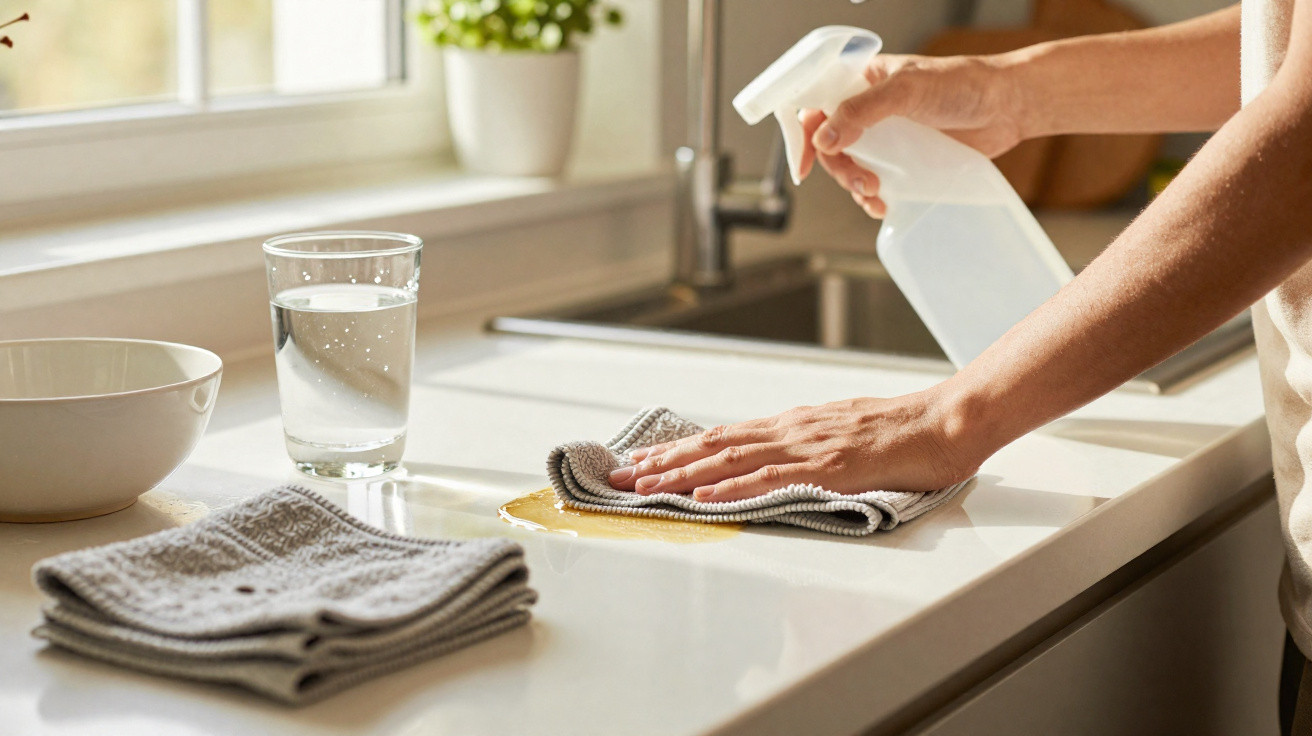
When a new spill happens, the first step never changes: blot rather than rub. Press a clean white microfibre cloth or kitchen roll against the liquid, lift it, turn to a dry section and press again. This gives you time while removing as much of the spill as possible before it penetrates the material. Only after that should you use a cleaning solution, and it needs to be mild. For most synthetic upholstery marked with a “W” or “WS” cleaning code, a small bowl of lukewarm water with a few drops of gentle washing-up liquid is more effective than harsh, heavily perfumed sprays.
Moisten a clean cloth with the soapy water, wring it out until it is nearly dry and dab from the outer edge of the stain towards the middle. Do not flood or soak the area. Next, use another cloth lightly dampened with clean water to “rinse” it, then blot with a dry towel. Allow the area to air-dry completely before using the sofa again. This gentle, gradual process lifts stains without creating water rings or rigid patches.
Plenty of mishaps begin with sensible intentions. A coffee spill appears, panic sets in and someone grabs a bleach-based bathroom spray because “it removes everything from tiles”. Applied to fabric, that approach strips colour and damages the threads. Scented wipes may seem convenient and up to date, but they can leave tacky residue that draws in more dirt. Scrubbing hard with a kitchen sponge merely drives the stain further in while roughening the surface.
Another frequent mistake for allergy sufferers is spraying powerful “fabric refreshers” directly over cushions in the belief that it “kills germs”. Often, this only covers smells, adds moisture and leaves chemicals behind in the foam. People then question why their nose tingles every time they lie down. By contrast, a HEPA-filter vacuum reduces allergens discreetly and without fragrance, particularly when used along seams and underneath removable covers.
Homes with children or pets can also encourage over-cleaning. Repeated wet cleaning over a short time can leave moisture trapped inside foam, especially in substantial armrests. A faint yet persistent odour may then emerge several weeks later. Instead, many professional cleaners advise focused spot treatment plus one thorough low-moisture clean annually for busy homes, or every 18–24 months for quieter households.
“The fabric tells you when it’s had enough,” says Marta, a professional upholsterer in Brussels. “If it starts to feel rough, shiny in patches, or stiff after drying, it’s not ‘old’ - it’s over-cleaned or cleaned the wrong way.”
Professionals often give new clients a short checklist. It helps prevent rash decisions and stops sofas from appearing ten years older in just two.
- Check the label’s cleaning code (W, S, WS, X) before doing anything to a stain.
- Try every unfamiliar product in an inconspicuous place: behind a cushion, beneath the frame or inside a fold.
- Keep moisture to a minimum; use a “slightly damp cloth”, not a “soaked sponge”.
- Blot and lift spills rather than rubbing circles as though you were cleaning a floor.
- Ensure the fabric dries fully with good airflow before putting throws back or sitting down.
Living with fabric: long-term habits that protect both health and furniture
There is something unusually personal about the places where you always sit: the dip in a favourite cushion or the faint shape left by a cat sleeping in the same corner every afternoon. As time passes, these everyday patterns create areas in which allergens gradually collect, including hair, dander, dried sweat salts and flakes of skin too tiny to notice.
A relaxed monthly routine can interrupt this pattern without making cleaning a full-time performance. Take off anything removable: loose cushions, throws and covers genuinely intended for machine washing. If you have a balcony, shake them outside. Vacuum the cushion itself as well as the space where it normally sits. For people prone to allergies, a mild fragrance-free detergent for removable covers is often gentler than any “extra strong” upholstery spray.
For households managing asthma or seasonal allergies, paying attention to fabrics can have a surprisingly strong effect. Once mattresses and sofas are cleaned and vacuumed, the need for heavy air fresheners often diminishes. The home simply smells like... nothing. Just air. That absence of fragrance can feel oddly luxurious. Some parents also begin rotating “pet blankets” on the sofa: washable throws where cats and dogs are encouraged to sleep. Most fur and dander then lands on something that can go directly into the washing machine.
There is a subtle sense of mental relief as well. You worry less about what is concealed in the cushions, spend fewer late evenings scrubbing after spills and feel more comfortable inviting friends round, even with a pale sofa. Clean upholstery does not mean living in a showroom. It means giving fabric enough care to withstand ordinary life: pizza evenings, sick days, Netflix marathons, wet dogs and everything else that comes with them.
Rather than seeing stains as crises and dust as an afterthought, you begin to understand them as parts of one story. Fabric does not demand perfection; it needs consistency. Small, regular actions maintain the balance between comfort and cleanliness. That includes the simple step you take before a spill reaches the cushion: keep a clean white cloth and gentle cleaner within easy reach of the sofa, like a small insurance policy against chaos.
| Key point | Details | Why it matters to readers |
|---|---|---|
| Know your fabric code (W, S, WS, X) | Look at the label beneath cushions or on the frame: W = water-based cleaners are safe, S = solvent-only, WS = either may be used with care, X = vacuum only. Photograph the label so you do not need to turn the sofa over again. | The wrong product can fade colours, create rings or weaken fibres. Understanding the code replaces guesswork with a clear approach and avoids costly errors. |
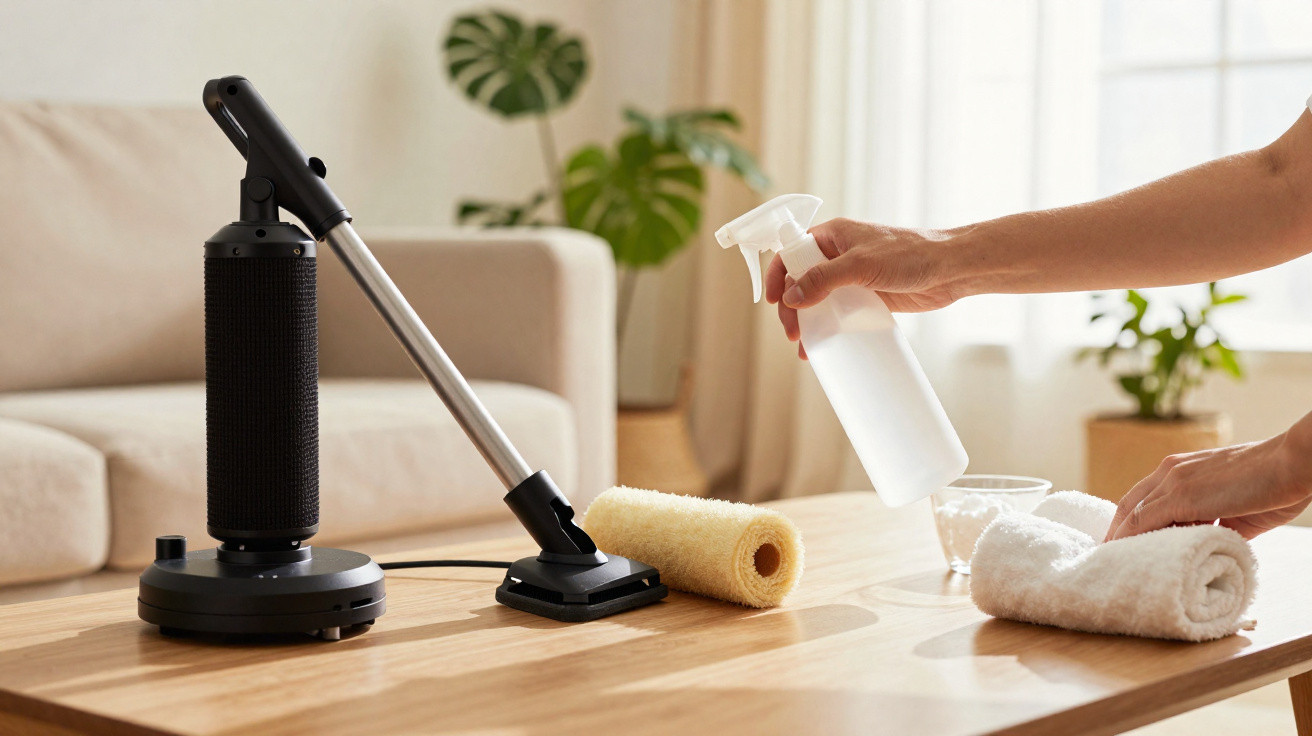
| Put together a simple “sofa first-aid kit” | Store a caddy near the living room containing white microfibre cloths, mild washing-up liquid, a small bowl, a soft brush and a spray bottle of plain water. Include one cleaner suitable for your fabric code. | When a spill occurs, you can act within seconds rather than searching beneath the sink. A quick, calm response removes more stains with less work and stress. |
| Vacuum smarter, not harder | Use the upholstery or soft-brush attachment weekly or fortnightly. Make short, overlapping strokes and focus on seams, buttoning, and areas where heads, hands and pets contact the fabric. | Light, regular vacuuming clears dust and allergens before they embed deeply. This means fewer allergy flare-ups and less reliance on harsh, fabric-damaging deep cleaning later. |
FAQ
- How often should I deep-clean my upholstered sofa? For an average household, every 12–18 months is a sensible schedule. With pets, young children or allergies, cleaning once a year alongside regular vacuuming helps keep both allergens and stains under control.
- Can I use a carpet cleaner on my couch? Only when the label states “W” or “WS” and the machine includes a dedicated upholstery attachment with low-moisture settings. Even then, clean in small sections, do not saturate the material and allow it all to dry completely to prevent mould in the foam.
- What’s the safest way to clean a mystery stain? First blot using a dry white cloth, then test plain lukewarm water on a small concealed section. If there is no discolouration, gently dab the mark. If the cleaning code is S or X, stop and contact a professional because water may worsen the problem.
- How do I reduce allergens in my sofa without strong chemicals? Vacuum cushions and seams weekly with a HEPA-filter model, wash removable covers at 40°C using a gentle detergent and ventilate the room well after cleaning. This cuts down dust mites and dander without relying on heavy fragrances.
- Is baking soda really good for upholstery cleaning? Baking soda may help with mild odours if sprinkled on dry fabric and vacuumed up after 15–30 minutes. It is not a miracle treatment for stains, and it can leave a powdery deposit on certain delicate materials, so test it first.
Comments
No comments yet. Be the first to comment!
Leave a Comment