
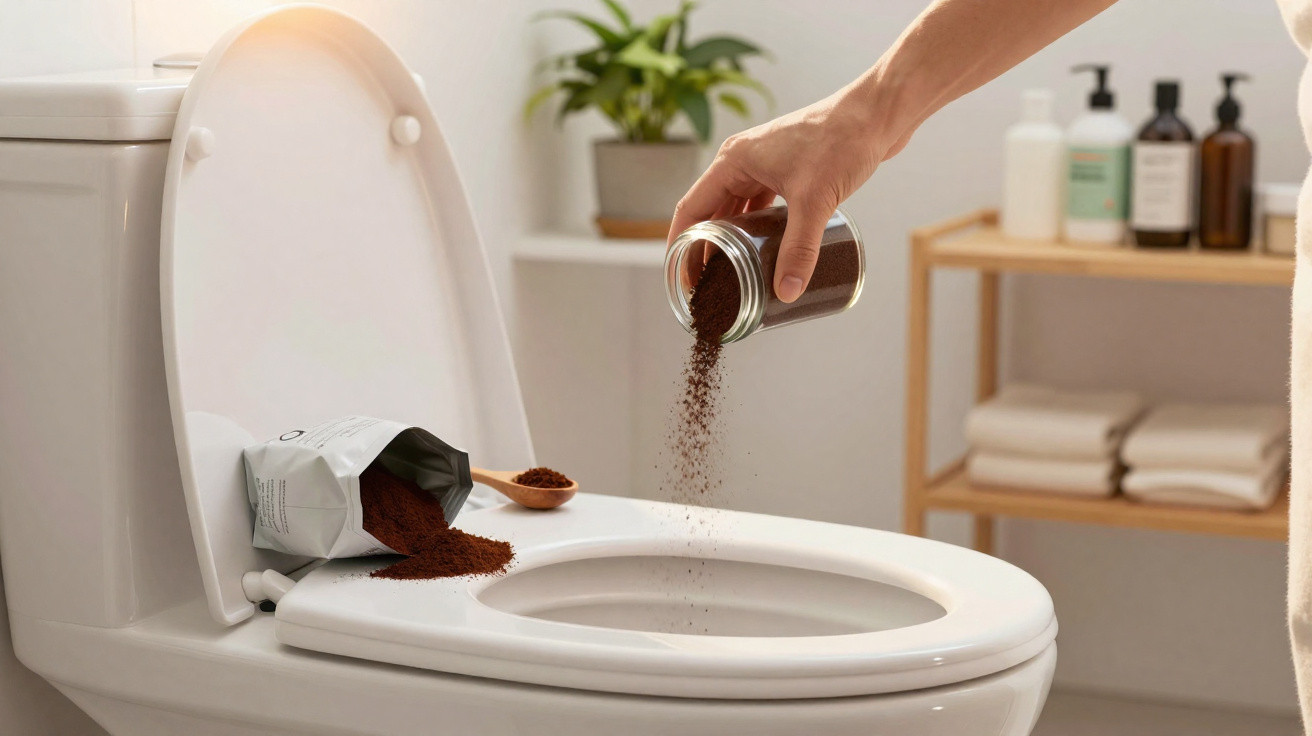
With one straightforward kitchen trick, your toilet can smell as though it has just been cleaned in a hotel.
Plenty of households know the situation: the toilet looks clean, yet there’s still a faint musty or sharp odour. It’s especially awkward when guests announce themselves at short notice and you don’t have time for a full deep-clean or to unleash harsh chemicals. Often, though, a single item from the kitchen cupboard is enough to bring the smell down to a pleasant level in just a few minutes.
Why a toilet can smell unpleasant even after cleaning
A toilet can still pong even when it’s cleaned regularly. There are several common causes:
- Build-up under the rim that’s easy to miss during a quick clean
- Limescale and urine scale in corners that are difficult to reach
- Damp, poorly ventilated bathrooms where odours linger
- Residue sitting in the waste pipes
- Smells from the drains that travel up through the toilet into the room
Right before visitors arrive, many people want to get rid of that familiar “toilet smell” without making the whole bathroom reek of strong cleaning products. That’s where simple home remedies come in: they can create a noticeably fresher impression in very little time.
Secret helper from the kitchen: coffee in the toilet
Coffee usually stays in the kitchen and helps you start the day. Yet ground coffee has another useful feature: it’s very good at binding odours. Perfumers use it, for example, to reset the nose between different scents. You can take advantage of the same effect in the bathroom.
“Coffee works like a natural odour sponge – it doesn’t just mask bad smells, it absorbs a large part of them.”
How the coffee trick works, step by step
For a quick freshness boost in the WC, you only need a few things:
- 2–3 teaspoons of ground coffee (fresh or old, but dry)
- the toilet bowl as the “target area”
- about 15 minutes
Do this:
- Flush the toilet once briefly.
- Sprinkle 2–3 teaspoons of ground coffee straight into the bowl.
- Leave it to sit for about a quarter of an hour without flushing.
- Then flush thoroughly – done.
The coffee releases its strong aroma into the room while also binding some of the unpleasant odours. Many people say the bathroom then smells like a clean hotel room, without a synthetic cloud of fragrance.
Which coffee works best?
There’s no need to waste expensive espresso. Good options include:
- budget filter coffee from the supermarket
- older, slightly stale leftover coffee grounds (dry)
- ground coffee that’s too old to drink, but still smells fine and remains dry
Important: if possible, do not use coffee that has already been brewed. Wet coffee grounds can clump and may lodge in the toilet or siphon. Dry powder rinses away far more easily.
Alternative home remedies for a fresh, clean toilet
If you don’t have any coffee in the house, or you’d like a deeper clean as well, other proven household staples can help. Many are likely already familiar from elsewhere around the home.
Bicarbonate of soda and vinegar: a classic for limescale and odour
The pairing of bicarbonate of soda (or washing soda) and vinegar is popular with people who prefer more environmentally considerate cleaning. The two react, fizzing up and helping to break down limescale and grime.
Use the mixture like this:
- Sprinkle half a cup of washing soda (or bicarbonate of soda) into the toilet
- Then slowly pour vinegar into the bowl
- Wait briefly for the fizzing, then leave it to work for 20–30 minutes
- For heavier deposits, leave it overnight
- Finally, flush thoroughly and scrub with the toilet brush if needed
“The bubbling reaction of soda and vinegar doesn’t just loosen build-up – it also reduces stubborn odours in the toilet.”
If you’re concerned about seals or delicate surfaces, avoid using too much vinegar and don’t leave neat vinegar sitting for hours on rubber or softer plastics.
Citric acid: help against urine scale and dull grey staining
Citric acid is another household option that can do a lot in the bathroom. Dissolved in warm water, it tackles limescale and urine scale and leaves behind a fresh scent.
Here’s how to apply it:
- Add three tablespoons of citric acid powder to the toilet.
- Pour in a little warm (not boiling) water so the powder spreads.
- Leave it for 15–20 minutes.
- Brush the affected areas and flush.
The benefit is that citric acid works thoroughly on limescale rings and can visibly brighten areas that have gone grey. At the same time, the light citrus smell reads as clean and fresh.
When home remedies reach their limits
As helpful as coffee, soda, vinegar and citric acid can be, some issues go beyond what these methods can fix:
- serious blockages in the pipework
- heavy urine scale that has built up over years
- leaking pipes that release wastewater smells
- faults with the siphon or the flush mechanism
If the smell returns quickly despite thorough cleaning and home remedies, it’s sensible to have a professional check the pipework. In older waste pipes in particular, internal build-up can be so severe that only professional cleaning will solve it.
Practical tips for a consistently fresh-smelling toilet
A last-minute odour fix before guests is useful, but it doesn’t replace regular maintenance. If you want a toilet that stays pleasant day to day, a few simple habits can help:
- Clean under the rim regularly with a brush and cleaner, not only the visible areas
- At least once a week, use a soda-and-vinegar mix or citric acid to prevent build-up
- Ventilate the bathroom well – after showering and after using the toilet
- Clean the toilet brush regularly with hot water and a little cleaner
- Keep surfaces around the toilet dry to stop biofilm forming
Some people also use neutral odour absorbers such as activated charcoal or special gel pads, which don’t cover smells but bind them. Compared with heavily perfumed sprays, this feels subtler and less artificial.
Safety and the environment: what you should avoid
It’s common for households to mix different cleaners by instinct. That can be risky. Certain combinations create irritating gases or damage materials. Mixing the following is particularly problematic:
- chlorine-based cleaner with vinegar
- chlorine-based cleaner with acidic toilet cleaners
- multiple highly concentrated products at the same time
It’s safer to choose one method, let it work, flush thoroughly, and only then use another product if necessary. If anyone in the home has sensitive airways, or if there are children around, mild household remedies can be a far more comfortable option.
How often is the coffee trick actually worth doing?
Using coffee in the toilet is best as an emergency fix or for specific situations: when guests are on the way, after a stomach bug in the household, or after a longer absence when the bathroom has gone a bit stale.
In everyday life, it’s usually enough to clean thoroughly once or twice a week and use soda, vinegar or citric acid from time to time. If you rely on the coffee trick too often, you simply end up flushing unnecessary amounts of coffee down the pipework. That’s generally harmless, but it doesn’t add any extra benefit.
As a rule of thumb: coffee is the quick scent booster for special moments, while home remedies like soda, vinegar and citric acid are the foundation for long-term cleanliness.


Comments
No comments yet. Be the first to comment!
Leave a Comment