
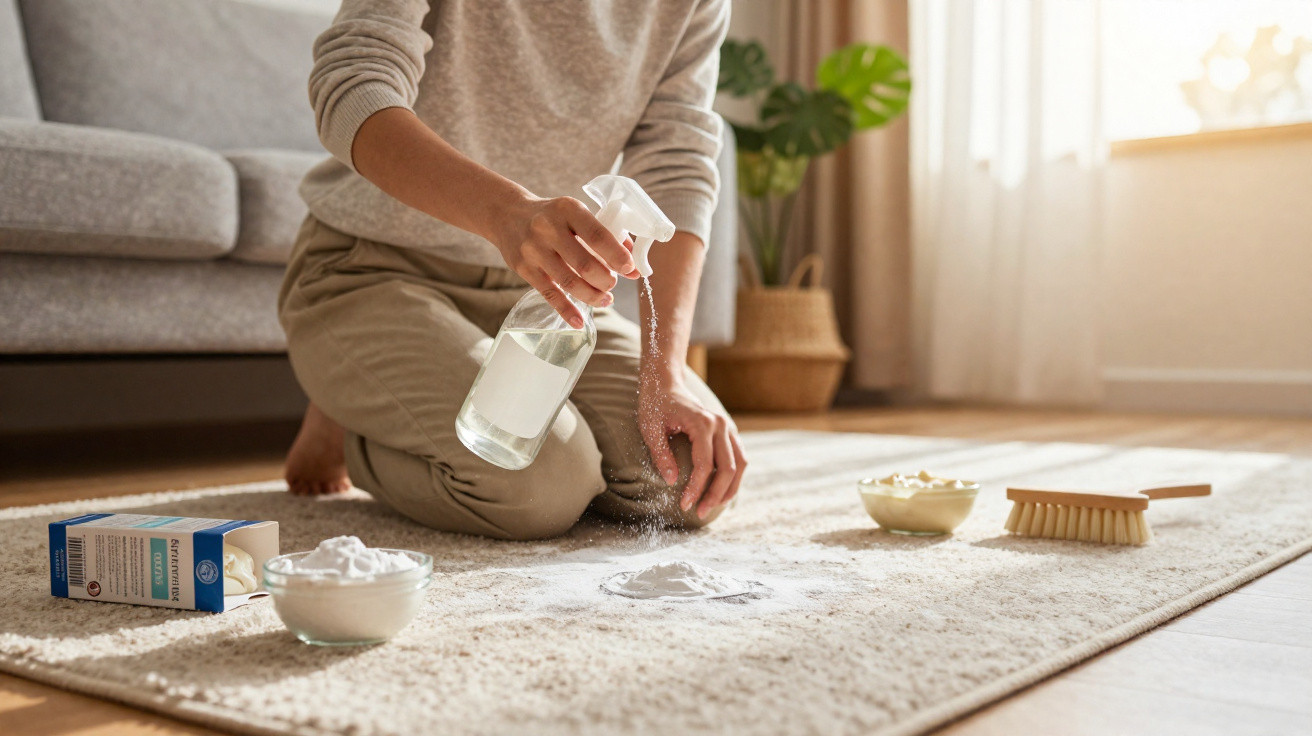
Many households deal with stains, a dull grey film and lingering odours in their carpet. Specialist carpet cleaners from the chemist can be pricey, harsh and strongly scented. In many cases, the answer is already in your kitchen cupboard: a simple home-made mix can clean carpets, trap smells and brighten colours with very little effort.
Why so many people are returning to home remedies for carpets
Carpets are simultaneously dust traps, odour reservoirs and stain magnets. In the space between the sofa and the coffee table, everything that drops in daily life ends up collecting: coffee, crumbs, pet hair and street dirt. Especially ahead of holidays or when guests are due, you often want the carpet to look presentable quickly-without paying for a professional clean.
The combination of bicarbonate of soda and a vinegar-based cleaner lifts dirt, neutralises odours and is gentle on most synthetic carpets.
The key is a quick, home-mixed cleaning paste. It costs only a few pence, takes seconds to make and, according to many users, performs better than plenty of specialist products from the chemist.
The basic recipe: a cleaning paste made from bicarbonate of soda and vinegar
At the centre of this method is bicarbonate of soda (the everyday food-grade powder often used in baking). Mixed with a little vinegar-based cleaner, it forms a paste that draws grime out of the pile and helps bind unpleasant smells.
How to mix the paste properly
- Put 2 tablespoons of bicarbonate of soda into a small bowl.
- Add 1 tablespoon of clear vinegar-based cleaner.
- Pause briefly until it foams slightly-this is normal.
- Optional: add a splash of hot water and a drop of washing-up liquid if you’re dealing with greasy marks.
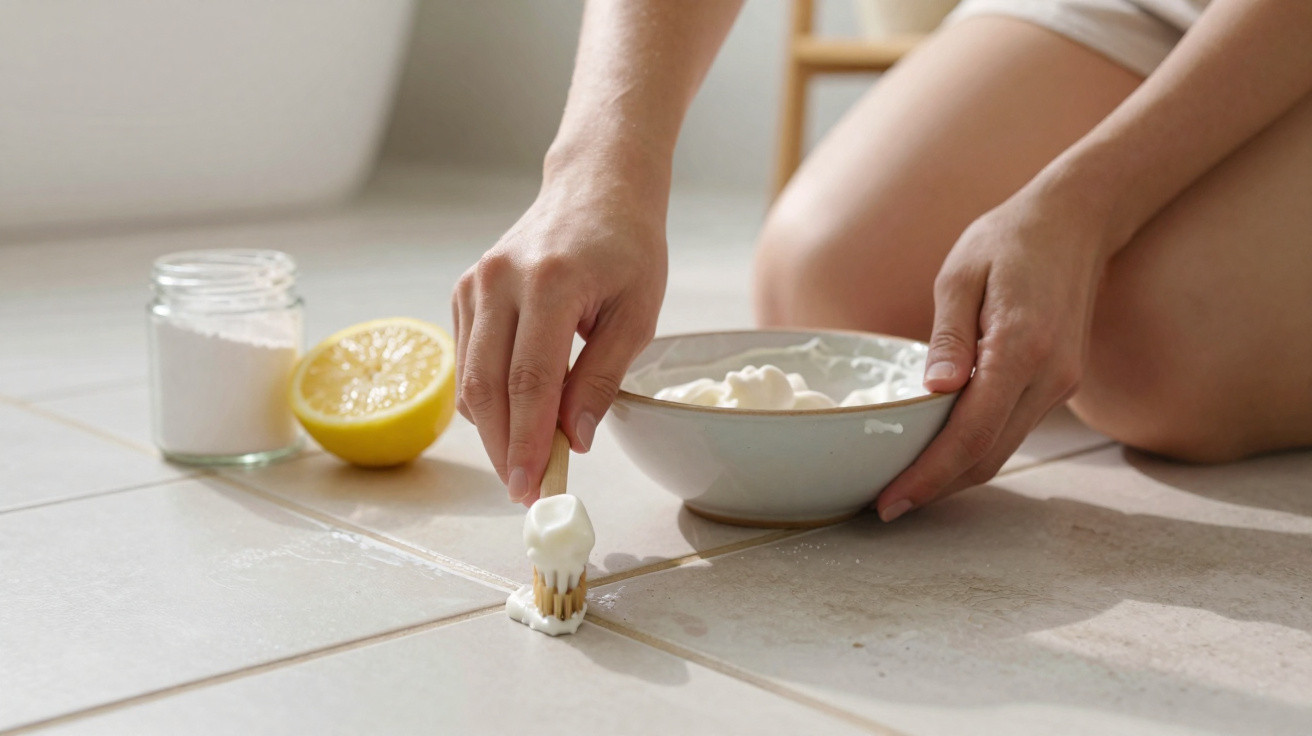
The paste should stay thick and workable-more like toothpaste than a soup. It needs to spread easily, but it should not soak deep into the carpet.
The mixture should sit on the fibres, not disappear into the backing of the carpet.
Only add enough water to create a smooth paste. If it starts running off the spoon, you’ve made it too thin.
Step by step: treating stains in a carpet
Before you apply the paste to any spot, the carpet needs the right preparation.
Prep work: don’t skip the vacuuming
Start by vacuuming thoroughly. Crumbs, dust and pet hair need to be removed; otherwise, they combine with the paste into a greasy, muddy layer that is difficult to get back out.
Applying it without damaging the carpet
- Put a small amount of paste on your fingertips or on the soft side of a sponge.
- Spread it gently over the stain, always working with the direction of the pile-never across it or against it.
- Don’t scrub and don’t rub; the paste should sit on top rather than being forced downwards.
- Leave it for a few minutes until the surface feels drier and the paste shifts slightly in colour.
During this time, the dirt transfers into the paste and releases from the pile. Then leave the paste undisturbed for 15 to 20 minutes.
Once it has dried, lift off the residue with kitchen paper or a mop head and allow the carpet to dry completely. Afterwards, vacuum carefully so that all dried bicarbonate of soda is removed.
When the whole carpet looks tired
With small runners, bath mats or synthetic kitchen rugs, tackling only individual marks is not always enough. In those cases, treating the surface more broadly can make more sense.
How to refresh a small carpet all over
A full refresh is particularly worthwhile for bathroom and kitchen rugs:
- Vacuum the carpet first.
- Spread the paste in a thin layer across the entire surface.
- Use the soft side of a sponge.
- Let it sit for a few minutes.
- Wipe away any excess with a cloth.
Afterwards, the fibres often look noticeably clearer, the grey film in high-traffic areas fades and colours appear brighter. The key point remains: the carpet should become only slightly damp, not soaking wet.
Only odour, no visible dirt? Plain bicarbonate of soda is enough
If the carpet looks fine but smells musty-such as from pets, cigarette smoke or damp shoes-you don’t necessarily need a paste. Bicarbonate of soda on its own works like an odour eraser.
Using bicarbonate of soda as carpet powder
- Sprinkle a fine, even layer of bicarbonate of soda over the dry carpet.
- Rub it in lightly by hand so the powder distributes between the fibres.
- Leave it for at least 30 minutes; for strong odours, leave it overnight.
- Vacuum thoroughly the next day, preferably slowly and in several passes.
Bicarbonate of soda absorbs moisture, fluffs up the pile and neutralises odours without leaving a scent of its own.
For larger areas, it can be worth buying bicarbonate of soda in 1 kg packs, as sold by chemists or online shops. Over time, this works out far cheaper than lots of small sachets from the supermarket.
Common mistakes when cleaning carpets with home remedies
The method is straightforward, but there are a few pitfalls. Knowing them helps you avoid tide marks, discolouration or carpets that dry wavy.
These mishaps happen most often
| Mistake | Result |
|---|---|
| Too much water in the paste | Carpet becomes waterlogged; edges and marks appear as it dries |
| Vigorous scrubbing | Dirt is pushed deeper into the pile and the stain spreads |
| Not vacuuming beforehand | A muddy layer forms from dust, bicarbonate of soda and liquid |
| Not vacuuming afterwards | Residue stays in the carpet and feels gritty |
| Using vinegar on delicate fibres | Discolouration, a dull finish, and in extreme cases fibre damage |
Which carpets this method suits-and which it doesn’t
The bicarbonate-of-soda-and-vinegar paste is primarily intended for modern synthetic carpets-such as polyester, polypropylene and similar man-made fibres commonly found in living rooms, kitchens and bathrooms.
On delicate natural fibres, vinegar can permanently damage the pile-so it’s better to avoid the paste.
Take particular care with the following materials:
- wool carpets
- viscose rugs
- hand-knotted Oriental rugs
- very fine natural fibres (e.g. sisal, certain blended weaves)
On these, vinegar can darken the pile, leave it looking flat and dull, or effectively “etch” the structure. In those cases, opt for plain bicarbonate of soda as an odour remover or choose a professional clean.
Getting more use out of bicarbonate of soda around the home
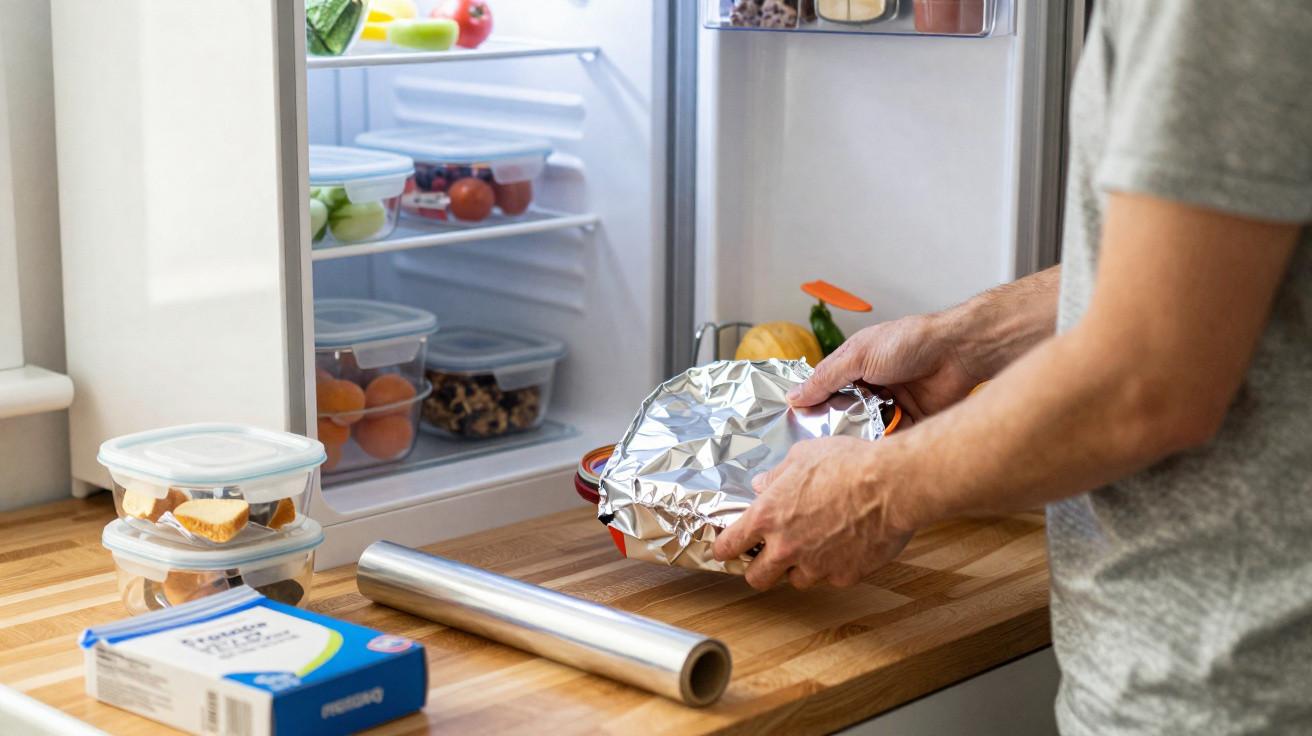
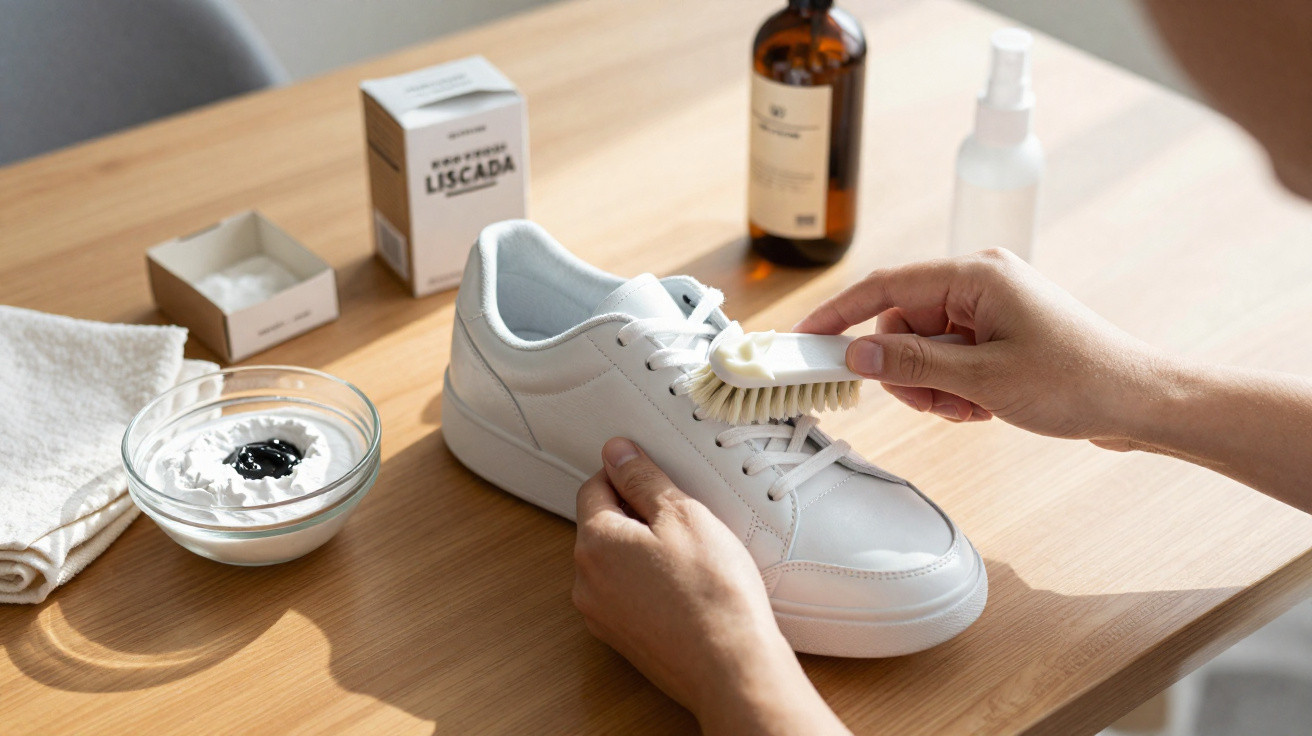
If you keep a larger pack of bicarbonate of soda at home, you can use it for far more than carpets. The powder is handy for cleaning fridges, neutralising smells in shoes, or as a gentle scouring aid for sinks and basins.
You can even wipe down furniture fronts with a mild bicarbonate-of-soda solution: dissolve a little powder in warm water, wipe the surfaces with a well-wrung cloth, then dry with another cloth. This removes dust and fingerprints without stressing the finish, and the home looks noticeably fresher.
If you live with pets or children, you may benefit most: bicarbonate of soda is generally much milder than aggressive cleaners, is less likely to irritate mucous membranes and doesn’t leave a chemical smell. Even so, it’s always worth doing a quick test on an inconspicuous area before treating a large carpet fully.
Comments
No comments yet. Be the first to comment!
Leave a Comment