
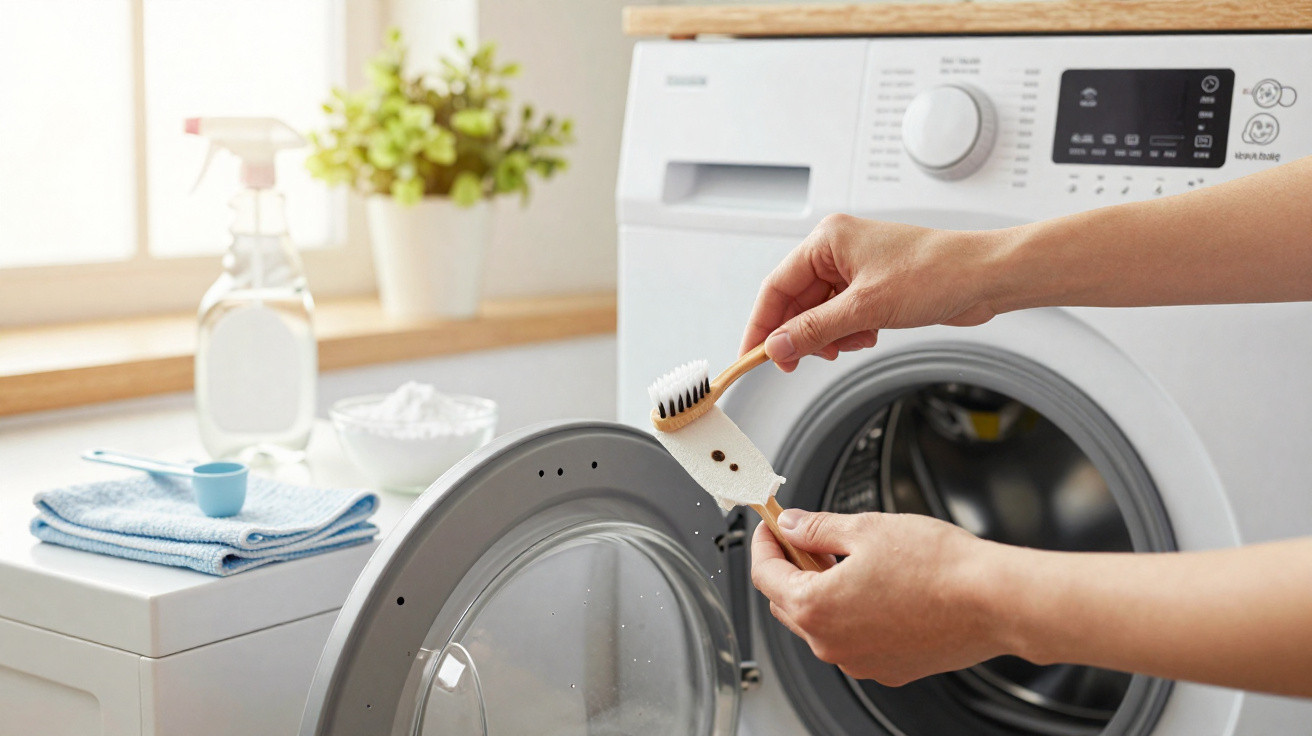
The door seal is the point where heat, moisture and detergent meet, making it an ideal breeding ground for mould, unpleasant odours and concealed grime.
What is actually growing on your door seal?
Dark marks on the rubber gasket do not normally develop in a single night. In most cases, they begin as a barely visible, slimy layer. Known as biofilm, this layer develops when detergent residue, skin cells, fibres and hard-water minerals combine and remain wet.
Fungi, particularly moulds, thrive in these conditions. They consume tiny traces of dirt and soap scum before spreading through a web of fine threads. Bacteria also establish themselves in this same layer, contributing to the recognisable smell of “wet laundry left too long”.
Most mouldy door seals come from one simple pattern: warm washes, too much detergent, and a machine that never properly dries.
Eventually, the rubber may become permanently stained. In severe situations, the seal can split, leak, or hold enough grime for clothes to gain odours in the wash rather than having them removed.
Why the door rubber attracts mould so easily
Constant moisture and trapped water
The seal is positioned at the coolest section of the door, where condensation develops as warm drum air meets the colder air outside. Droplets gather in its creases and shallow pockets, often remaining damp for many hours.
After every programme, many modern washing machines retain water behind the seal. Just a few millimetres of standing water can allow airborne spores to settle and begin to grow. When several washes are done each week, the seal has little chance to dry properly.
Detergent misuse and low-temperature cycles
Energy-saving wash habits, commonly based on cycles of 30–40°C, reduce electricity use and are gentler on fabrics. However, they do not always fully dissolve grease and body oils. Cooler water leaves more deposits inside the drum and around the rubber.
Manufacturers frequently identify another common issue: users add much more detergent than necessary. The excess does not make laundry cleaner. Instead, it sticks to internal surfaces, builds up the biofilm and provides more material for mould to attach to.
- Too much liquid detergent = sticky film on seal and drum
- Frequent short cycles = less time to rinse away residues
- Rare hot washes = more microbes surviving in the machine
How everyday habits feed the problem
Minor everyday habits can speed up the accumulation of residue. Keeping damp washing in the drum for hours increases humidity, while shutting the door as soon as a cycle ends traps warm, moist air. Together, these habits turn the seal into a small incubator.
Pet fur, make-up left on garments, tissues forgotten in pockets and excessive fabric softener all introduce extra organic material. Each particle that reaches the seal can become a food source for mould.
Think of the door seal as the washing machine’s gum line: if you never clean there and keep it wet, something unwanted will grow.
Health and hygiene concerns you should not ignore
In many homes, mould on the seal is not simply an appearance issue. Those with asthma, allergies or sensitive skin may react to spores and microbial by-products released during a wash.
Some symptoms are mild, such as itchy skin after wearing newly washed clothing, a runny nose, or a slight cough in the laundry area. Reactions can be more pronounced in compact, poorly ventilated rooms, where spores remain airborne for longer.
| Issue | Possible link to mouldy door seal |
|---|---|
| Persistent musty smell on clothes | Volatile compounds from mould and bacteria during each wash |
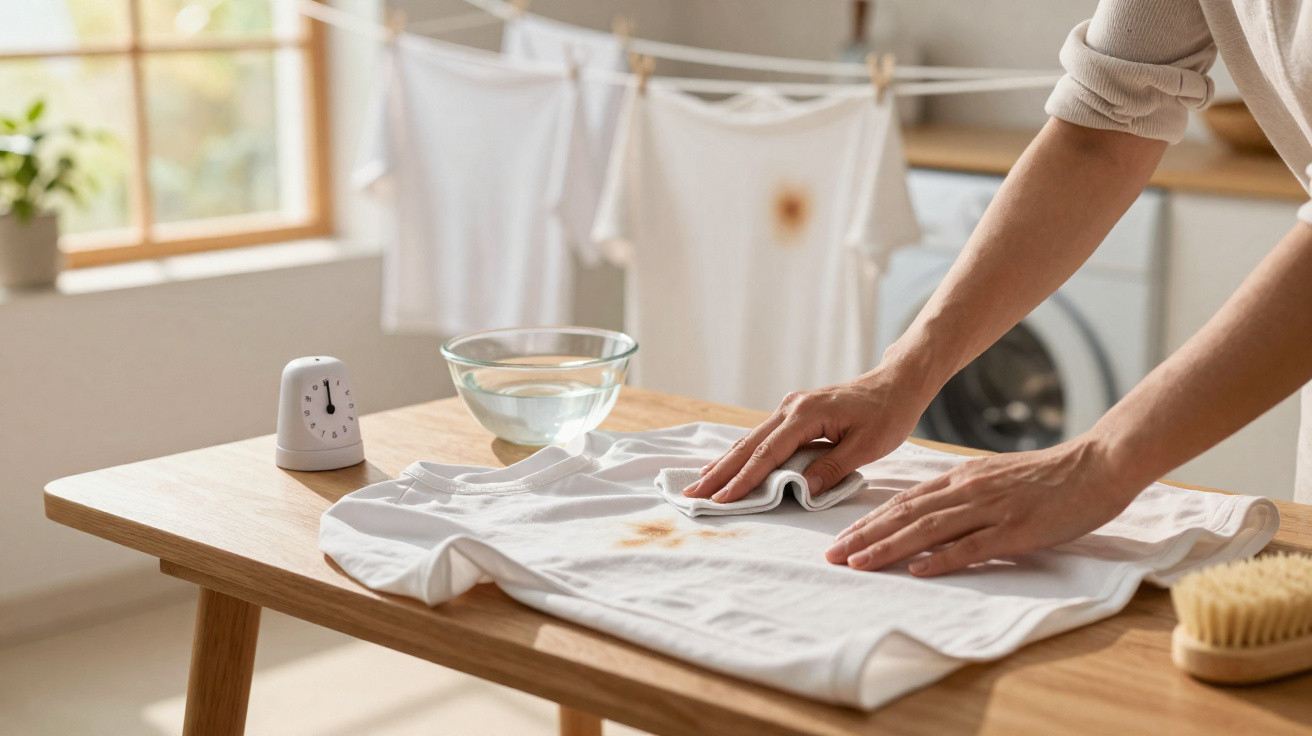
| Grey film on light fabrics | Biofilm and residue transferred from the rubber seal |
| Itchy patches where clothes rub the skin | Contact with allergenic mould fragments or detergent build-up |
| Condensation and damp smell in laundry area | Moist machine plus spores spreading into the room |
Building-hygiene specialists generally class washing machines alongside damp window frames and poorly ventilated bathrooms. On their own, they seldom cause serious illness, but they can increase the overall level of mould exposure within the home.
How to clean a mouldy washing machine door seal
Step-by-step deep clean
When mould is already visible, a thorough one-off clean can provide a fresh start. Put on household gloves, particularly if you are sensitive to detergents or cleaning products.
- Switch off and unplug the machine to work safely.
- Inspect the seal by carefully pulling back its rubber folds to check for concealed grime and slime.
- Remove loose debris including lint, coins and hair using paper towels.
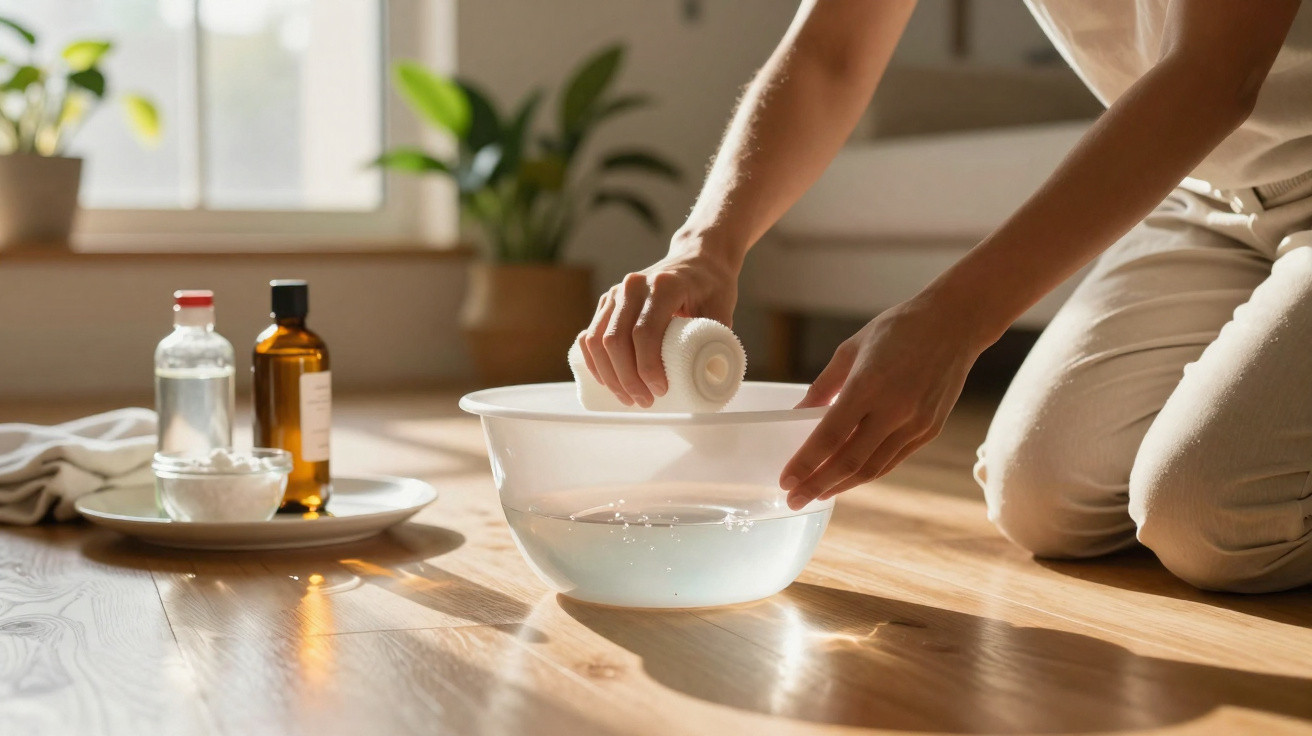
- Apply a cleaning paste: combine baking soda with a little water, or choose a non-bleach bathroom cleaner that is suitable for rubber.
- Scrub carefully using an old toothbrush or soft brush, getting into the grooves where mould collects.
- Rinse with a damp cloth until all foam and cleaning residue have gone.
- Run a hot maintenance wash at 60–90°C with an empty drum to remove loosened dirt.
- Dry the seal with a clean towel, then leave the door ajar until the area is completely dry.
If stains stay after a deep clean but the surface feels smooth and dry, the seal may be discoloured rather than still infected.
When to consider replacing the seal
Rubber that is brittle, cracked or badly pitted cannot be cleaned completely. Older machines can develop black mould deep within the material, where brushes and sprays cannot reach it.
Replacement seals are often more affordable than people assume, especially for widely used front-loading models. Fitting a new gasket removes mould, can prevent small leaks and may reduce energy loss while the machine heats water.
Simple habits that prevent mould from returning
Let the machine breathe
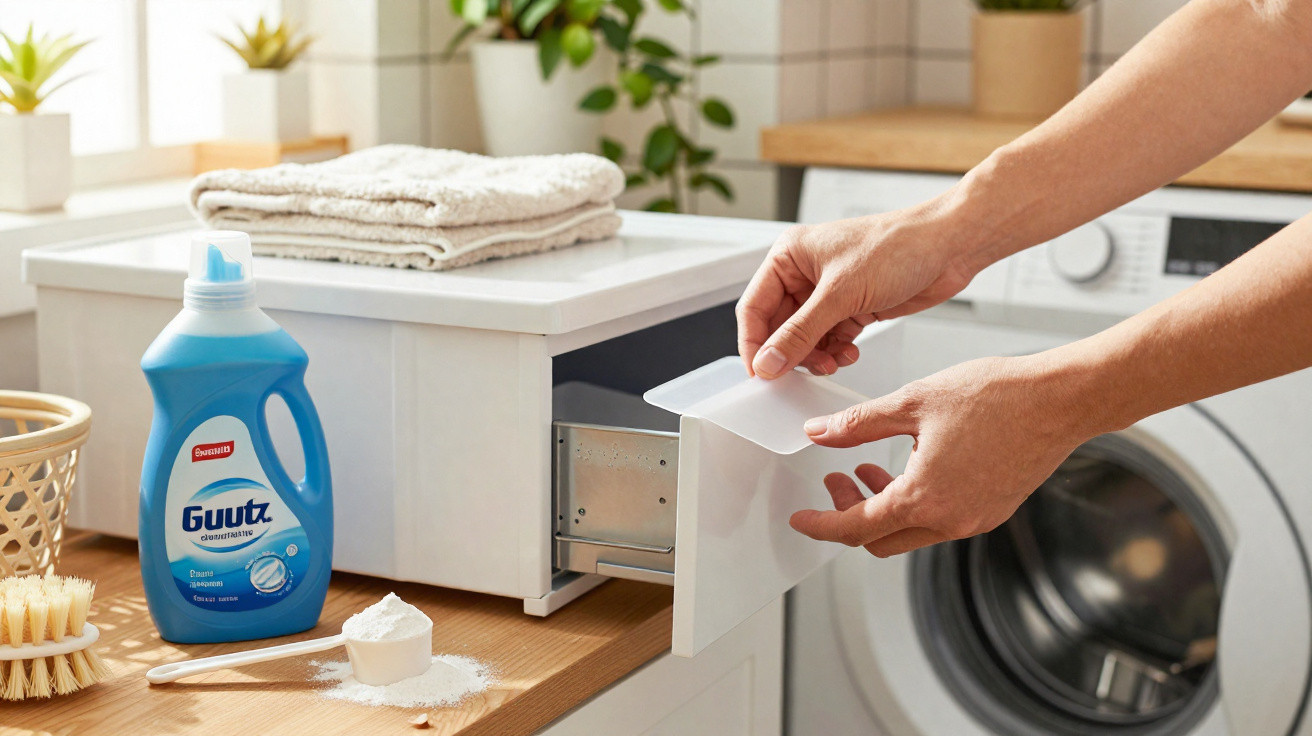
Good airflow makes a major difference. Take wet laundry out promptly after every wash and leave the door slightly open. Where the detergent drawer can be pulled out, leave it partly open too. This lets dry air move through the drum, seal and dispenser.
Drying the seal with a cloth once or twice weekly takes under a minute and removes the moisture layer mould requires to return.
Rethink your detergent routine
Dose detergent according to the label instructions and your water hardness rather than estimating “by eye”. Homes in hard-water areas may require slightly more product, but not twice as much. Machine-formulated powder detergents can leave fewer sticky deposits on seals than heavy liquid formulas.
At least once a month, run a 60°C wash with towels or bed linen. This “hygiene cycle” helps remove fats and biofilm that standard cooler programmes can leave behind.
Keep the drawer and filter clean
Both the detergent drawer and drain filter can direct dirt towards the seal. Remove the drawer regularly, rinse it with warm water and scrub away any slimy build-up. Open the filter flap as instructed in the manual, put a shallow tray beneath it, then remove lint and small items.
A clean drawer, filter and drum form a chain: if one area stays dirty, the next one in line, often the seal, will suffer.
What this trend reveals about modern washing habits
Reports of mouldy door seals have increased alongside the adoption of energy-efficient machines and cooler wash programmes. Efforts to use less electricity and protect fabrics have altered both how long water remains in the drum and the temperatures reached. Manufacturers are quietly refining designs and adding self-cleaning cycles, although many owners do not use them.
The balance between hygiene and efficiency is likely to influence the next generation of appliances. Certain brands are testing antimicrobial seal coatings, internal UV lights and steam bursts. While these additions may be useful, they cannot replace ventilation and routine cleaning.
Additional tips for a healthier laundry routine
A few further habits can improve the condition of the door seal as well as overall laundry hygiene. Do not overload the drum: garments need room to move, allowing detergent to rinse away correctly rather than gathering at the front of the machine.
Consider alternating products by using fabric softener less frequently and substituting some cycles with white vinegar in the rinse compartment. Vinegar can help dissolve minerals and soap film, leaving less residue on the seal. In households with babies, pets or allergy sufferers, it may be helpful to plan a monthly “machine health check”: briefly inspect the seal, drawer, filter and hoses. These simple checks can identify early mould marks or leaks before they become costly repairs.

Comments
No comments yet. Be the first to comment!
Leave a Comment