

The laundry basket is still warm as you take the washing out.
The shirts feel soft, the towels are fluffy, and there is a light cloud of detergent that almost recalls a hotel room. Hanging everything up, pairing the socks and admiring the neat stack gives you a strangely satisfying feeling. A few hours later, you reach for a T-shirt to get dressed, bring it to your nose and notice it: a dull, stale, faintly sour odour that is difficult to describe. Clean, but not truly clean.
You smell it again, more carefully this time, and wonder whether it is in your imagination. You pick another T-shirt. It has the same odour. Soon, you are questioning your washing machine, detergent and entire laundry routine. Is the issue the water, the drum or you? The odd part is that the clothes look immaculate. There is no visible grime or staining, only that persistent mustiness lingering like an unwelcome visitor.
Something unseen is living rent-free in your wardrobe.
Why “clean” laundry can smell like a damp basement
Musty washing does not begin in the wardrobe; it starts far earlier. The smell you detect days afterwards often develops during the first hour after the spin cycle finishes. Clothes leave the drum warm, wet and full of microscopic life. When they remain crumpled in the machine without airflow, they become the ideal slow cooker for bacteria and mildew.
That gentle old-towel odour is not simply “humidity”. It comes from volatile compounds created when microbes feed on sweat residue, skin cells and detergent left behind. Fibres hold on to these smells, particularly cotton and sports fabrics. So, when a T-shirt gives off that swamp-like note, you are effectively smelling the record of how long the washing remained damp in the dark.
At times, the clothes are not the real issue at all: the machine cleaning them is. A drum covered in greyish sludge - a combination of detergent, fabric softener, limescale and dirt - turns into an odour factory. Every fresh load is washed through this invisible mixture. Costly detergent pods and scented softener cannot prevent those musty compounds from transferring back to your “fresh” clothes.
Imagine a young couple in a small city flat who are convinced their new washing machine is faulty. Two days after every wash, their clothes smell of wet dog. They change detergents, trying sensitive formulas, eco brands and heavy-duty pods. Nothing else in their routine changes. By the middle of the week, the laundry still smells wrong. Thinking the wardrobe is to blame, they begin keeping clothes in sealed boxes.
One evening, they eventually pull back the machine door’s rubber seal. Beneath it are hidden slime, black marks and a faint sour smell coming directly from the gasket. They run an empty 90°C cycle with washing machine cleaner, wipe the seal and clean the detergent drawer. The following day, for the first time in months, their clothes smell properly neutral. Not strongly perfumed - simply not stale.
This situation occurs more often than people acknowledge. A survey by a major appliance brand found that many people wash at 30°C or 40°C nearly all the time. While low temperatures reduce energy use, they also allow biofilm to accumulate quietly inside washing machines. Eventually, this biofilm provides a comfortable home for odour-producing bacteria and mould. Laundry travels through it, takes on the appliance’s “house smell”, then brings it into your drawers.
The principle behind musty laundry is harshly straightforward. Smells develop when moisture remains for too long alongside organic matter, without enough air movement or heat. This may mean sweat that was not completely removed, towels left rolled up, socks kept balled together or a full drum that never rinses properly. Each minor shortcut contributes. Machine design matters as well: front-loading machines are more likely to retain moisture in rubber seals and concealed corners.
Detergent dosage has more influence than most people realise. Too little means sweat and bacteria are only partly removed. Far too much leaves a tacky coating on both the fibres and the drum. Microbes feed on that coating, while it also holds odours in place. Fabric softener can have the same effect, especially with towels and sportswear. The outcome is clothing that appears spotless but retains a lingering “gym locker” note that will not disappear.
How to stop the musty laundry cycle - and prevent its return
The quickest way to reduce musty odours is to tackle the period when washing stays damp. Transfer clothes from the machine to the drying area as soon as the programme ends. Not “later this afternoon”: do it within an hour. Arrange items so that air can move around them properly: hang T-shirts from their shoulders, open jeans out fully and spread towels wide. Thinner layers dry sooner, leaving bacteria less opportunity to multiply.
If you use a tumble dryer, avoid filling it too tightly. A smaller load on a slightly longer cycle dries more consistently and allows odours to escape, rather than trapping them in damp areas. When air-drying indoors, position a clothes airer away from walls and close to an open window or fan. An inexpensive fan on a low setting can do more to keep laundry smelling fresh than the priciest perfume-scented softener.
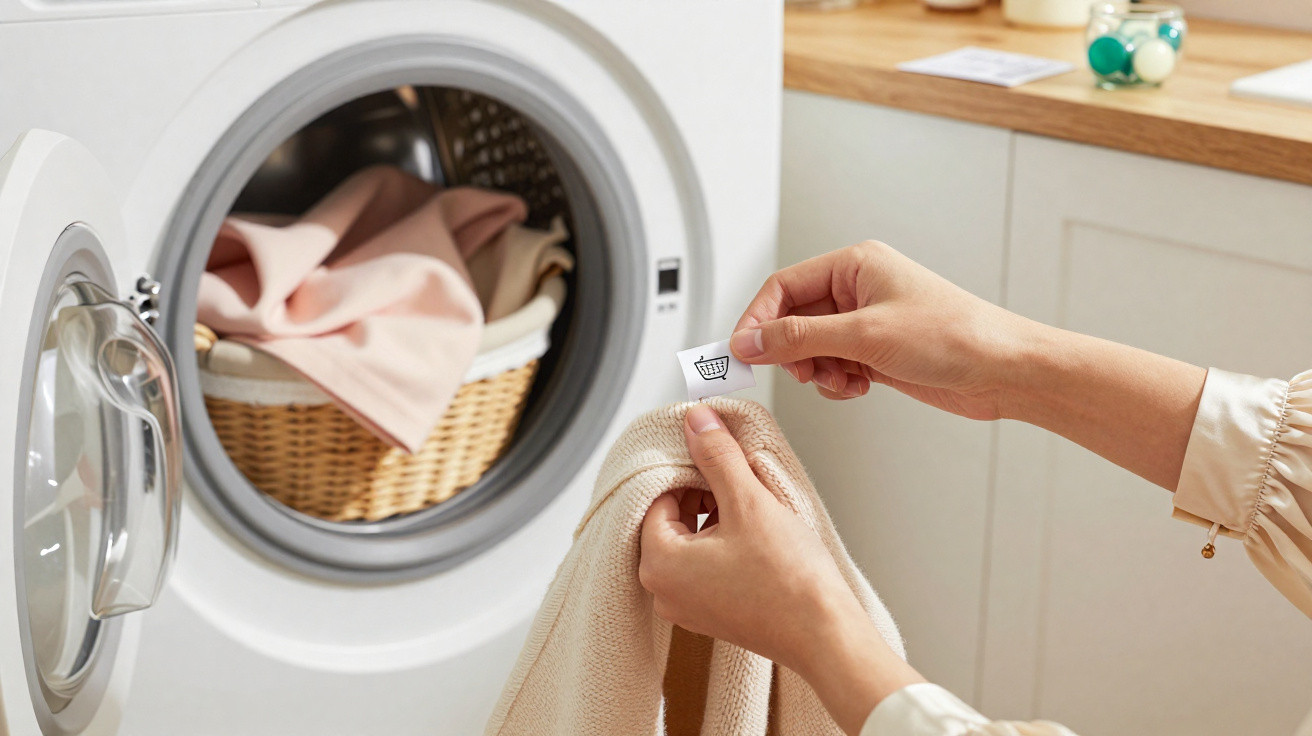
Hot water is another understated ally. It is not necessary for every wash, but it is useful on a regular basis. Wash bedding and towels at 60°C where the care label permits it. That dose of heat helps refresh both the fibres and the machine. Sportswear needs more care, so choose a long programme and a good liquid detergent rather than forcing everything into a “quick wash”. Short programmes often rinse less thoroughly, leaving body odour and detergent together in the fabric - which is effectively inviting problems.
The washing machine itself also needs attention. Giving it a deep clean once is not obsessive; it simply gives you a reasonable chance of solving the issue. Remove the detergent drawer and wash away any slimy build-up. Use a cloth and a little white vinegar to wipe inside the drawer compartment. Inspect the rubber door seal too: carefully pull it back and remove black marks, trapped socks or coins hidden inside.
Next, run an empty maintenance wash. Select the hottest programme, place either a dedicated washing machine cleaner or a cup of white vinegar in the detergent compartment, and allow the cycle to finish. Repeat this every month or two, particularly if you generally wash at low temperatures. Between loads, leave the door and drawer open so the interior can dry. It may not be the most attractive look, but it prevents the drum from becoming a miniature indoor swamp.
Let’s be honest: nobody really does all of this every day. The aim is not perfection, but a stronger baseline. If your washing routine is chaotic, begin by changing one or two habits. It could be “no more leaving laundry in the drum overnight” or “one hot wash per week for towels and sheets”. Small routine changes can have a major effect on long-term odour.
“Fresh laundry doesn’t really have a smell. It just smells like nothing. What people really want is the feeling that comes with that nothing – the sense that yesterday’s sweat, stress and city air are gone.”
For persistent smells, particularly in sportswear or older towels, pre-treating items can help. Before washing, soak them for 30 minutes in lukewarm water with a small cup of white vinegar. Vinegar can break down residue and neutralise odours without making your clothes smell of salad afterwards. Do not mix it with bleach, however, and do not use it excessively on elastic fabrics.
- Measure the detergent correctly for your water hardness and the size of the load.
- Avoid fabric softener on towels and sportswear, as this prevents residue build-up.
- Alternate between two towel sets so that each set can dry completely between uses.
- Dry the bathroom well: open windows, use the fan and do not leave piles of washing on the floor.
The quiet relief of laundry that genuinely smells of nothing
There is a subtle, personal pleasure in opening your wardrobe and finding... nothing. No burst of old damp, no perfume attempting to conceal something less pleasant beneath it, only neutral fabric ready for another day. It is not the sort of achievement you share online, but it can transform the start of your morning. You take out a T-shirt without having to question it with a doubtful sniff.
We can all put up with small irritations for much longer than necessary. Musty laundry becomes background noise, mentally labelled as “this is simply how my home smells”. Then a guest remarks on a “slight damp smell”, or you move home and discover that your clothes have carried the scent with them. Odours tell stories about how we live with water, warmth and time. Rewriting those stories depends less on miracle solutions than on small actions repeated consistently.
There is something unexpectedly empowering about understanding the science concealed in something as ordinary as a laundry basket. Moisture, microbes and residues become manageable once you can recognise them. Respond with curiosity rather than guilt: try a hotter cycle, give clothes more space on the airer and clean the washing machine as you would a sink used for cooking every day. If you have quietly felt alone with this problem, talk about it - discovering how many people are fighting the same invisible smell can be reassuring.
| Key point | Detail | Benefit for the reader |
|---|---|---|
| Moisture + time = odour | Clothes left damp for too long encourage bacteria and mould | Understand where the problem begins so you can act at the right time |
| Dirty washing machine | Detergent residue and biofilm in the drum and seals | Identify a hidden cause many people overlook |
| Simple routine to adopt | Dry quickly, clean the machine, measure detergent and ventilate | Have a practical plan for removing the smell over the long term |
FAQ:
- Why do my clothes smell musty even after washing them twice? The cause is often deeper than the fabric itself. A dirty drum, overloaded loads or low-temperature cycles can leave bacteria and residues behind, so washing again without addressing those factors merely produces the same result.
- Will vinegar damage my washing machine or clothes? When used in small quantities and not with every wash, white vinegar is generally safe. Do not use it on delicate elastic materials, never combine it with bleach, and regard it as an occasional aid rather than a daily routine.
- Is fabric softener making my laundry smell worse? It can be. Softener coats fibres, which traps odours and creates residue inside the machine. It is often preferable to avoid it on towels and sportswear, or to use much less than the cap recommends.
- How long can wet laundry stay in the machine before it starts to smell? In a warm, closed drum, microbes begin multiplying rapidly within a few hours. Many people notice odours after roughly 8–12 hours, so removing the load as soon as possible makes a real difference.
- Do I need to buy a new washing machine to get rid of the smell? Usually, no. Thoroughly cleaning the drum, drawer and rubber seal, together with one or two hot maintenance cycles, resolves the issue in most cases. Replacing the machine only makes sense where there are other serious faults.




Comments
No comments yet. Be the first to comment!
Leave a Comment