
The key to fragrance that lasts is usually not a more powerful fabric softener, but using your washing machine correctly. An increasing number of cleaning specialists say one commonly overlooked feature – a concealed filter or “secret button” – can make a major difference to how your laundry smells.
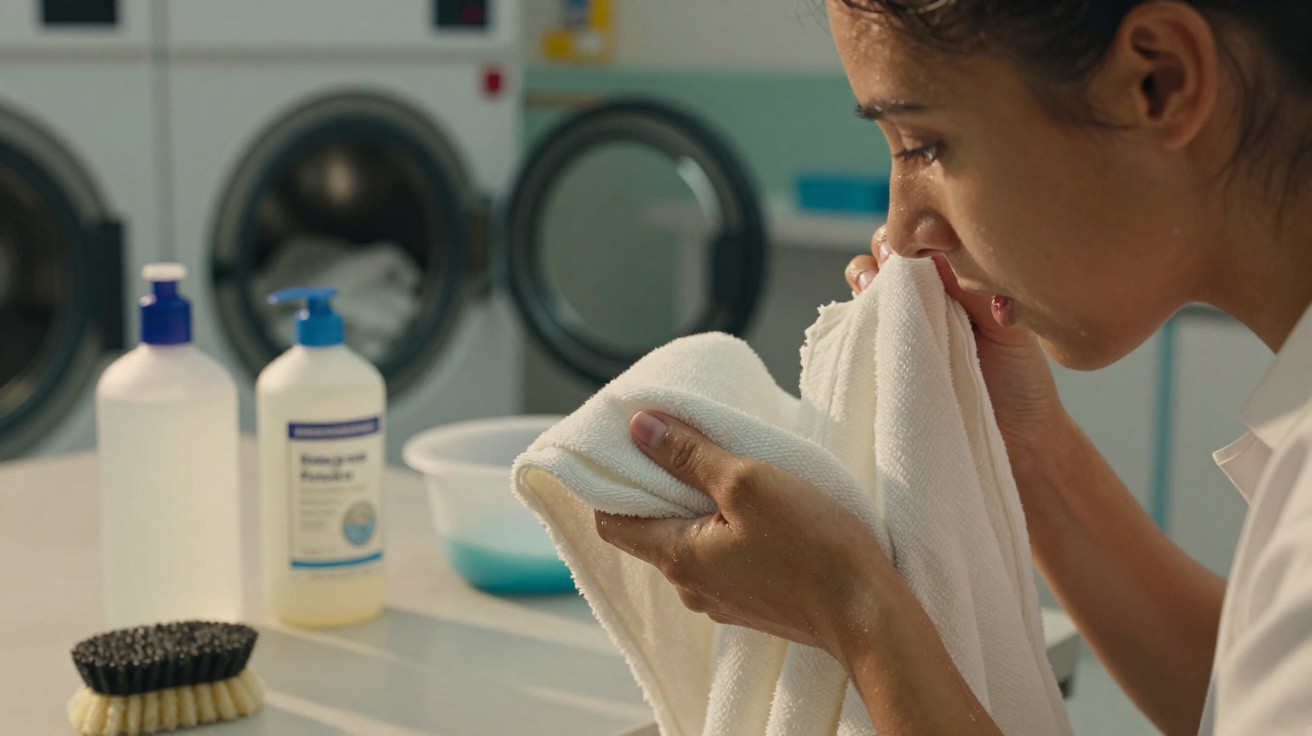
Why freshly washed clothes can still smell bad
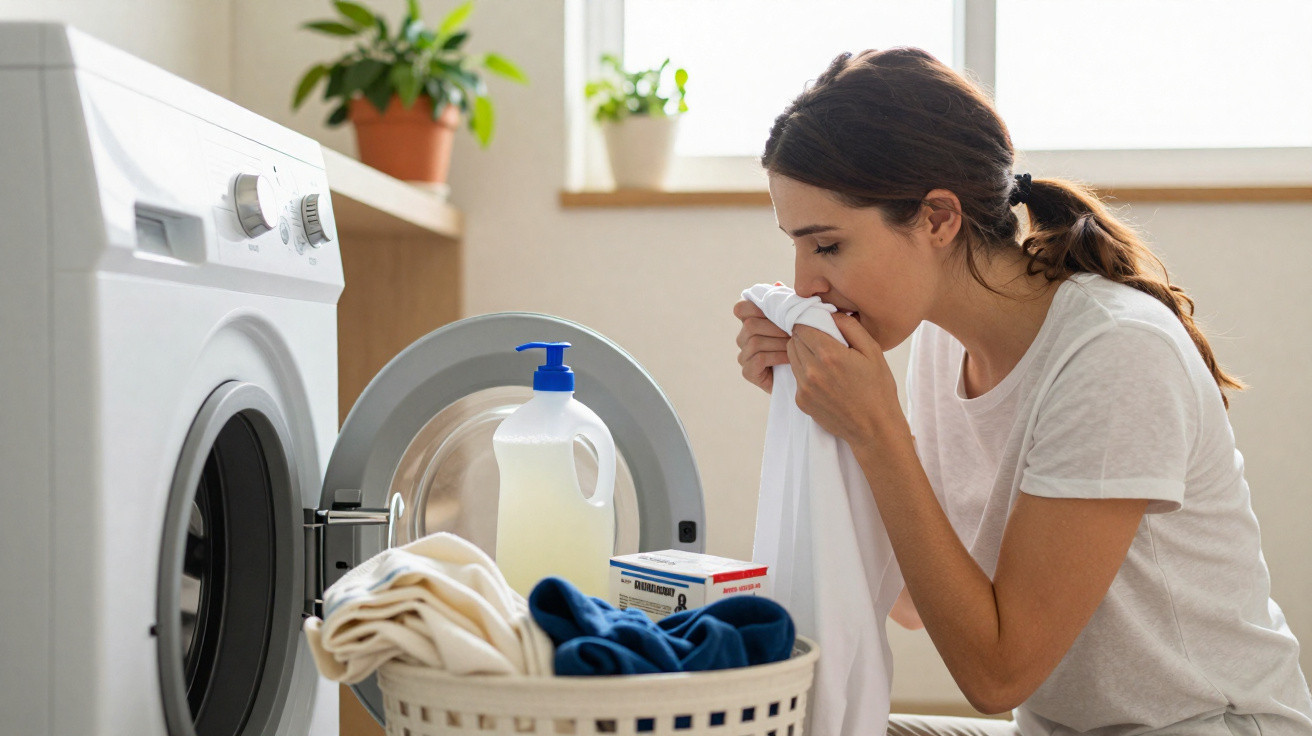
If T-shirts leave the drum smelling musty or like wet dog, there is usually a problem inside the appliance. Laundry washed in dirty water retains tiny deposits on its fibres, even when it has been perfumed. Those deposits hold on to moisture and unpleasant smells.
With time, the machine's interior becomes a warm, humid environment. Detergent that has not dissolved properly begins to coat the drum and pipework. Fabric softener creates a wax-like layer, while lint and pet hair stick to it. Combined, these materials produce a tacky coating in which bacteria thrive.
- Powder and liquid detergents can leave deposits around the drum and rubber seal.
- Fabric softener accumulates in the drawer, hoses and final-rinse system.
- Lint builds up in the filter, holding skin cells and grime from earlier loads.
- Water left in concealed areas keeps the appliance damp between washes.
Many households react by using extra fragrance, but it attaches itself to the very same dirty coating. The laundry may smell intensely scented for the first few minutes after washing, yet the fragrance soon disappears and the stale smell returns.
A clean machine keeps your favourite fragrance on the fabric; a dirty machine keeps it on the gunk you never see.
Where the “hidden button” usually sits
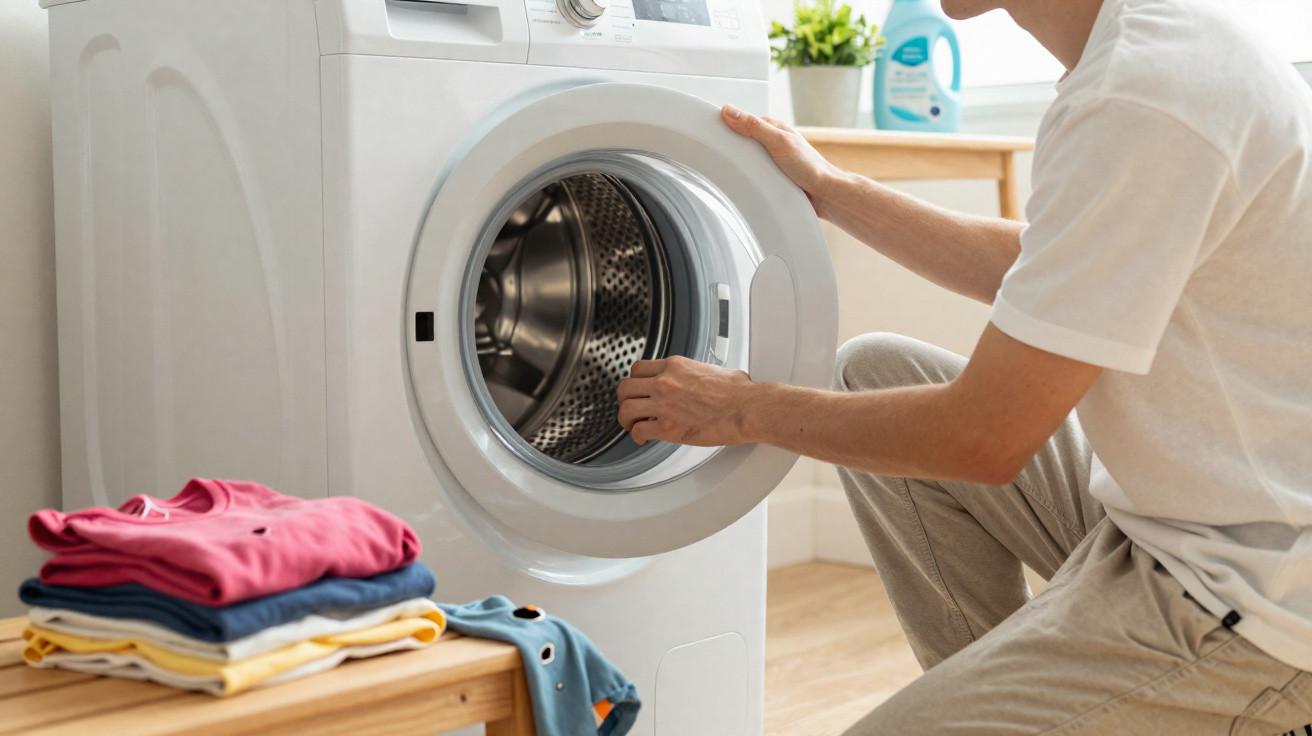
Many modern washing machines conceal an essential cleaning access point behind a small flap or detachable panel. Although it seldom resembles a conventional button, it works in much the same way: pressing, pulling or turning it gives access to the filthiest area of the appliance.
Front-loading machines
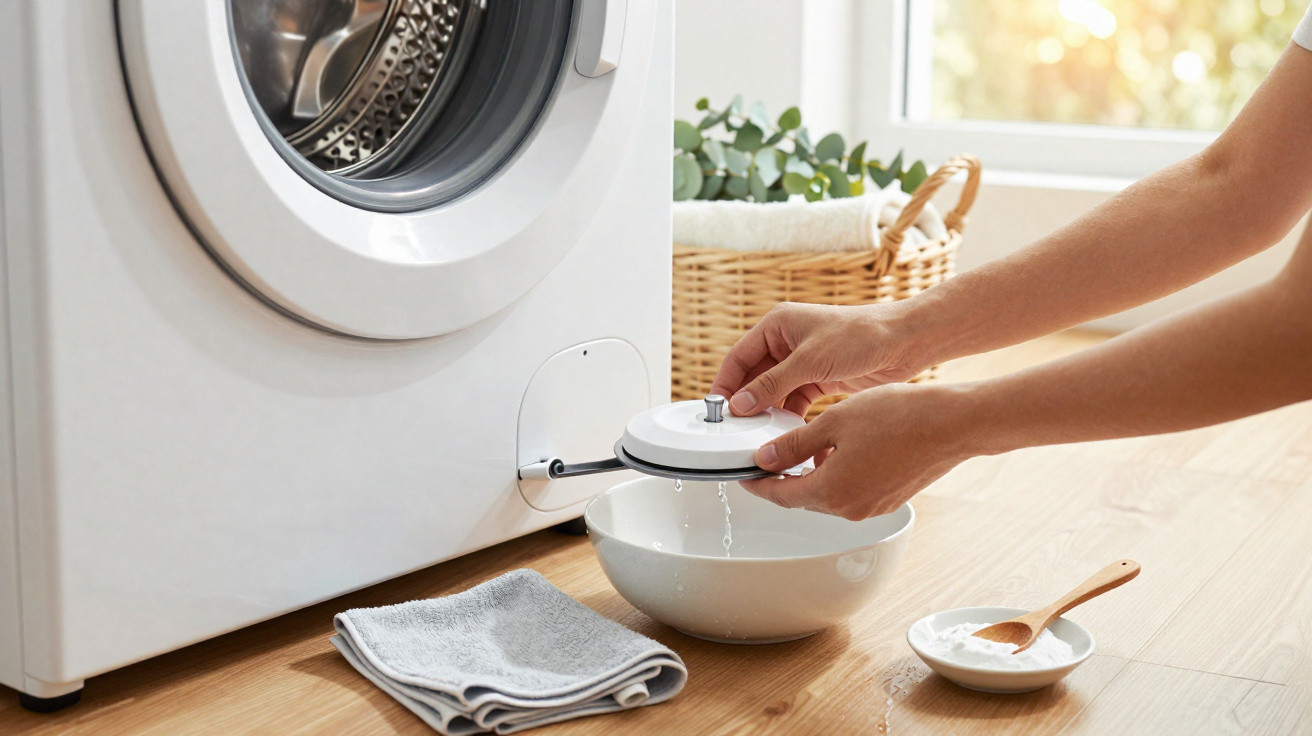
On numerous front-loading machines sold in the UK and US, this access point is located low down on the front of the casing, behind a small flap. The exact design differs between manufacturers, but the arrangement is generally alike.
- A small square or rectangular flap close to floor level on the front panel.
- A circular cap or plug behind the flap that unscrews, commonly known as the pump filter.
- On certain models, a short hose used to drain residual water before the cap is removed.
This screw-out cap is the “button” that can make all the difference. Some people never open it for years. It can contain coins, hair grips, pet hair, hardened detergent and dark sludge with the odour of a blocked sink.
Top-loading machines
Top-loading models conceal their important component elsewhere. Some have a removable lint filter within the drum, while others use a small basket around the upper edge or beneath an additional lid.
Here too, the part serves as a hidden control. Pressing a clip or pulling a handle releases the whole unit: a plastic cage coated in thick grey fluff and slippery soap residue.
Most users know how to change programmes and temperatures, yet never touch the filter that decides whether “fresh” actually smells fresh.
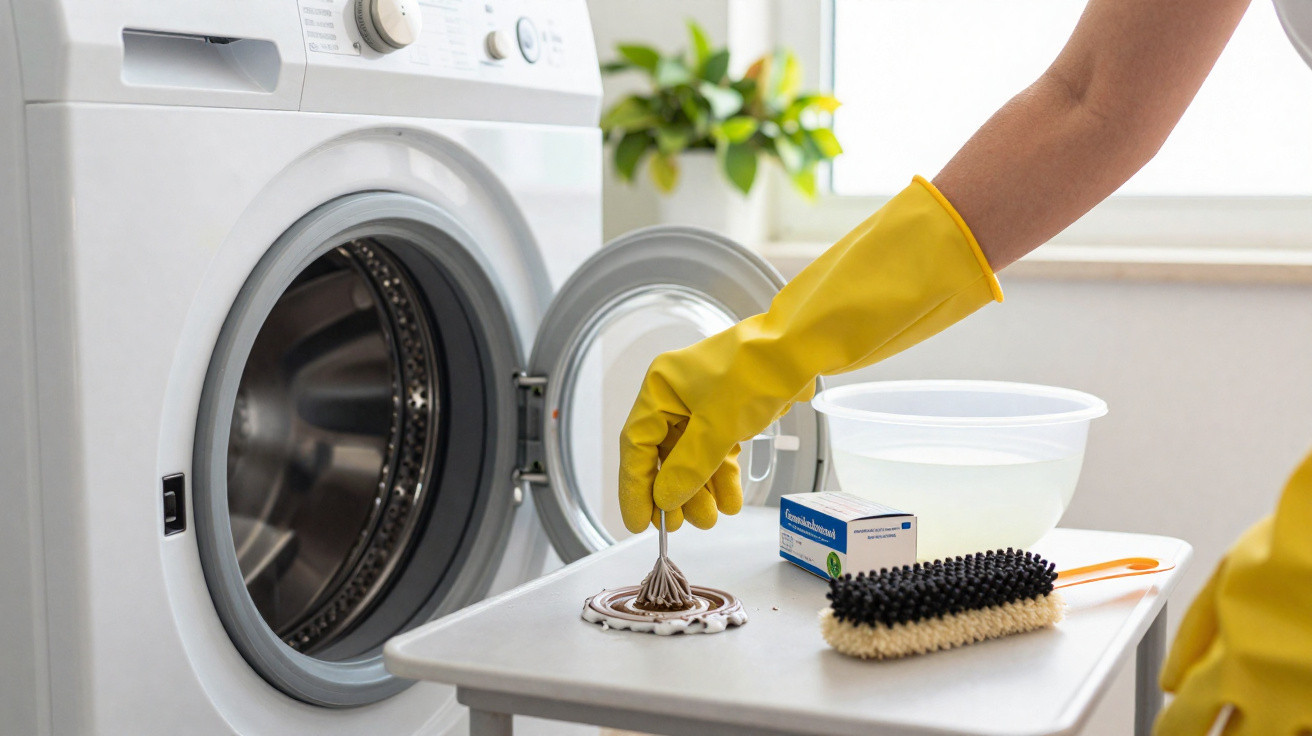
How to clean the hidden filter so clothes smell better
Cleaning this component generally takes under 15 minutes, although its effect on odours can seem striking after the following load.
Step-by-step approach
- Disconnect the machine from the mains before opening a panel or filter.
- Put a tray or thick towel below the access point, as some water is likely to escape.
- Open the flap, then carefully twist or pull the filter cap as directed in the user manual.
- Take out coins, buttons and any other visible items.
- Wash the complete filter under warm running water to clear away lint and slime.
- Scrub the grooves and threads with an old toothbrush, focusing on areas where deposits cling.
- Clean the cavity inside the machine using a cloth soaked in warm, soapy water.
- Refit the filter firmly and run a short rinse cycle with an empty drum.
When opening the filter for the first time, many people notice a pungent sour smell. That is precisely the odour that has been circulating through every supposedly “clean” wash.
A realistic maintenance schedule that actually works
Cleaning the machine once after seeing a social-media tip may help for several weeks, but it is easy to fall out of the routine. A straightforward schedule keeps the appliance in good condition without making cleaning an obsession.
| Frequency | What to do |
|---|---|
| Weekly | Clean the rubber door seal and wipe out the detergent drawer. |
| Fortnightly | Take out and rinse the lint or pump filter, looking for trapped items. |
| Monthly | Run a hot “maintenance wash” with an empty drum and either washing-machine cleaner or vinegar. |
This routine may prolong the working life of pumps and sensors, both of which can struggle when deposits accumulate. It also helps water drain properly, limiting the damp, stale smell that can linger in the drum after a cycle.
Think of the filter as the washing machine’s nose: if it stays blocked, nothing smells right, no matter how much perfume you add.
Using fabric softener without suffocating the machine
Fabric softener is central to many concerns about clogged machines and underwhelming fragrance. People often add more than the label recommends, particularly when they want a stronger scent.
How to avoid sticky build-up
- Follow the fill lines marked inside the fabric-softener compartment.
- With highly concentrated products, use a measuring cap rather than estimating the amount.
- If the softener seems especially thick, add water before pouring it into the drawer.
- Each week, rinse the drawer under hot water and scrub off any blue or white coating.
Softener that does not rinse fully from the drawer coats the side walls and hoses instead. Over time, fragrance oils and surfactants create a wax-like hardened residue that captures odours. If the filter is clean and the drawer drains freely, the fragrance reaches the fabric rather than the plumbing.
Other habits that boost freshness
The hidden button and filter handle much of the work, but several simple practices can also improve the final scent of your laundry.
Before and after the cycle
- Shake very muddy or dirty clothing outside first, reducing the amount of grit entering the drum.
- Do not pack the machine completely full; water and fragrance need room to move around.
- Take washed items out immediately after the programme finishes rather than leaving them for hours.
- Keep the door and detergent drawer slightly ajar between loads to allow the inside to dry.
Drying is important too. Laundry left in a pile in the basket while it is still warm from the drum can rapidly develop a humid smell, even if the wash cycle itself was faultless.
When smell signals a bigger problem
Most bad smells disappear after thoroughly cleaning the filter, drawer and drum. However, if a powerful sewage-like or rotten odour comes back quickly, the cause may lie beyond the hidden button.
- Blocked standpipes and domestic drains may force smells back into the appliance.
- Mould beneath or behind the rubber seal may mean the gasket needs replacing.
- On very old machines, hoses can crack and retain stagnant water outside the drum.
In these situations, a technician may need to inspect the installation or fit replacement parts. Repeated unpleasant smells should not be ignored, as they can indicate slow leaks, increased energy consumption and eventual mechanical breakdown.
Why this “secret button” trend won’t disappear soon
Social-media videos showing the filter for the first time have an obvious shock value: viewers discover what has been sitting inside their washing machine for years. The effect can seem instant. A brief session with a bucket and screwdriver can turn dull, grey laundry into washing that genuinely retains its fragrance.
Behind the viral appeal is a simple maintenance fact. Washing machines have gradually become more sophisticated, with additional sensors, eco-programmes and low-temperature cycles. These features work as intended only when water can travel through clean channels. The hidden access point is not a gimmick; it is the feature that enables households to keep those channels clear.
For anyone struggling with persistent odours, the fastest test costs almost nothing: find the small flap or removable basket, regard it as the missing “button” on your washing machine, and clean it thoroughly. When you open the door after the next cycle, your nose will tell you whether the routine is worth keeping.
Comments
No comments yet. Be the first to comment!
Leave a Comment