
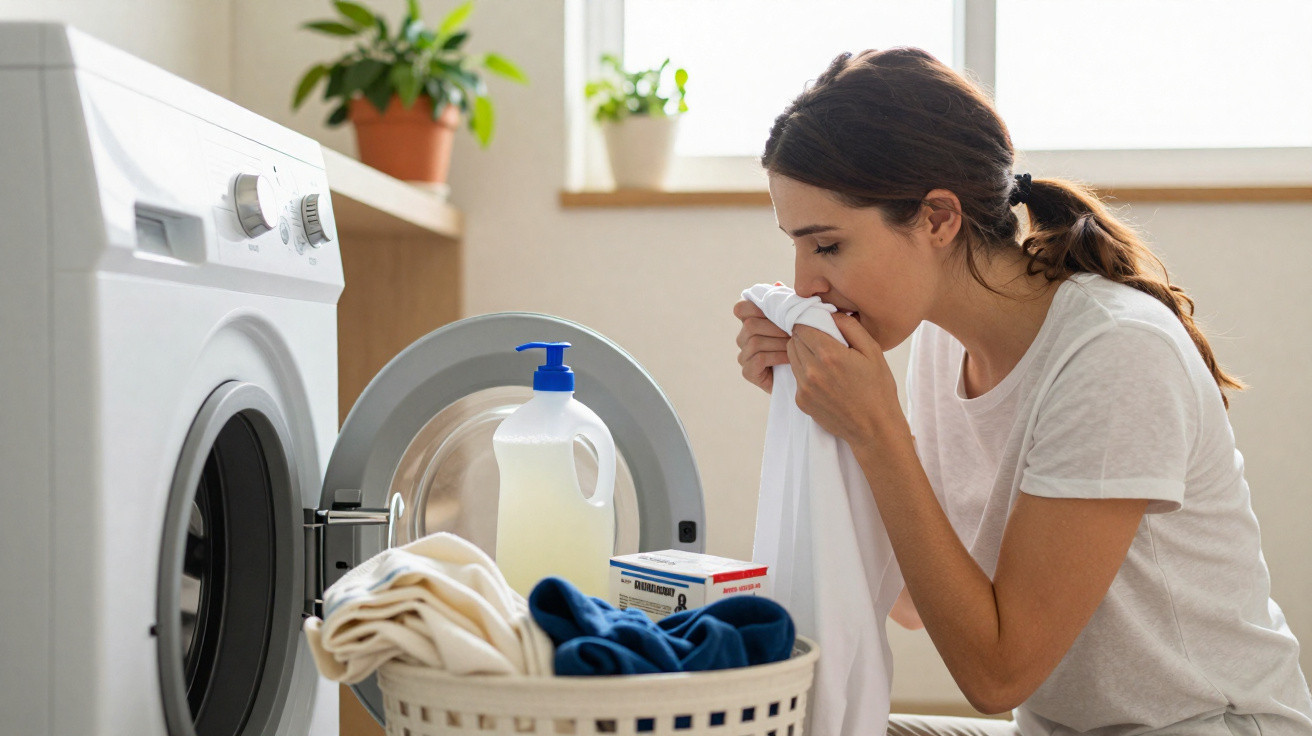
We all know the feeling: a freshly washed T-shirt smells “clean” when it comes out of the machine, only to release that damp changing-room smell once you put it on.
You wash it again, pour in more detergent and try a new fabric conditioner promising “ultimate freshness”. Nothing changes. The smell returns: muted, embedded and stubborn. It is as though the fabric has stored every workout and stressful day.
One morning in a shared laundry room in a block of flats, I watched a neighbour throw away an entire pile of leggings and technical T-shirts. “I can’t take it any more, they stink all the time, even straight out of the washing machine,” she said quietly. There was embarrassment in her voice, as if she herself were the source of the smell. Around us, machines kept turning without concern, swallowing litres of fragranced detergent.
That day, someone calmly told her: “You’re making the same mistake as everyone else.”
The common laundry mistake that traps odours for good
This is neither an unusual nor a specialist mistake. It takes place quietly in almost every household, week after week. We pack the washing machine too tightly, use far too much detergent, choose a rushed programme and leave damp washing sitting for slightly too long. Everything appears clean on the outside. The drum smells floral, and the stack of folded T-shirts looks faultless.
But deep within the fibres, bacteria, sweat deposits and skin oils have only been partly removed. Fragrance simply disguises them temporarily. When synthetic fibres heat up against your skin, the lingering trace of old odours returns. That false clean scent is like spraying perfume over a bin: pleasant initially, then brutally revealing.
On a fitness forum, a coach asked clients why they were continually replacing their sportswear. One reply appeared repeatedly: “The smell won’t go away.” Many said they added extra detergent “just in case” or picked the fastest cycle to reduce time and energy use. Ironically, these two habits were precisely what made garments smell worse as time went on. They were not being careless; they were doing what advertising subtly encourages: use more product, spend less time and expect identical cleanliness.
A small study by a Scandinavian hygiene institute examined odour build-up in clothes washed at home. Its researchers found that synthetic fabrics retained odour-causing compounds even after several standard washes. The results showed a clear pattern: tightly filled loads, generous detergent doses and short programmes left behind more residue. The garments had been washed in technical terms, but they had not been properly refreshed. It is rather like wiping a table repeatedly with a dirty sponge.
Chemically, the explanation is straightforward. Sweat itself has little smell; odour molecules are produced by bacteria feeding on it. If detergent is overdosed in a crowded drum, the water cannot rinse effectively. Some surfactants and fabric-conditioner agents adhere to fibres, enclosing sebum and microbes in an invisible coating. We then often leave wet laundry in the machine or a basket: somewhere warm, dark and ideal for bacterial growth.
Every inadequate wash adds another layer. Fabric turns into a sandwich of residue, fragrance and bacteria. This explains why ageing gym leggings or the underarm areas of T-shirts begin to smell like an “old wardrobe”, even when they have just come off the hanger. The common laundry mistake is not one isolated misstep. It is a pattern: too much product, too little water and too little time for clothes to properly air between washes.
How to actually remove locked-in odours
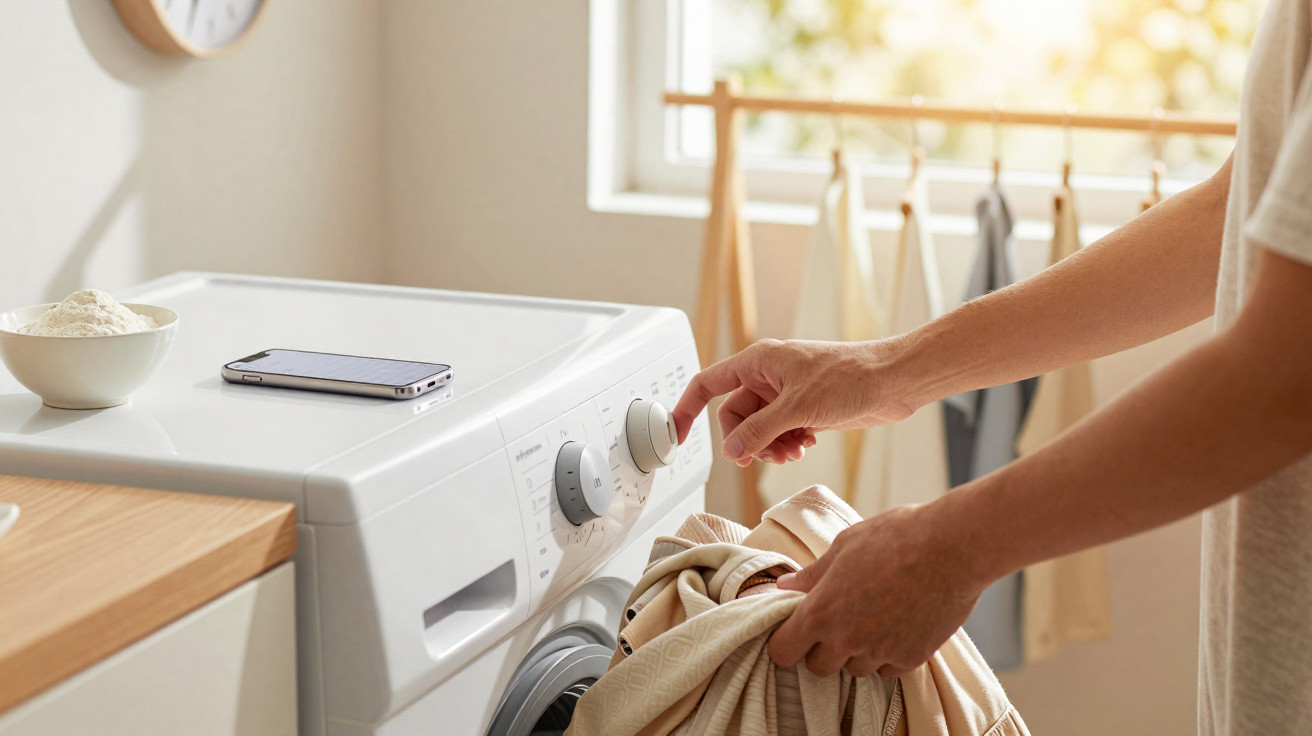
The first change can feel counterintuitive: use less detergent and leave more room for your clothes. As a useful guide, fill the drum to only three-quarters of its capacity, allowing garments to tumble freely. That movement enables water to reach into the fibres and rinse away deposits, rather than merely shifting around a dense, wet mass of fabric.
For the smelliest items - sportswear, socks and T-shirts marked under the arms - run at least one longer wash each week. Cooler washes work well for colours, but embedded odours may benefit from an occasional 40–60°C wash (check the care label), which helps disrupt the biofilms formed by bacteria. Treat this as a reset rather than an everyday temperature setting.
The second tool is not a miracle formula but an ordinary kitchen staple: white vinegar or bicarbonate of soda. Before washing, soak persistent items in lukewarm water with a cup of white vinegar for 30–60 minutes. Its gentle acidity can break down mineral deposits and neutralise odour molecules. For towels or cotton T-shirts, adding a handful of bicarbonate of soda to the drum may help balance pH and lessen that sour smell.
A young father told me he began soaking his children’s sports kits in vinegar following one unforgettable drive home after training. “I was going to throw everything away,” he laughed. Within two weeks of following this routine, the “permanent” smell had gone. Oddly, his washing machine also stopped producing that unpleasant musty smell. Sometimes a low-tech solution outperforms the most sophisticated detergents.
There is one pitfall that catches nearly everyone: leaving damp laundry to wait. In the machine for “just an hour”. In the basket for “just for tonight”. On a wet Sunday, those hours can easily become much longer. By then, clothes can develop that subtle mouldy note which no floral fabric conditioner can genuinely conceal. On a human level, it is understandable. At fibre level, it is disastrous.
During a hectic week, it is easy to force towels, bedding and gym kit into one enormous load. It feels productive, as though you have ticked off a major task. In practice, this is how odour becomes structural - almost architectural - within the material. Let’s be honest: nobody manages this every day with laboratory-level discipline. Life is untidy, and laundry is too.
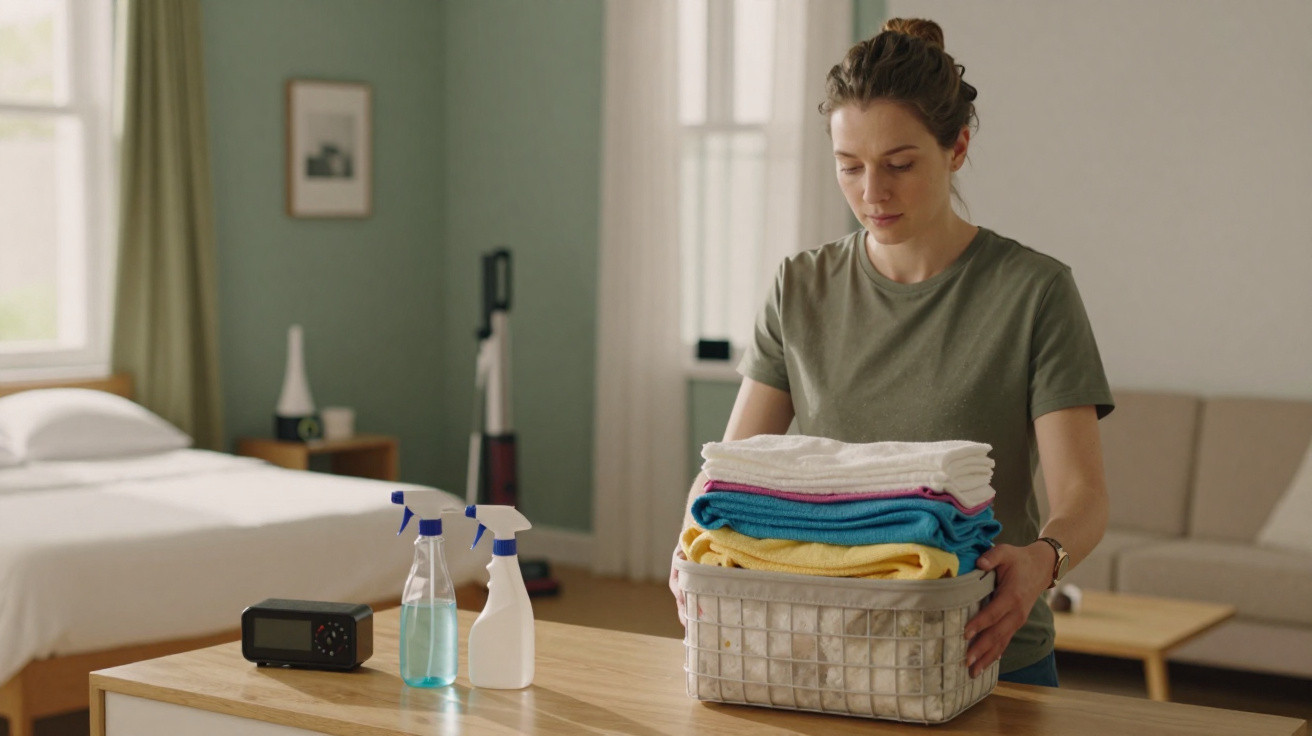
The answer is to choose your battles: wash smaller, better-planned loads for the items most likely to retain odours, and reserve mixed mega-loads for lightly worn clothing that rarely develops a smell.
“Odor is not a moral failing or a lack of hygiene,” explains a textile care expert I interviewed. “It’s usually a build-up problem. Once people change three or four small habits, the ‘permanent’ smell often disappears in a few weeks.”
At this point, a straightforward checklist is more helpful than guilt.
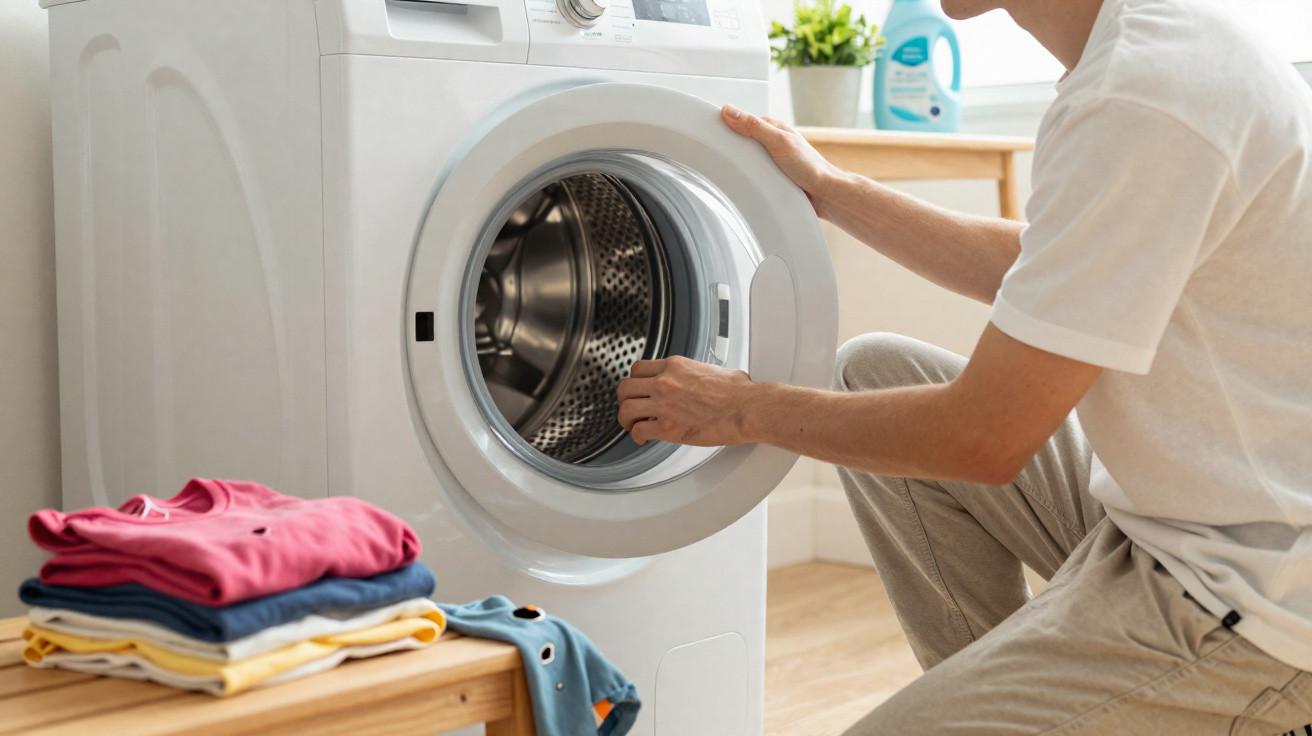
- Leave the washing machine door open after every wash, allowing the drum to dry instead of becoming a source of smells itself.
- Wash sportswear separately from everyday garments, using less detergent and a longer programme.
- Avoid fabric conditioner for towels and activewear; it can coat fibres and hold odours in place.
- Dry laundry fully within 24 hours, either in a tumble dryer or on an airer in a well-ventilated room.
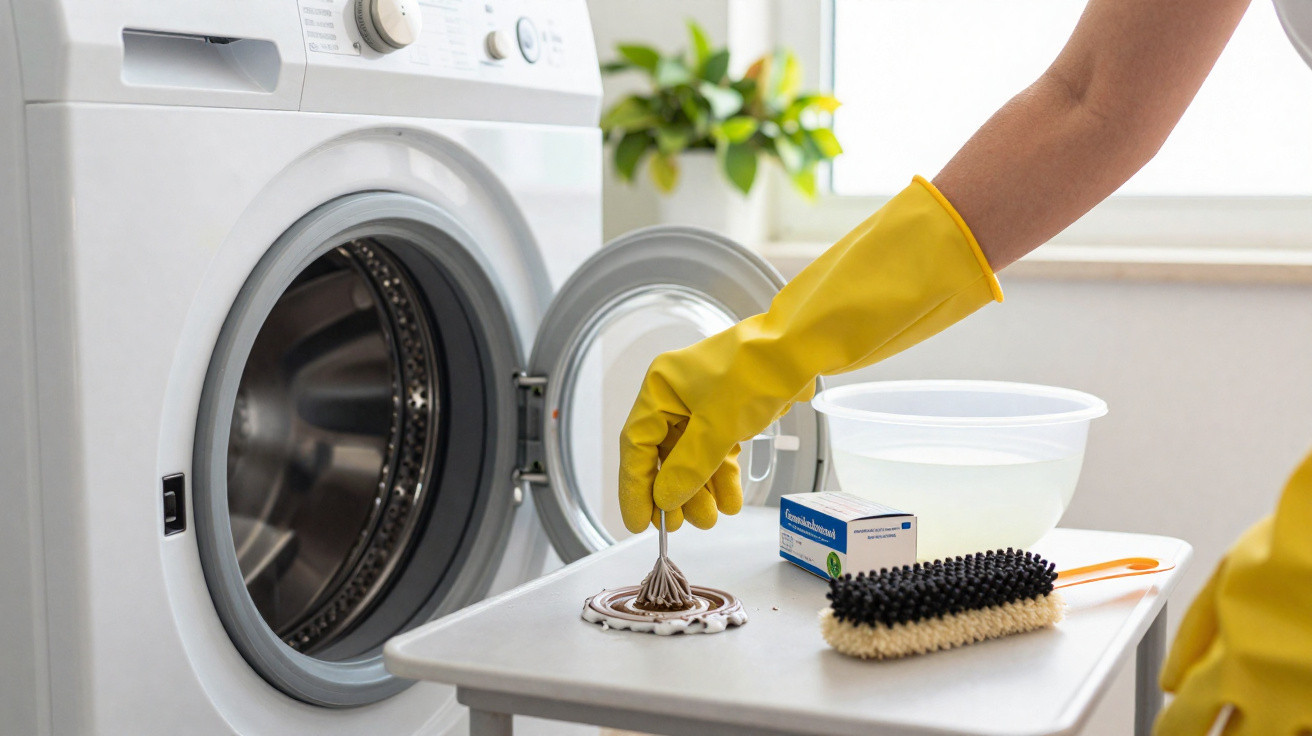
- Once a month, run an empty hot wash with vinegar or washing-machine cleaner to remove build-up and bacteria.
Changing how we think about “clean” clothes
There is a discreet divide between the laundry shown in adverts and the way real homes smell on a Sunday evening. Screens show white sheets fluttering in the breeze and parents dreamily inhaling T-shirts. Real life includes a damp pile on a chair, a missing sock beneath the bed and a sports bra that never quite loses its faint scent of exertion. We have all had the moment when we hesitate to raise an arm because we are unsure what the T-shirt might reveal.
Odour is personal. It reflects workdays in overheated offices, stress on public transport, teenagers learning about their changing bodies and parents trying to manage everything. When smells cling to clothing, we often blame ourselves: “I’m not clean enough”, “I’m doing laundry wrong”, “My home isn’t fresh”. Yet the cause is often simply a slightly overloaded machine and products that leave behind more than they remove.
Speaking candidly about this routine laundry mistake can reduce its hold over us. When you understand that a T-shirt with a “permanent odor” is actually covered in unseen layers of detergent, fabric conditioner and old sweat, your perspective changes. You are not destined to discard half your wardrobe each year. You are only a few washing cycles away from a fresh start, one garment at a time. Cleanliness stops being a scent sold in a bottle and becomes a process you can manage.
And once you have experienced that rare result - a beloved old T-shirt drying on an airer, with no fragrance and no hint of what came before - it is difficult to return to anything else.
| Key point | Details | Why it matters to readers |
|---|---|---|
| Do not overload the washing machine | Keep approximately a hand’s width of empty space at the top of the drum. When pressed down, clothes should still move freely rather than forming a solid block. | Improved movement delivers more effective rinsing, reduces trapped residue and makes it far less likely that “washed” clothes will smell stale a few hours after being worn. |
| Use less detergent, not more | Follow the lower end of the dosage guidance on the bottle, particularly with modern high-efficiency machines. Hard water may require a slight adjustment, rather than a double dose. | Too much detergent can remain on fibres and keep odours in place. The right amount saves money while producing a cleaner, more neutral smell. |
| Pre-treat and separate smelly items | Soak gym wear and sour-smelling towels in a vinegar solution, then wash them separately on a longer 40–60°C programme where the care label permits. | This addresses the heaviest bacterial build-up without spreading it through the entire wash, helping clothes that seemed beyond saving last longer. |
FAQ
- Why do my gym clothes still smell after washing? Sports fabrics are commonly synthetic and hydrophobic, meaning they retain body oils and bacteria more stubbornly. When the drum is overloaded or too much detergent is used, residue remains trapped in the fibres and becomes active again as soon as you sweat.
- Can I use fabric softener on towels and activewear? It is best avoided. Fabric conditioners coat fibres, which can reduce towel absorbency and trap odours in stretchy sportswear. A small amount of white vinegar in the rinse compartment is a gentler alternative.
- How long can clean laundry stay in the machine? Ideally, no more than 30–60 minutes. Beyond that point, moisture and warmth create a microclimate for bacteria and mildew. If you leave a load overnight, wash it again on a shorter programme with an extra rinse.
- Does washing at 30°C really clean clothes? Yes, for lightly worn clothes, particularly with modern detergents. For garments with strong body odour, underarm marks or sportswear, an occasional warmer 40–60°C wash helps remove stubborn deposits.
- How often should I clean my washing machine? Once a month is a sensible routine for most homes. Run an empty hot cycle using a cup of white vinegar or a washing-machine cleaner, then wipe the rubber seal and detergent drawer to clear concealed grime.

Comments
No comments yet. Be the first to comment!
Leave a Comment