
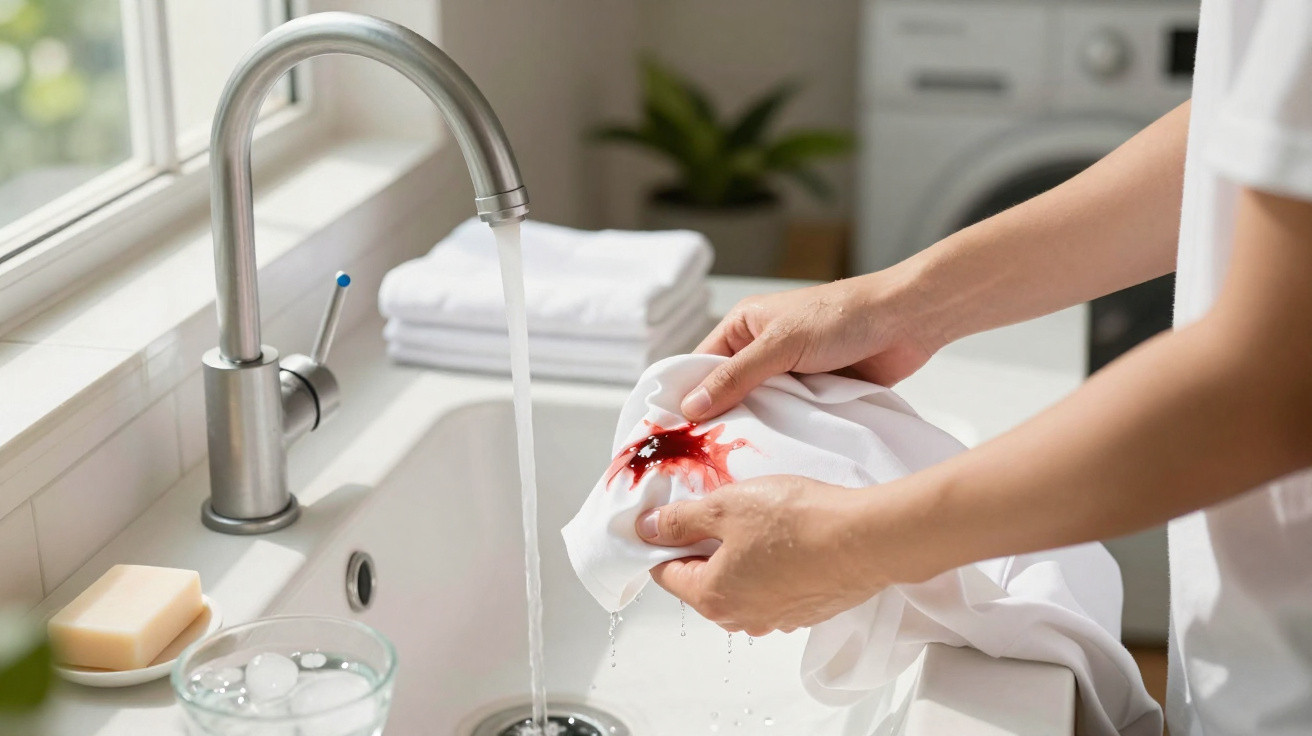
You notice it just before heading out: a dark, rust-coloured mark on a white shirt, or across the clean bed sheets you only put on yesterday. You immediately recognise it, and instinct takes over: turn the tap as hot as it will go. Scorch it out. Force it away. Heat solves everything, doesn’t it?
But this time, the more you dab at it, the more unpleasant the mark looks. It spreads out, works its way deeper into the material and appears to cling to the fibres. With a sigh, you put the shirt in the laundry basket and promise yourself you will “deal with it later”.
What is easy to miss in that hurried moment at the sink is the small scientific process taking place within the fabric.
That process is what causes the real trouble.
Why hot water is your blood stain’s best friend, not its enemy
Blood does not react on fabric in the same way as coffee or red wine. It contains a high level of proteins, which respond to heat in a particular manner. They alter their structure, become firm and attach themselves, much like egg white changing from transparent and liquid to white and solid in a frying pan. On a much smaller scale, the same cooking effect occurs within the fibres of your shirt.
In other words, pouring hot water over fresh blood does not wash it out. It effectively “cooks” the stain where it is.
Imagine someone slicing a finger while chopping onions. They quickly press a tea towel against it before hurrying to the sink. The towel is held beneath water that is almost boiling. They rub and scrub; the cloth turns pink and the stain seems to disappear… but, once dry, a hard brown ring develops exactly where the blood had been. That faint halo is the protein, denatured and permanently fixed.
This also explains why older blood stains can feel slightly crusty or stiff compared with the surrounding material. Heat has already taken effect. It may have come from hot water, a tumble dryer, or simply time and body heat.
At a microscopic level, cotton and linen fibres resemble minute tubes and channels. While blood is fresh and cold, it can still move into and out of those spaces. As soon as it meets high heat, the protein molecules unfold, knot together and bind to the threads like glue. This is why laundry experts keep repeating the same unexciting advice: cold first, always.
Even when heat has set the blood, it may still be possible to reduce, lighten or conceal the mark. However, the easy “gone in 30 seconds” outcome is no longer possible the moment you run the hot tap.
How to treat a blood stain the right way (before it becomes forever)
When blood gets onto fabric, the first step is simple, if not especially exciting: act quickly and use cold water. Hold the stained section beneath cold running water, working from the reverse side so the water forces the blood out rather than further through the fabric. Avoid vigorous scrubbing; instead, gently squeeze and release the fibres with your fingers.
After rinsing away most of the fresh blood, soak the garment in a bowl of cold water for 15–30 minutes. Adding a small amount of mild soap or laundry detergent can help loosen the stain without “cooking” it.
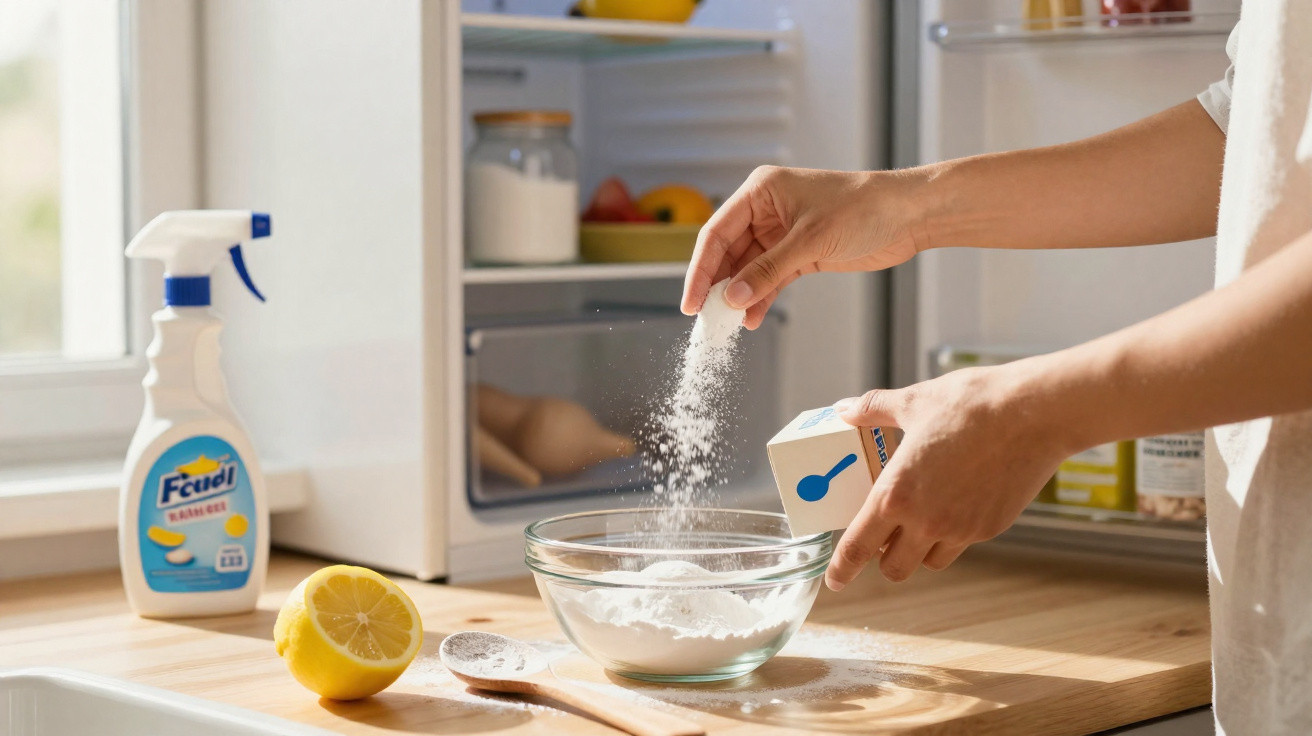
For a slightly older mark, a paste made with cold water and salt or baking soda may help remove the remaining stain from natural fabrics such as cotton. Dab it on, leave it briefly, then rinse once more in cold water. Take more care with delicate materials, including silk and wool: test any method on an inconspicuous area, and press with a clean cloth instead of rubbing. We have all had that moment when we scrub too enthusiastically and the fabric ends up looking worse than the original stain.
Realistically, nobody sticks to an ideal laundry routine every day. Still, simply choosing cold water rather than hot water, and stopping before scrubbing furiously, can make a considerable difference.
The plain truth: hot water doesn’t “fight” blood stains, it locks them in. Cold water gives you time, and time is your only real ally against dried blood.
- Use cold water first: Begin with a cold rinse from the back of the fabric, flushing the blood out instead of driving it further in.
- Pre-treat before the machine: Apply a little liquid detergent, a salt paste or stain remover, then leave it to work for a few minutes.
- Avoid dryers and hot cycles: Heat from appliances can set any blood that remains, even when the mark is very faint.
- Know your fabric: Delicate materials require gentle dabbing rather than harsh chemicals or aggressive rubbing.
- Act as early as you can: The newer the stain, the easier it is to shift, dissolve and rinse away the proteins.
Living with stains, and learning not to panic at the tap
Blood stains tend to appear at exactly the most inconvenient times: before work, during your period, or while changing your child’s sheets in the middle of the night. In these brief, chaotic moments, proteins and fibre structure are the last things on your mind. You reach for the closest tap and do what seems sensible: hot water, hard rubbing and perhaps a few words directed at the fabric.
Science quietly contradicts that reaction. But after watching a shirt survive because you used cold water, your automatic response begins to change.
You may even approach stains more calmly, treating them as a small experiment rather than a catastrophe. Cold rinse, gentle squeezing, then time for the detergent to do its job. Follow with an ordinary wash on a cold or lukewarm cycle, so you do not reverse your own work. The reason you should never use hot water to remove a blood stain is because the heat sets the proteins into the fabric, and after feeling the difference yourself, those words no longer seem theoretical.
Instead, it becomes part of navigating life’s everyday mess, preserving clothes through one small decision at a time.
| Key point | Detail | Value for the reader |
|---|---|---|
| Start with cold water | Rinse from the reverse of the fabric and carefully work the stain out | Maximises the likelihood of fully removing fresh blood |
| Avoid heat on stains | Avoid hot water, hot wash programmes and tumble dryers until the stain has disappeared | Stops proteins becoming fixed deep within the fibres |
| Pre-treat smartly | Use mild detergent, salt or baking soda during a brief soak | Improves stain removal without harming most everyday fabrics |
FAQ:
- Why exactly does hot water make blood stains worse? Blood contains proteins that alter shape and harden under high heat, attaching more firmly to the fabric fibres. This effectively “cooks” the stain in place, making it much more difficult to remove afterwards.
- What temperature counts as “too hot” for blood stains? Any temperature above lukewarm can be risky. Use cold tap water, or at most mildly cool water, until the stain has fully disappeared before considering a warmer wash.
- Can I fix a blood stain that’s already been washed in hot water? It is more difficult, though you may sometimes be able to lighten it. Soak the item in cold water with an enzyme-based detergent or a fabric-safe oxygen bleach, then wash it again using a cooler cycle.
- Is hydrogen peroxide safe for all blood stains? Peroxide can be effective on fresh blood, particularly on light-coloured cotton, but it may bleach or weaken certain fabrics. Test it on a hidden area first, and do not use it on dark or delicate items.
- Does saliva really help remove blood? Fresh saliva includes enzymes that may help break down fresh blood in small areas, such as a spot on a sleeve. It is not a miracle solution and is unsuitable for large stains, but it can make later cleaning slightly easier when you are out and about.


Comments
No comments yet. Be the first to comment!
Leave a Comment