
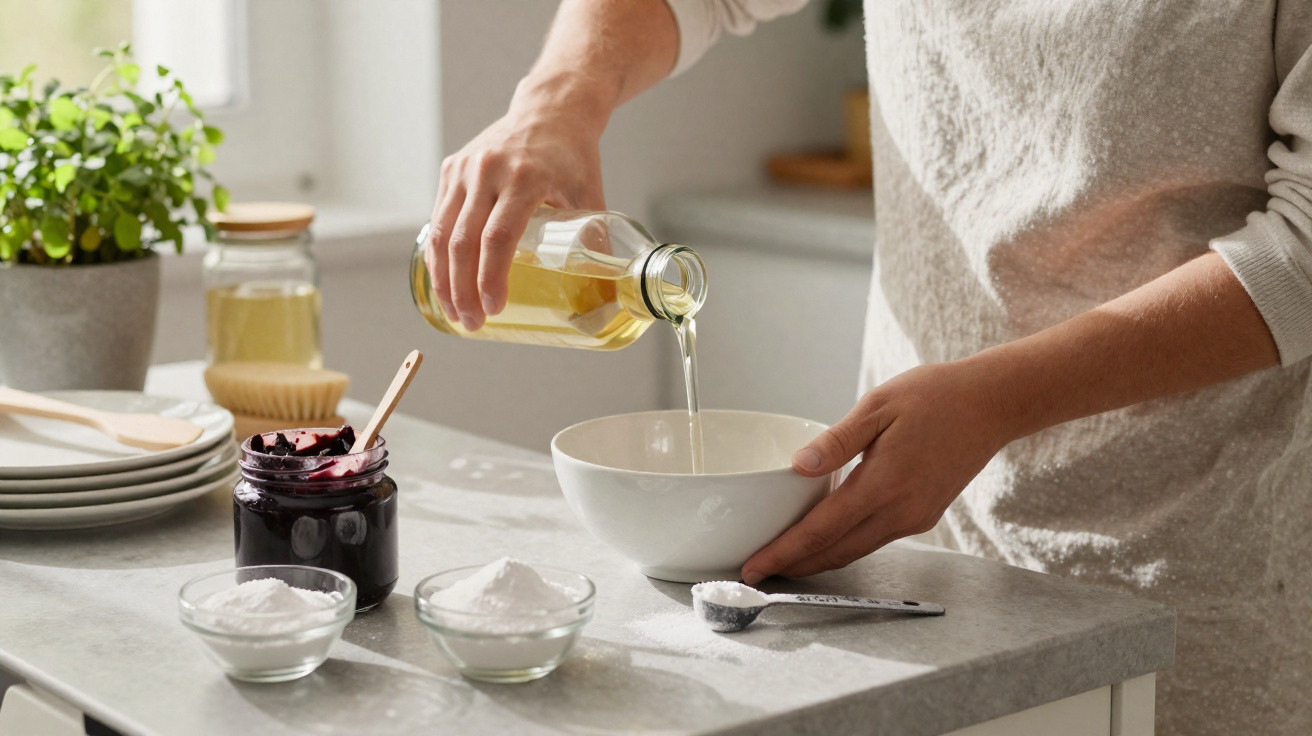
A straightforward blend turns the usual washing-up routine on its head.
Anyone who washes up regularly feels it in their pocket: bottles of washing-up liquid keep getting pricier, ingredient lists keep getting longer, and hands end up drier. At the same time, there’s the nagging guilt about plastic waste and what ends up in the wastewater. A surprisingly simple recipe made from just three basic ingredients proves there’s another way - low-cost, effective and far kinder to the environment.
Why conventional washing-up liquid becomes a problem
Liquid washing-up detergent is convenient and feels like the easiest option. But behind the bright bottle there’s often a cocktail of harsh surfactants, fragrances, preservatives and colourants. A number of these ingredients can be tough on waterways, irritate sensitive skin, and arrive in plastic packaging that’s difficult to recycle well.
- chemical surfactants that cut through grease and grime but add to water pollution
- strong fragrances that may trigger allergies
- plastic bottles that go in household recycling yet are often downcycled
- frequent repurchasing that adds up over time
In reality, washing up needs only one thing: a combination that breaks down grease, neutralises odours and stays gentle on skin. That’s exactly what the three-ingredient alternative is designed to do.
The foundation: three simple household ingredients
A blend of black soap, bicarbonate of soda and washing soda can replace pricey washing-up liquid - and still cleans thoroughly.
This homemade washing-up helper relies on three staples that appear in many natural cleaning recipes anyway:
Black soap as a gentle, natural base
Black soap (often made from olive oil or linseed oil) forms the backbone of this DIY washing-up liquid. It’s known for cleaning power while remaining kind to skin. Unlike many mass-market products, it tends to leave hands feeling less tight and it doesn’t leave plates and glasses with a slippery film.
Because it generally uses plant-based oils and doesn’t rely on synthetic fragrances, it’s particularly suitable for people with sensitive skin or allergies. The soap component also tends to break down more readily in the environment than many modern surfactants.
Bicarbonate of soda for mild abrasion and a fresher smell
Sodium bicarbonate - most often called bicarbonate of soda - brings two key benefits:
- a gentle abrasive effect that helps lift dried-on food
- odour neutralisation, especially useful for onion, fish or garlic smells
Bicarbonate of soda won’t attack the surface of crockery, pans or glassware, yet it reliably removes build-up. That makes it especially handy for mugs with tea or coffee stains.
Washing soda to tackle grease
Soda crystals, also known as washing soda, noticeably boosts the degreasing effect. It reacts with fats and helps make them water-soluble. That’s exactly what you need for frying pans, roasting dishes or greasy plates.
Because washing soda is stronger than bicarbonate of soda, it’s best used carefully, avoiding contact with eyes and very sensitive skin. Diluted in washing-up water, it supports a clean, grease-free drain and may even help reduce build-up in pipes.
How to mix your own washing-up liquid
To make around half a litre of homemade washing-up liquid, you only need a few minutes in the kitchen. If you need more, simply double the quantities.
- Add 1 tablespoon of bicarbonate of soda to an empty bottle.
- Add 1 tablespoon of washing soda.
- Pour in roughly 2 cm of liquid black soap.
- Top up with hot tap water, leaving a little space at the top for shaking.
- Close the bottle tightly and shake vigorously until the crystals have mostly dissolved.
You’ll end up with a liquid cleaner you can dose much like standard washing-up liquid. If you like, add a few drops of essential oil, such as lemon or lavender. This doesn’t change how it cleans, but it does give a familiar scent while you wash up.
Alternative recipe version using grated pure soap
Many households also use traditional pure soap (or a mild plant-based soap) in flake form. That lets you make a thicker, almost gel-like version:
- 50 g finely grated pure soap
- a small amount of black soap
- 1 tablespoon each of washing soda and bicarbonate of soda
- around 800 ml hot water
Put all solid ingredients into a bowl, pour over hot water, and stir thoroughly until the soap dissolves. Once cooled, transfer the mixture into a bottle. By the next day it’s often thicker - simply thin it with a little cold water and shake again.
Does it clean as well as shop-bought products?
A common concern is: if it barely foams, can it really clean properly? The answer is clear: yes. Foam mainly creates the impression of cleaning, but it says very little about actual performance.
What matters is how well grease and food residues lift - not how high the foam sits.
Practical experience shows that plates, glasses and cutlery come out clean, clear and free from any greasy film when washed with this homemade blend. Glassware in particular often shows fewer streaks, because there are no perfume or dye residues left behind.
Another advantage: fewer soap residues tend to build up around the sink, and pipes are less likely to clog with grease. Over time, that can even reduce the need for drain cleaners.
Financial benefits in everyday life
Although the three core ingredients can look slightly more expensive at first glance, they last a long time. From a bottle of black soap, a pack of bicarbonate of soda and a bag of washing soda, you can make dozens of refills.
For a rough guide:
- one bottle of black soap goes a long way and can make many litres of cleaner
- bicarbonate of soda and washing soda are usually sold in larger packs and used sparingly
- per litre, homemade washing-up liquid often costs noticeably less than even budget branded options
If you cook often and do plenty of washing up by hand, you’ll typically notice the savings within a few weeks. On top of that, you can reuse empty bottles rather than constantly buying new packaging.
What to keep in mind when switching
For most people the changeover is straightforward, but these tips make it easier:
- Shake the bottle before each use: natural ingredients can settle slightly over time.
- Test on very delicate surfaces: with non-stick pans or high-end glassware, try it first in an inconspicuous spot.
- Avoid contact with eyes: washing soda can irritate, so rinse thoroughly and keep it away from children.
- Store dry: don’t leave the bottle standing in a wet sink area for long periods, so the cap doesn’t stick.
If you’re prone to very dry skin, you may still prefer to wear gloves while washing up. This mix is gentler than many shop-bought products, but it won’t replace hand cream.
How sustainable is this solution really?
This recipe cuts plastic, reduces the load of problematic substances entering wastewater, and relies mainly on simple, readily degradable compounds. Compared with a standard supermarket bottle, the environmental footprint drops substantially:
- fewer single-use packs
- no artificial fragrances and no bright colourants
- reduced transport impact thanks to concentrated base ingredients
Even a natural cleaner isn’t risk-free. Too much washing soda can dull some surfaces, and in very hard-water areas you may need to fine-tune the recipe. Overall, though, the balance compared with most standard products is clearly positive.
Practical add-ons for a more low-chemical household
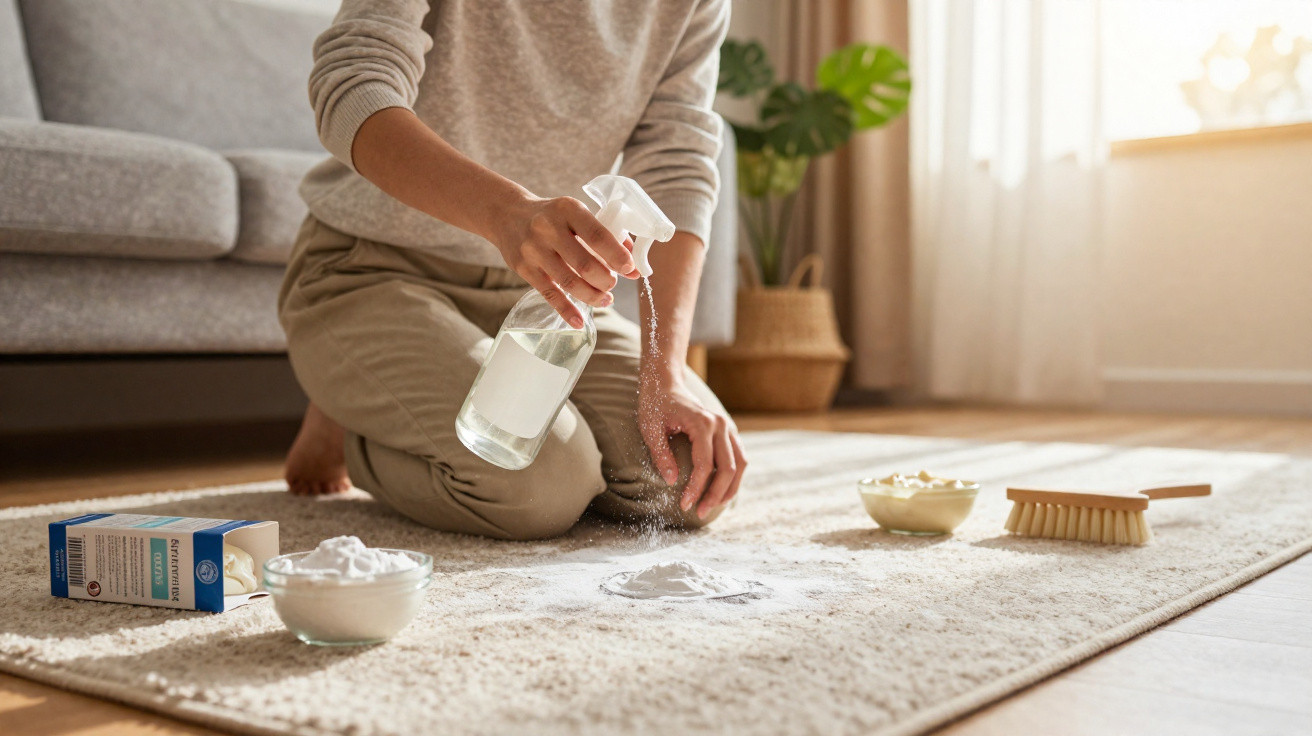
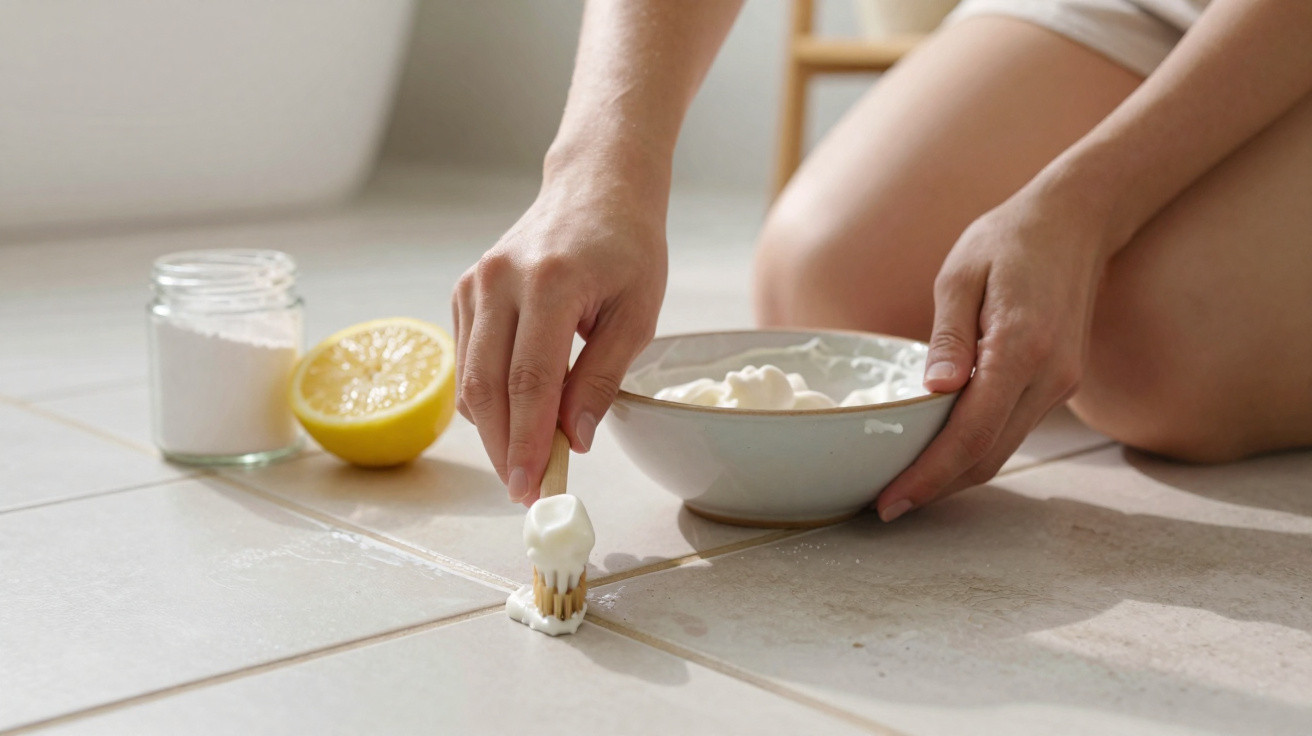
If you get on well with this washing-up alternative, you can use similar mixes for other jobs too. Black soap and washing soda work well in floor cleaners, and when heavily diluted they can also be used on tiles and enamel. Bicarbonate of soda helps absorb smells in the fridge and acts as a gentle scouring option for stainless-steel sinks.
It’s best to change cleaning habits gradually. Start by replacing your washing-up liquid, test it, then adjust. After that, question other products step by step: glass cleaner, bathroom spray, oven cleaner. Many tasks can be covered by the same core ingredients - without turning your cupboard into a chemistry lab and without constantly buying new plastic bottles.

Comments
No comments yet. Be the first to comment!
Leave a Comment