
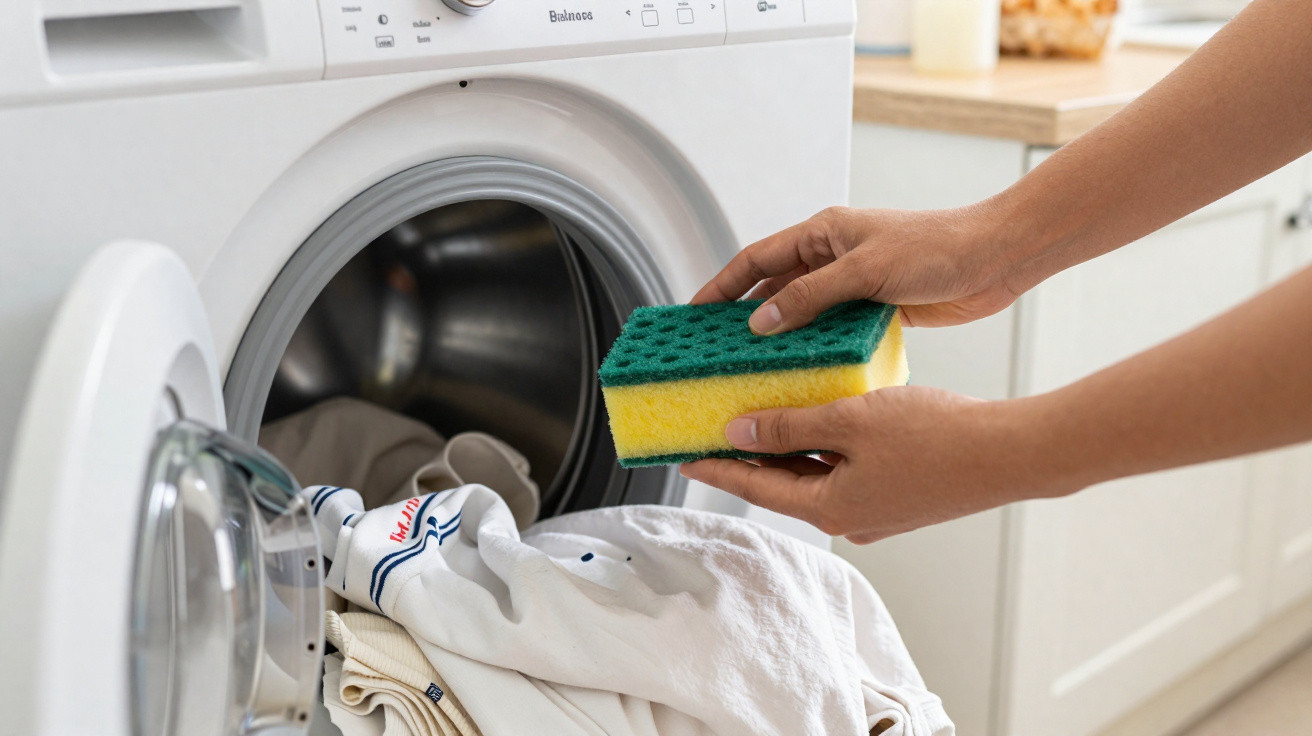
The unassuming dish sponge beside your sink has uses beyond washing up, and one of the most surprising begins inside your washing machine.
A straightforward laundry tip is attracting attention on social media and cleaning forums: put a clean dish sponge in the drum before starting a wash. Although it may sound odd, or even like another online myth, plenty of households say it helps tackle pet hair, lint and even stale smells.
Why a dish sponge in the washing machine works
This approach relies on texture and simple physics, not magic. A sponge's coarse, porous structure contains countless small holes and edges. As it moves through the wash alongside clothing, its surface catches loose fibres and debris that might otherwise circulate around the drum.
"Launched with a regular wash cycle, a clean sponge acts almost like a travelling filter, catching hair, lint and tiny particles before they reattach to fabric or end up clogging your machine."
The benefit is often most noticeable in homes with cats or dogs. Pet hair can remain on towels, leggings and dark T-shirts even after lengthy hot washes. As the sponge tumbles between the items, it picks up some of this hair, which can then be seen attached to its surface.
It can also collect lint released by cotton clothes, fleece blankets and sportswear. Rather than settling back onto clean washing, a greater amount of fluff ends up on the sponge. The method is not flawless, but using it repeatedly may limit build-up on well-loved garments and within the machine itself.
How to use a sponge in your washing machine
The technique is straightforward, although a few points are important for effective results without unwanted problems.
Step-by-step guide
- Pick a new sponge, or one that has been cleaned thoroughly, with no food remnants or strong odour.
- Check that it has no metal scouring surface or harsh abrasive layer.
- Take off all labels, stickers and plastic packaging.
- Put one or two sponges straight into the drum with the laundry.
- Use your usual wash programme and normal detergent.
- Once the cycle has finished, remove the sponge and rinse it under hot water, pulling away any trapped hair and lint by hand.
- Allow it to dry fully before using it again, to prevent bacterial growth.
For an ordinary household load, a single sponge should suffice. People who often wash pet beds, heavy blankets or items that shed heavily sometimes use two sponges to trap additional debris.
"Avoid using sponges that smell of old food or grease, because those odours can migrate to textiles, especially on low-temperature washes."
What type of sponge should you use?
Different sponges behave differently in a hot, soapy washing-machine drum. Some can break down, others may release colour, while certain types could damage delicate fabrics.
| Type of sponge | Use in washing machine? | Reason |
|---|---|---|
| Plain cellulose dish sponge | Recommended | Soft, porous, good at trapping hair and lint, generally safe on fabrics. |
| Sponge with metal scouring pad | Not recommended | Risk of scratching drum, snagging clothes and damaging delicate items. |
| Coloured cheap sponge that sheds | Avoid | May release foam fragments or dye into the wash. |
| Microfibre cleaning pad | Use with care | Can trap hair, but may hold detergent and take longer to dry between washes. |
Whichever type you select, inspect it after its first wash. Stop using that particular sponge in the machine if it begins shedding pieces or if pale fabrics show any colour changes.
Benefits beyond pet hair control
Removing hair receives most of the focus, but this tip may offer broader benefits for your laundry routine.
Helping your washing machine last longer
Today’s washing machines have filters and small traps intended to catch debris. Over time, lint, threads and tiny particles accumulate in them. This can put pressure on the pump, make draining slower and sometimes lead to error codes.
When the sponge captures some of this debris in the drum, it reduces the amount reaching the internal filters. This may mean fewer blockages and simpler upkeep. You will still need to clean the filter, but it should be less burdened to begin with.
"A cheap sponge will not replace proper maintenance, but it can act as a first line of defence before dirt reaches the most sensitive parts of the appliance."
Cleaner fabric surfaces
After several washes using a sponge, many people find there are fewer stray bits of fluff or small bobbles on their laundry. It cannot prevent pilling caused by friction, but it can reduce loose fibres that tend to cling stubbornly to black clothing and technical sportswear.
Some allergy sufferers report less severe reactions when bedding and pyjamas contain less dust and hair. A sponge cannot deal with dust mites or deeper allergy triggers, but it may lift some visible irritants that remain on fibres between washes.
How often should you clean your washing machine, especially in summer?
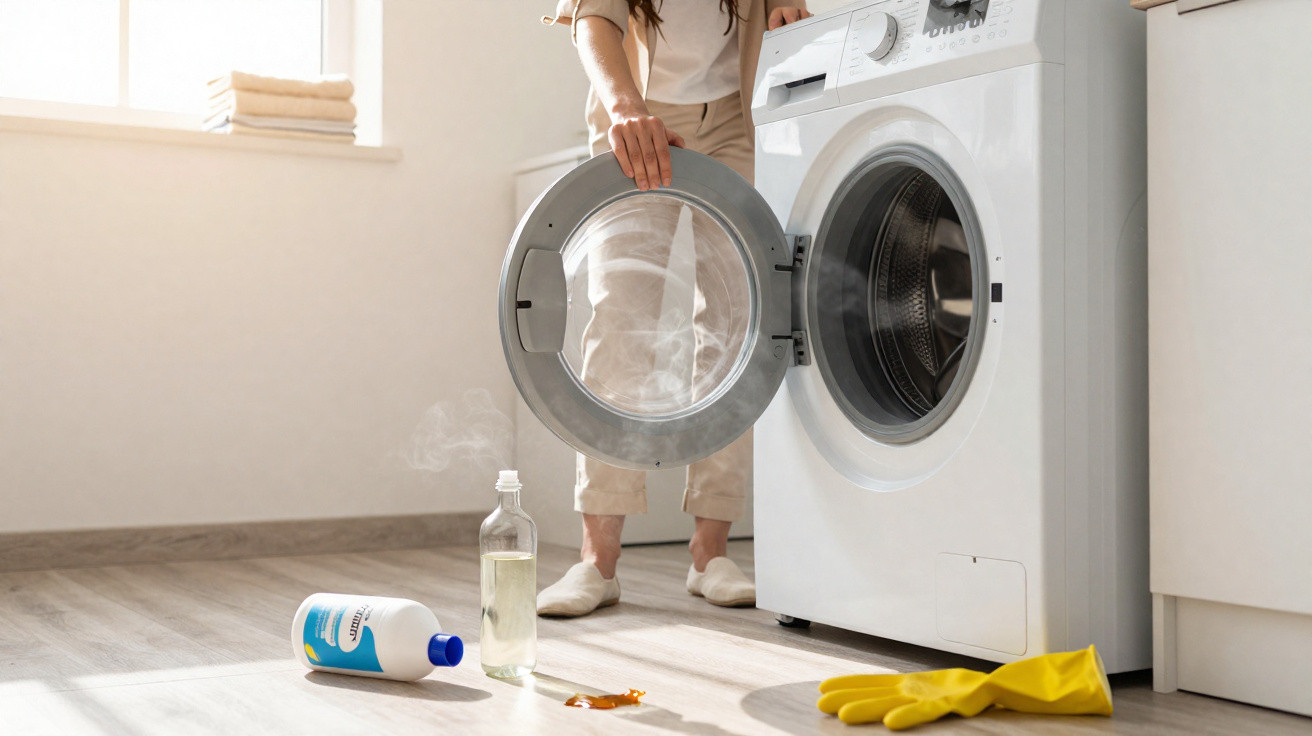
While the sponge method deals with surface debris, detergent residue, sweat and humidity can create another issue: grime hidden inside the appliance. Hot weather can intensify this. People perspire more, visit beaches or swimming pools, and bring extra sand and body oils into the machine.
Many appliance technicians now advise approaching summer differently from winter. Instead of waiting until an unpleasant smell develops, they suggest an internal clean approximately every 10 to 15 wash cycles, or roughly monthly, during warmer periods.
Simple deep-clean routine
- Run an empty hot wash at 60°C or above, without any clothes.
- Use a specialist washing-machine cleaner or an appropriate descaling product.
- Wipe the rubber door seal, where dampness and detergent deposits collect.
- Remove the detergent drawer and wash it under hot running water.
- Clean the filter every two or three months, or earlier if draining problems occur.
- Keep the door slightly ajar between washes to let moisture escape.
Together with the sponge technique, this routine can help stop mould, unpleasant odours and the grey coating that sometimes develops on frequently washed clothes.
Potential risks and limits of the sponge trick
The method is generally safe provided certain limits are observed. Issues tend to occur when unsuitable materials are used or when too much is expected from a small piece of foam.
- A sponge cannot make up for an overloaded drum, which invariably lowers washing performance.
- It cannot remove set-in stains or grease on its own; detergent and water temperature remain essential.
- For highly delicate items, including silk or lace, use a separate wash without a sponge to minimise friction.
- Do not use a sponge that has soaked up powerful chemicals, such as oven cleaner or bleach, because residues could transfer to clothing.
A brief check before every wash is worthwhile. Discard the sponge if it has an unusual smell, feels slimy or displays mould. Replacing it costs considerably less than resolving a persistent bad odour in the laundry area.
Other small tricks to reduce hair and lint
Anyone seeking better results can pair the sponge with a few other easy habits. None requires specialist gadgets or complicated routines.
- Brush pet bedding, or shake it outside, before putting it in the wash.
- Run a lint roller over especially hairy clothes before they reach the laundry basket.
- Wash items that shed heavily, such as fleece throws, separately from dark workwear.
- Clean the door seal often, since hair regularly gathers there before returning to the drum in the following cycle.
Some households also use reusable lint-catching balls designed for washing. They work in much the same way as a sponge, travelling with the laundry and drawing fibres onto their surfaces. Combining one sponge with one or two balls can be useful in homes with multiple pets or thick winter fabrics.
Thinking about the future of “low-effort” cleaning hacks
The sponge trick illustrates how modest, almost accidental ideas can alter everyday cleaning routines. Many such hacks emerge through trial and error rather than laboratory research. Even so, they can reveal areas where major appliances fall short, including pet-hair control, odour prevention and straightforward maintenance.
Manufacturers are already testing integrated lint-collection systems and self-cleaning programmes. Until these features are standard and affordable, inexpensive steps such as placing a dish sponge in the drum, using regular hot “maintenance” washes and leaving the door open between loads may help look after both clothing and the appliance. For households constantly battling pet hair and damp summer laundry, that small square of foam in the drum could be the easiest improvement to try this week.
Comments
No comments yet. Be the first to comment!
Leave a Comment