
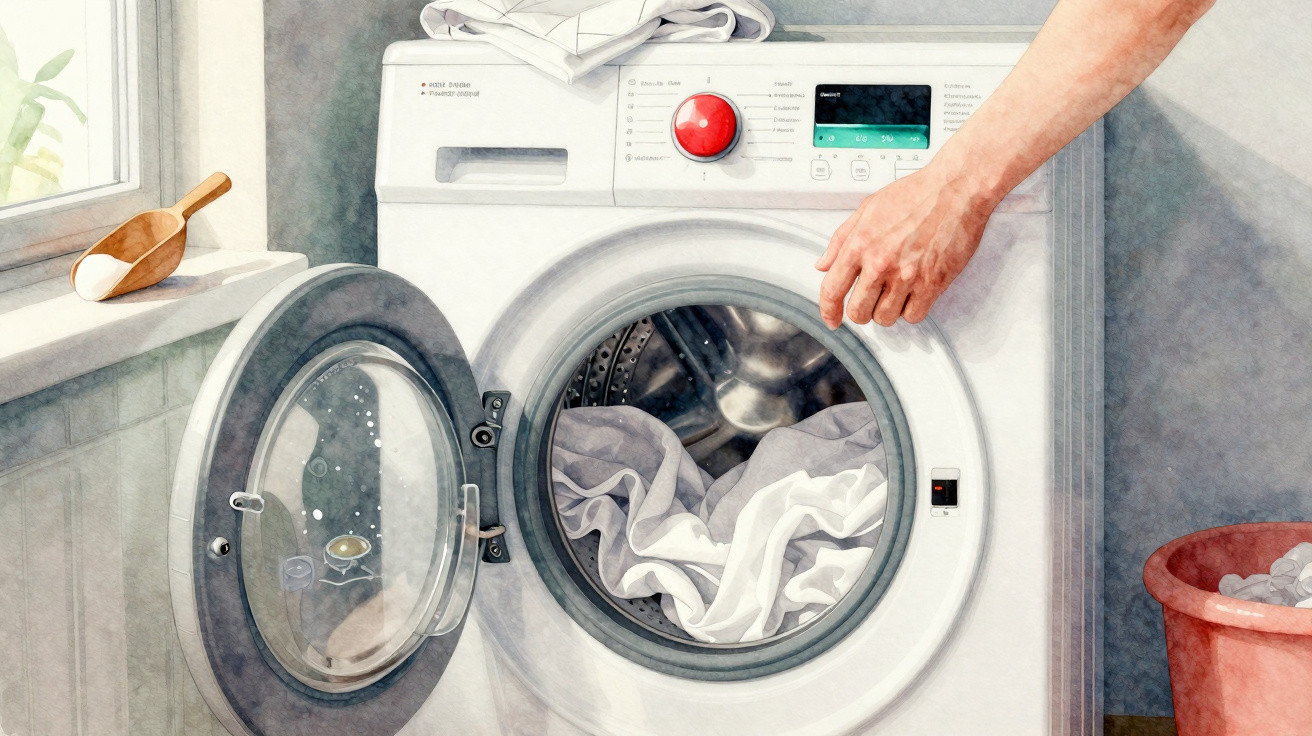
For many people, it is simply an ingrained routine.
For decades, households have set the washing machine to 60 °C or even 90 °C, believing that near-boiling water is the only way to make bedding “truly clean”. This belief stems from hospital laundry protocols rather than ordinary domestic life, and it increasingly conflicts with current advice from hygiene experts.
Why “dirty” sheets still worry us
Bed linen lies against our skin for many hours at a time. It picks up perspiration, shed skin cells, dust, natural body oils, traces of make-up, pet fur, pollen, and a varied collection of bacteria and mites. Although that may sound unappealing, not every one of these substances poses a risk.
Microbiologists stress that beds are never completely sterile, nor should they be. Our bodies naturally host microbial communities, and some of them inevitably transfer to fabric. The important issue is not whether microbes are present in your sheets, but whether their levels are managed well enough to avoid infections, skin irritation or allergies.
Health agencies now focus less on killing everything at any cost and more on keeping microbial levels low enough for a healthy household.
This change in thinking is why the traditional belief that “hotter is always better” is no longer appropriate for most homes.
Temperature is only one part of effective laundry cleaning
The association between hygiene and high temperatures originates in institutional environments, including hospitals, care homes and medical laundries. In these settings, pathogens are continually present and linen is used by multiple patients. Hot water is one protective measure among several, together with strong detergents and tightly controlled handling procedures.
At home, factors beyond the temperature setting are equally important. Laundry specialists commonly refer to four elements, known as the “Sinner’s circle”:
- Temperature – the heat reached by the water.
- Time – the length of the programme and the time available for detergent to act.
- Mechanical action – the movement of the drum that works soil out of the fibres.
- Chemistry – the type and amount of detergent used, including enzymes and disinfecting ingredients.
Modern detergents have transformed how laundry is cleaned. Their enzyme combinations begin to break down perspiration, sebum and skin deposits at 30 to 40 °C. Certain products also contain oxygen-based bleaching compounds or targeted antibacterial ingredients that work without requiring scalding-hot water.
Recent lab tests show that a 40 °C cycle with a modern enzymatic detergent can remove up to 99% of bacteria on sheets, very close to 60 °C performance.
There is one condition: the programme must run for long enough. Fast 20-minute cycles are generally designed to freshen lightly used clothing. They do not provide sufficient time for detergent chemistry and drum movement to thoroughly clean a week's accumulation of sweat and particles lodged in bedding.
Why 40 °C is generally sufficient for healthy households
For regular sheet washing in families with no significant health concerns, textile and hygiene professionals increasingly identify 40 °C as a practical standard. At this temperature, enzymes perform effectively, colours are better preserved and cotton fibres experience less strain.
Moving from 60 °C to 40 °C also substantially reduces energy use. In many washing machines, heating the water represents the largest share of electricity consumption. Households running multiple hot washes each week can easily overlook how much those extra degrees cost across a year.
| Wash setting | Goal | Main pros | Main cons |
|---|---|---|---|
| 30 °C | Very delicate or lightly soiled laundry | Protects fibres and colours, low energy use | Limited hygiene margin for sheets |
| 40 °C | Routine sheet washing in healthy homes | High bacterial reduction with good detergent, energy savings | Relies heavily on detergent quality and cycle length |
| 60 °C | Risk situations, allergies, heavy soiling | Better margin against mites and some viruses | Higher wear on fabrics, higher energy use |
| 90 °C | Exceptional cases, almost hospital-level use | Very aggressive against organic dirt | Damages fabrics, high cost, often unnecessary |
Public-health guidance in several European countries now broadly follows a straightforward approach: choose 40 °C with a good-quality detergent on most occasions, wash bedding weekly or fortnightly according to how much you perspire, and reserve hotter cycles for particular situations.
When a 60 °C sheets wash remains appropriate
Does that mean hot washes should disappear entirely? No. Infectious-disease specialists still recognise a role for 60 °C in the home, although it should not be the everyday default.
Particular risk scenarios
Increasing the temperature to 60 °C provides an added safety buffer in several distinct circumstances:
- Contagious illness at home: recent gastroenteritis, influenza, COVID-19, or skin infections where bodily fluids may have soiled the bedding.
- Allergy to dust mites: for people with confirmed mite allergy or severe asthma, a hot wash roughly once a month can help reduce allergen load.
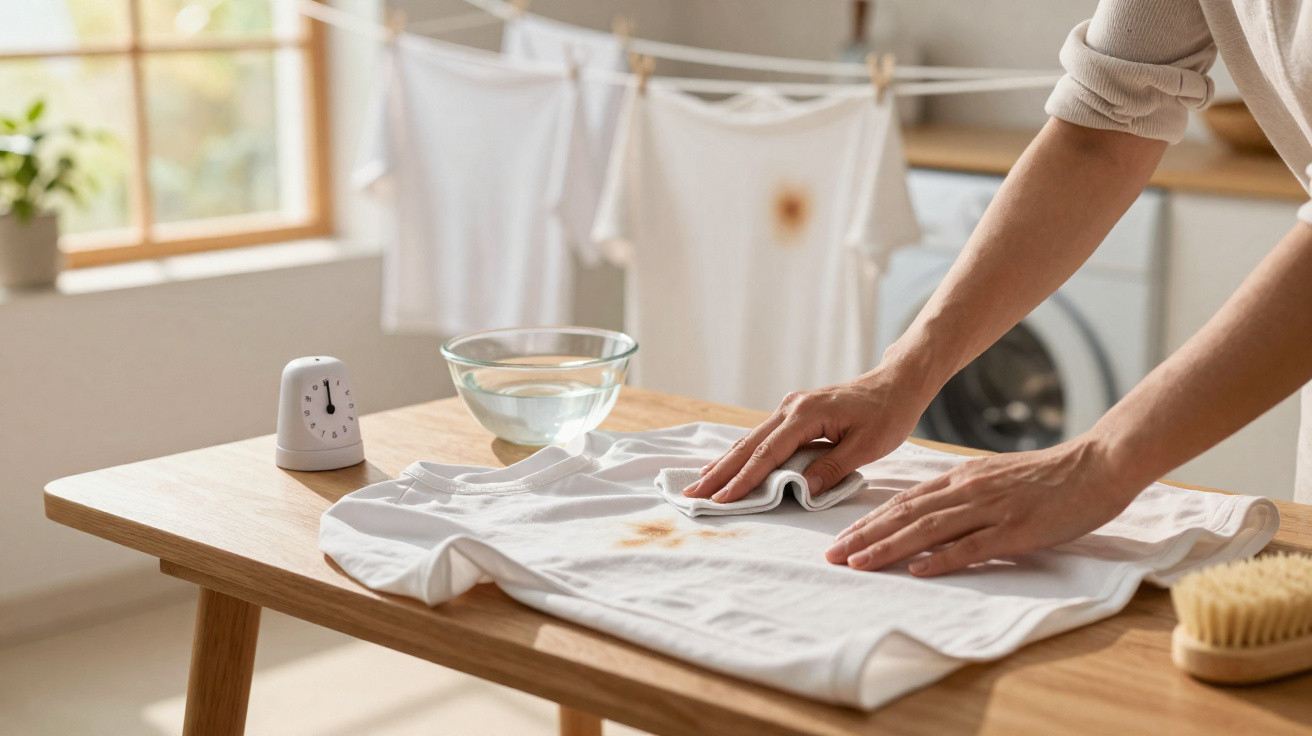
- Heavily soiled sheets: blood, vomit, or urine require stronger treatment, sometimes combined with a pre-wash or stain treatment.
Dust mites are not killed in large numbers at 40 °C; their lethal temperature is nearer the mid-50s °C. Hospitals and care homes use so-called “thermo-disinfection” programmes at around 60 °C because they process an ongoing volume of high-risk fabrics.
For households with fragile members, 60 °C acts as a targeted tool rather than a permanent setting: use it when risk rises, not every single laundry day.
How regularly should sheets be changed?
Advice differs slightly, yet many hygiene specialists broadly agree on the following routine:
- Change bed linen about once each week for adults.
- Replace it more frequently during heatwaves or when you sweat heavily overnight.
- Wash children's sheets more often where bedwetting or illness is involved.
Infrequent sheet changes, together with low-temperature and short programmes, encourage odours and biofilms to build up in the fabric. This is often why people find that their “freshly washed” bed smells stale again after only one night.
Why 90 °C is seldom suitable for routine home washing
A domestic washing machine's 90 °C setting can feel reassuring. It appears to offer a nuclear option capable of destroying every microbe. Laundry professionals take a different view.
At these extreme temperatures, cotton fibres deteriorate more quickly, colours lose their brightness, elastic elements lose stretch and some fabric finishes degrade. For bedding, the result can be gradual thinning, pilling and shrinkage. Most bedding manufacturers do not make domestic sheets to withstand repeated boiling washes.
Energy demand rises sharply as well. Bringing water from cold to 90 °C requires considerably more electricity than heating it to 40 °C or 60 °C. For a typical family seeking lower bills and reduced emissions, regular boiling washes soon appear misaligned with climate objectives.
Textile engineers now tend to reserve 90 °C for very specific cases: white cotton rags, heavily contaminated cleaning cloths, or near-hospital conditions, not ordinary bedsheets.
For almost all households, the more effective approach is to use longer 40 °C cycles, add occasional 60 °C washes when risk is higher, and combine this with proper drying and frequent sheet changes.
Drying, storage and the overlooked part of being “clean”
Water temperature is only one half of the hygiene picture. The treatment of sheets after washing matters just as much.
Drying: an essential defence against microbes
Microorganisms thrive in damp textiles. When freshly washed sheets remain moist in a crumpled heap, bacterial levels can increase once more.
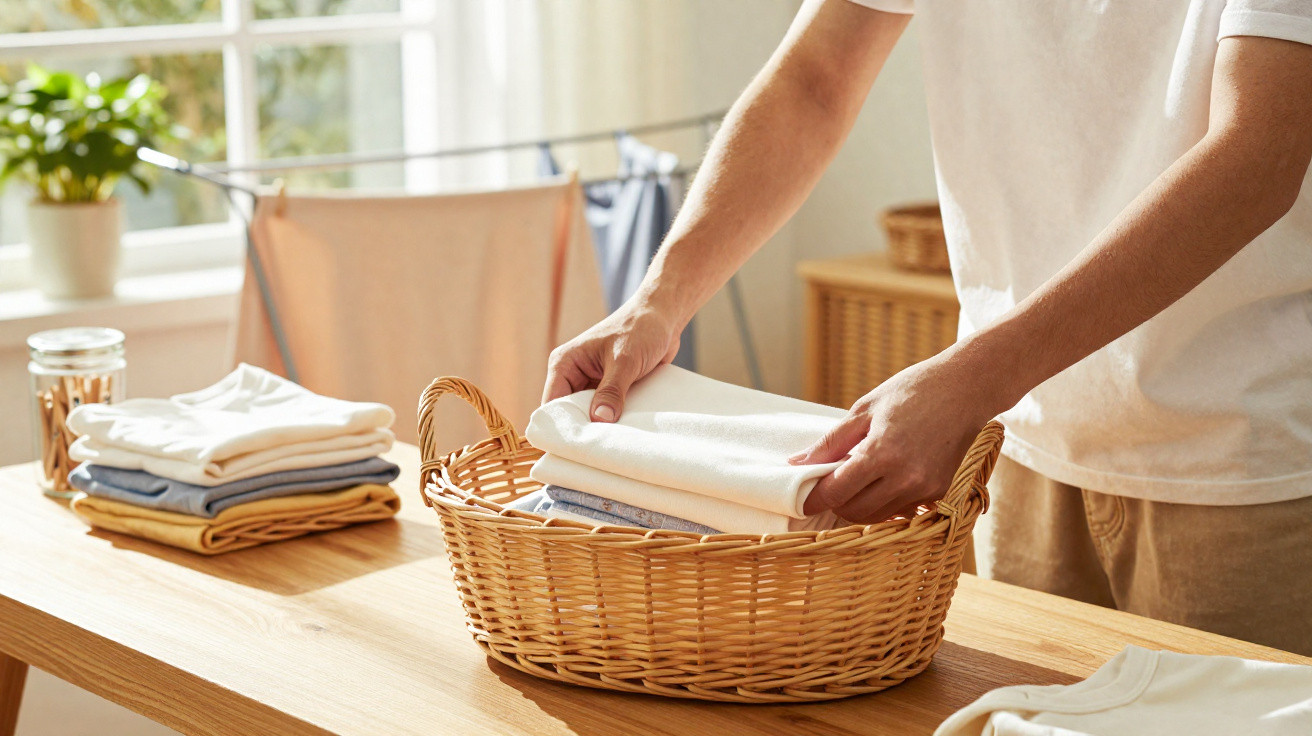
- Aim for rapid drying outdoors or use a tumble dryer on a moderate programme.
- Do not leave wet washing in the drum for several hours once the cycle has finished.
- Make sure thick cotton sheets are completely dry within their folds, rather than merely dry on the outside.
Some research indicates that tumble drying provides a modest additional reduction in microbial levels because of its heat and airflow. However, line drying is also highly effective when it is done promptly in a well-ventilated space.
How and where to store bed linen
Fresh linen will not remain particularly clean if it is kept in a dusty, humid cupboard. Enclosed, dry storage that is aired occasionally is preferable to piles tightly packed into a steamy bathroom cabinet. Mite-proof covers for mattresses and pillows may also help with allergy control between washes.
Selecting detergents and programmes that genuinely perform
The information on a detergent pack is more significant than many people realise. Choose products that clearly mention enzymes, anti-odour technology or “hygiene” claims that specify lower-temperature effectiveness. Fragrance is not proof of cleanliness; it merely conceals odours.
Short eco and “rapid” programmes are appealing to people wishing to save time and water. With bulky loads such as sheets, however, they can be counterproductive because the machine cuts programme length and sometimes the amount of water used. A longer 40 °C cycle with an effective detergent can offer better hygiene than an extremely hot but very brief wash.
One useful practice is to wash sheets and pillowcases alongside items with a similar level of soiling, rather than greasy kitchen towels or mud-covered sports kit. Combining very different laundry types makes it more difficult for the detergent and drum action to work effectively throughout the load.
What lower temperatures mean for energy bills and skin
Reducing washing temperatures may significantly lower laundry electricity consumption over the course of a year. For families washing several bedding sets every week, changing most sheet cycles from 60 °C to 40 °C can create noticeable savings without undermining hygiene.
Skin comfort is another consideration. Frequent high-temperature washing makes cotton fibres rougher, leaving them more likely to feel scratchy against sensitive skin. Coloured and printed bedding also retains its appearance for longer at 40 °C, so worn sets need replacing less often.
Conversely, people with eczema or allergies can sometimes react to detergent residue left in textiles. In these circumstances, an additional rinse, accurate detergent dosing and fragrance-free products usually matter more than increasing the temperature.
Beyond sheets: other bedroom textiles to consider
Focusing only on large cotton sheets overlooks other bedroom fabrics that gather the same combination of sweat, dust and microbes.
- Pillowcases should be changed on the same schedule as sheets, or more often if you apply facial products before bed.
- Duvet covers generally benefit from being washed whenever sheets are changed, particularly in warmer months.
- Mattress protectors should be washed at 40 or 60 °C every one to three months, according to allergies and accidents.
- Blankets and throws are easily overlooked. Several thorough 40 °C washes each year help restrict dust accumulation.
When these fabrics are cleaned on a sensible schedule, there is far less need to subject sheets to 90 °C washes. The whole bedroom becomes easier to maintain, with fewer places for dust to collect and lower levels of allergens.

Comments
No comments yet. Be the first to comment!
Leave a Comment