
The explanation may be more unexpected than you think.
A straightforward cleaning habit is gaining traction on cleaning forums and social media groups, where people are seeking inexpensive, low-chemical ways to make kitchens smell fresher and keep ovens simpler to clean.
Why a single lemon slice can change the smell of your oven
Kitchens hold on to many smells: yesterday's roast dinner, spots of tomato sauce and the lingering trace of scorched cheese. Much of it finds its way into the oven, where grease, moisture and tiny food remnants remain in a warm, enclosed area.
Once the oven has cooled, these deposits stay on its walls and around the door seals. Gradually, they can give off a flat, stale odour that spreads through the kitchen, even when the appliance appears fairly clean.
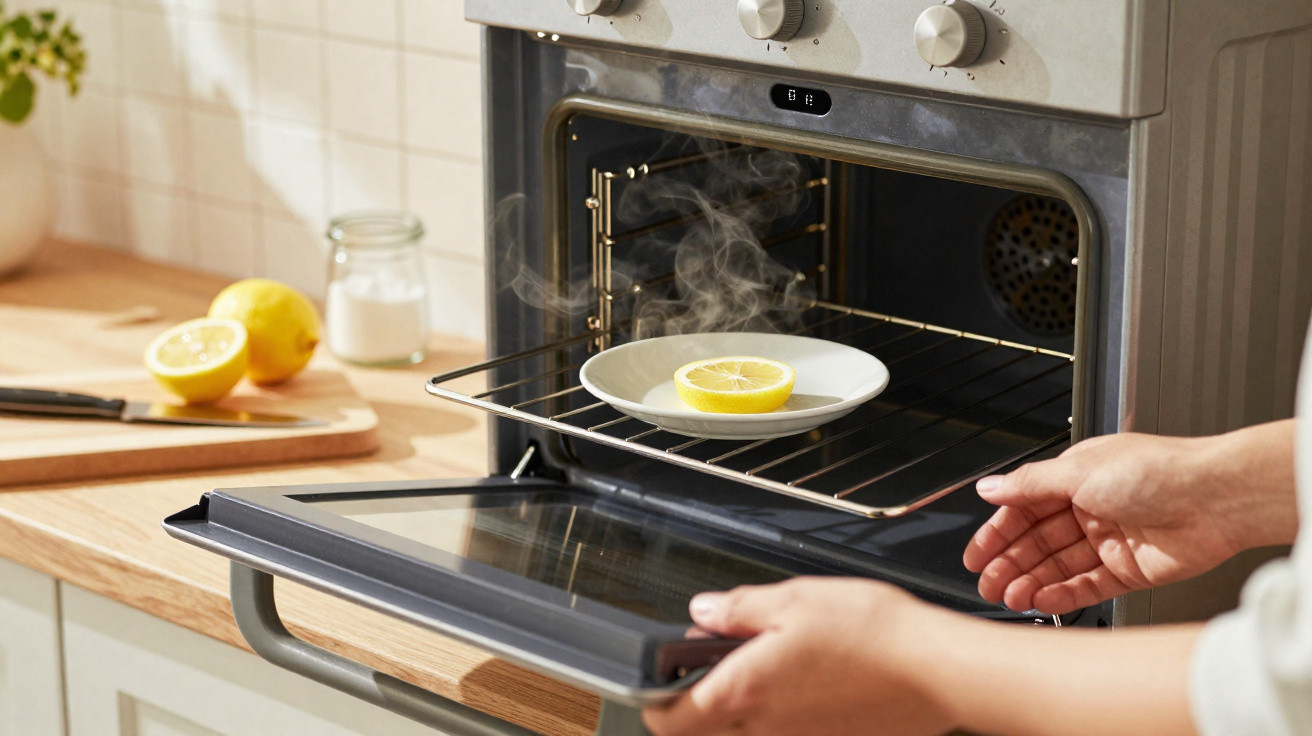
Putting a fresh lemon slice in a cold, switched‑off oven gives you a slow, natural deodoriser that works while you sleep.
Lemons contain citric acid alongside fragrant oils. These substances can help lift light greasy coatings, limit odour-producing bacteria on surfaces and replace the “old oven” smell with a cleaner, crisper scent.
How the chemistry of lemon works in a cold oven
Citric acid interacts with mineral residue and fine layers of baked-on grease, making them a little softer. A single slice will not provide a deep clean, but it can make surface dirt easier to wipe away the following day.
The essential oils in lemon release gradually, even at room temperature. Within the enclosed space of a shut oven, the aroma circulates and settles on the walls and racks. This can help neutralise cooking odours rather than merely covering them with a strong perfume.
Bacteria that flourish in the warm, moist crevices of a door gasket may encounter a less welcoming environment after several hours in an acidic, mildly antibacterial atmosphere.
Key benefits of the cold-oven lemon trick
- Odour control: helps cut lingering odours from fish, meat, cheese and sugary spillages.
- Easier cleaning: loosens light grease layers, allowing them to be removed with a cloth rather than vigorous scrubbing.
- Reduced chemical reliance: can reduce the use of powerful oven sprays and aerosols.
- A fresher-feeling kitchen: when the oven smells cleaner, the whole room often does too.
- Minimal effort and cost: all it takes is one lemon slice, several hours of contact and a quick wipe.
The hack will not replace a full deep‑clean, yet it stretches the time between heavy scrubs and keeps everyday smells under control.
Which lemons work best and where to put them
Any fresh lemon can work, although certain options produce a more noticeable result than others.
Choosing the right citrus
- Standard yellow lemons: Their higher citric acid level makes them effective for tackling odours and light grease.
- Limes: They offer a comparable result with a more piercing fragrance, though they often contain slightly less juice.
- Very ripe or dry lemons: With less juice and aroma, these tend to be less effective.
Organic fruit has no wax coating on the peel, which some people favour if the slice will remain in a warm appliance for several hours.
Placement inside the oven
Where you put the slice can influence how evenly its scent travels and how straightforward cleaning up will be.
- Use an oven-safe tray so that juice cannot drip directly on to the racks.
- Set the tray in the middle of the oven to allow the fragrance to circulate on every side.
- If you intend to warm the oven later, choose a small heatproof dish that can remain inside during a brief warm-up.
| Goal | Best citrus | Recommended placement |
|---|---|---|
| Daily freshening | Standard lemon slice | On a tray, middle rack, door closed overnight |
| Pre-clean softening | Thick, juicy slice | In a small dish, middle rack, before a warm wipe-down |
| Strong food smells | Lemon plus extra peel | Tray near centre, 12 hours if possible |
Step-by-step: how to use a lemon slice in a cold oven
Basic overnight method
- Slice a fresh lemon into a thick slice roughly one centimetre wide.
- Put the slice on an oven-safe tray or into a small dish.
- Check that the oven is switched off and completely cold.
- Position the tray on the middle rack, then close the oven door.
- Leave it in place for 2 to 12 hours, ideally overnight.
- Take out the lemon and wipe the surfaces using a dry or lightly dampened cloth.
- Where the odour is still pronounced, use another fresh slice the following night.
Boosted version before a light clean
For a somewhat more powerful result, some people briefly heat the oven once the lemon has been placed inside.
- Place the lemon slice in a small, oven-proof bowl with a spoonful of water.
- Warm the oven at a low setting for 5–10 minutes, before switching it off.
- Leave the door closed for a further hour to let the vapour move around the oven.
- After it has cooled, wipe the walls and door with a damp cloth or microfibre pad.
Never leave a forgotten lemon in a hot oven for long periods, and always let the appliance cool before you wipe.
When to do it for the best results
Cleaning specialists generally regard the lemon approach as ongoing maintenance, not a solution for an extremely dirty oven. When you use it affects how useful it is likely to be.
- After cooking fish or fatty meat: add a slice when the oven has returned to room temperature.
- Once a week: make it a regular freshening routine if you roast or bake frequently.
- The night before a proper clean: use it to soften light dirt and reduce scrubbing time.
Those who roast often or cook with plenty of cheese commonly notice a distinct change when they follow a weekly routine. People who use their oven infrequently may only need the lemon step after meals with particularly strong smells.
What this trick can and cannot do
Where lemon helps
The lemon method is most useful for everyday background odours and minor surface build-up. It works well alongside microfibre cloths and mild plant-based cleaners, meaning harsh products may be needed less often.
It can also encourage a useful routine: placing a slice in the oven makes you more likely to spot spillages and clean them up before they become carbonised.
Where you still need heavy cleaning
A lemon slice left nearby overnight will not remove thick, blackened deposits of burnt food. In those situations, proper degreasing products, scrapers or a complete self-cleaning cycle are still required, if your appliance has that function.
Anyone with severe citrus allergies should not use this method, or should wear gloves and ensure the kitchen is well ventilated, because the oils may irritate sensitive skin and airways.
Other small, natural habits that support a fresher kitchen
The lemon-in-oven trick forms part of a wider move towards easy, low-waste cleaning routines. Many households pair it with baking soda in the fridge, vinegar rinses for kettles and frequent cleaning of seals on refrigerator and oven doors.
To take the idea further, save lemon halves left over from cooking, remove any visible pulp and rub them over greasy trays as a final step before washing them in the sink. This can reduce detergent use while getting a little more use from the same fruit.
Over time, minor habits such as these can add up. They reduce the level of cleaning chemicals in the air, mean fewer plastic bottles are kept in cupboards and can make kitchens more pleasant places to work. One lemon slice in a cold oven is a small action, but it brings together thrift, health concerns and growing interest in what basic home chemistry can achieve.



Comments
No comments yet. Be the first to comment!
Leave a Comment