
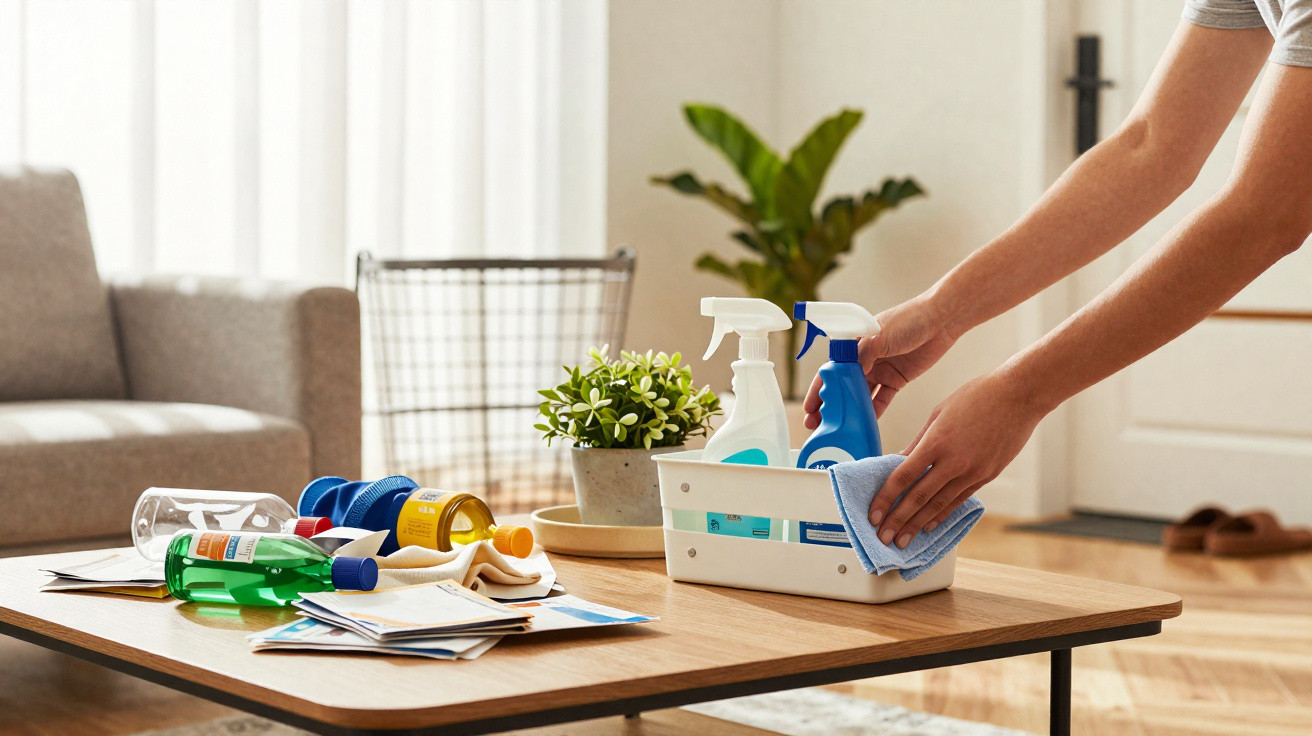
The vacuum cleaner is parked in the hallway like a bored dog. You have only just wiped the kitchen worktops, yet they somehow appear grubby again. Outside, the sky has that pale, weary look it gets at the end of the day, and indoors you feel much the same. Plates, crumbs and fingerprints on the fridge door – it never ends.
You spray, scrub, fold and put things away, but the house never seems to cross that invisible threshold into “actually clean”. It is like trying to drain a bath while the tap is still on. Somewhere between the laundry basket and the bathroom mirror, you begin to ask yourself whether the issue is really the mess… or how you are tackling it.
Here is the understated truth that can change everything.
The hidden mistake that leaves your home permanently “almost clean”
The most frequent cleaning mistake has nothing to do with using the wrong product or lacking an expensive steam mop. It is cleaning in scattered bursts rather than using defined zones and routines. Most people deal with whatever catches their eye first: a sock over here, a mug over there, a dust bunny beneath the chair. In the moment, it seems productive.
But the outcome is a home that is partly done everywhere, all the time. Your mind is continually searching for the next task. You move from room to room and spray to spray, without ever fully completing one area. That is why cleaning can feel never-ending: you are running round in circles after chaos.
Imagine a Sunday morning. You begin in the kitchen because the sink is overflowing. While the coffee is brewing, you load the dishwasher and then spot crumbs on the floor. So you pick up the broom. Midway through sweeping, the washing machine beeps. You stop and switch the laundry. Walking back, you notice toothpaste marks on the bathroom mirror.
You clean the mirror, which makes you think of the shower screen. You look at the limescale, feel a little disheartened, then return to the kitchen. The broom is still lying on the floor. At some point, a child asks for a snack, your phone buzzes, and before you know it, it is 4 p.m. and not one room feels complete. Technically, you have been “cleaning” for hours. In practice, you have only been firefighting.
There is a straightforward reason this cycle of chaos is so draining: your brain takes a hit whenever you change tasks. Every tiny choice – “Should I fold this now?”, “Do I vacuum or dust first?” – uses up your concentration. Time disappears as you repeatedly start and restart the same job, while clutter continues demanding attention from every corner. If nothing is ever properly finished, your stress remains elevated.
That is why your home can seem like a moving target. It is not because you are lazy, nor because your family is impossibly untidy. The system is wrong. You are attempting to deep-clean and manage emergencies simultaneously, without a visible finishing point. Anyone would become exhausted in that cycle.
The simple change that makes cleaning easier – and lets it actually end
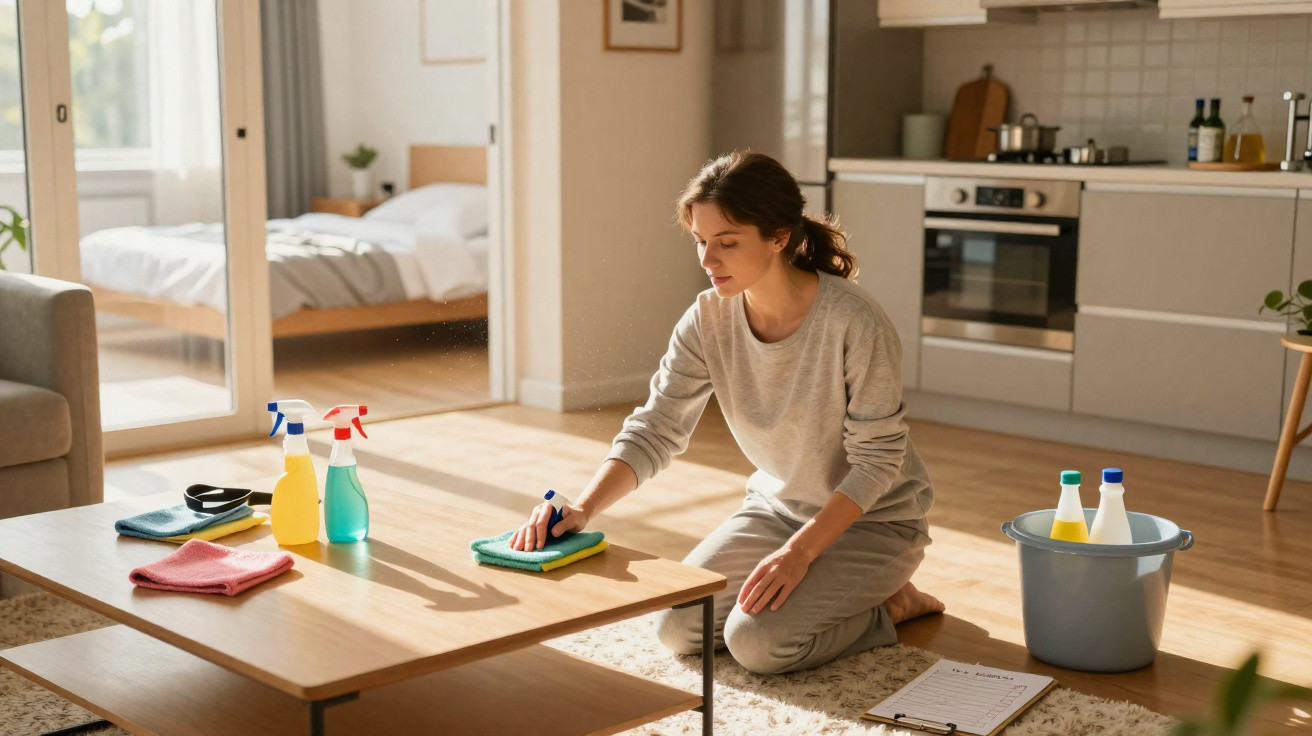
The answer to relentless cleaning sounds unremarkable on paper but works like magic in daily life: clean by zones, using small routines you can repeat. Choose one area – “kitchen surfaces”, “bathroom sink and mirror” or “living room floor” – and leave everything else alone until that task is complete. It does not have to be perfect. It has to be done. Then pause and enjoy that modest win.
This is how you move from pursuing mess to creating maintenance. For instance, you could set aside five minutes each evening to reset only the kitchen worktops and sink. Every Saturday morning, spend ten minutes on the bathroom sink and toilet, with nothing else added. The important thing is not effort at full intensity. It is consistency and firm boundaries. You know when the job begins, and you know when it finishes.
Most people struggle not because they do not understand how to clean, but because they try to do everything every time. The entire house turns into one huge, guilt-inducing to-do list. It is hardly surprising that you end up scrolling on the sofa while acting as though you cannot see the shoes by the door. Let’s be honest: nobody cleans their skirting boards every week, regardless of what Instagram says. And that is perfectly fine.
A gentler method is to decide what “good enough” means on most days. Perhaps that means uncluttered kitchen surfaces, no noticeable dust in the living room and a bathroom that does not smell like a changing room. Everything else can be rotated. This allows you to stop criticising yourself for what was not done and quietly appreciate what was.
One homeowner I spoke to put it this way:
“Once I stopped trying to clean the whole house and just focused on finishing one tiny zone at a time, the mess stopped shouting at me. My home didn’t suddenly become perfect, but it finally felt like it had a rhythm.”
That rhythm is what makes a home feel peaceful rather than continually “under construction”. It also allows you to enjoy living there, instead of viewing every room as a project that never gets completed. In practical terms, it means shorter checklists and more visual breathing space.
- Pick 3 daily non-negotiables (for example: dishes, worktops and sweeping one floor).
- Allocate 1–2 weekly zone tasks (bathroom, dusting or sheets) to particular days.
- Leave everything else outside those times alone – it is not “urgent”, only visible.
Cleaning by zones: how to create a home that does not fight back
The more significant change is not about cleaning products at all. It is about viewing your home as a living system rather than an endless test you keep failing. Once you identify the real mistake – that frantic, unfocused approach of cleaning “a bit of everything” – you cannot unsee it. That is positive, because it means you can choose to step away from it.
You can begin very small. Select one room where you decide, “Here, I’ll finish what I start.” Establish one routine that suits you, rather than a cleaning influencer with three spare hours and flawless lighting. You may be surprised by how quickly your mind settles when it can recognise a distinct beginning and a real end.
We have all experienced that quiet moment of looking around and thinking, “I can’t keep living like this.” The reality is that your home does not require a personality transplant. It needs a pattern that works for the real people living in it: a pattern in which mess is normal, cleaning has a limit and rest is not something you must earn with a spotless floor.
When you name the mistake that makes cleaning feel endless, the conversations around it shift. Friends exchange five-minute routines rather than stories of shame. Children are given one straightforward evening task instead of an unclear instruction to “help more”. Partners can understand what “done” looks like instead of having to guess. That is how a house stops feeling like a battlefield and quietly becomes somewhere you can breathe again.
| Key point | Detail | Benefit for the reader |
|---|---|---|
| Clean by zones | Finish one zone before starting another | Reduces the feeling that everything is permanently unfinished |
| Small but regular routines | 3 daily tasks and a few weekly tasks | Keeps the home manageable without spending every weekend cleaning |
| Define “clean enough” | Accept that everything will not be perfect all the time | Lessens guilt and the mental fatigue associated with housework |
FAQ:
- What exactly is the “common mistake” in cleaning? The main error is cleaning in random, scattered bursts rather than following clear zones and routines. You keep changing tasks, so nothing ever seems complete.
- How do I start cleaning by zones if my home is already a mess? Choose one small area, such as the kitchen worktop, and restore only that area while ignoring everything else. Do it daily for a week before adding another task.
- Do I really need a strict cleaning schedule? No. You only need a light structure: several daily essentials and straightforward weekly tasks. There should be enough rhythm for your brain to understand what “done for today” means.
- What if my family keeps undoing my work? Give everyone one clear, easy task linked to a particular moment, such as after dinner or before bed. Clear instructions beat vague requests to “help more” almost every time.
- How long should daily cleaning actually take? For many households, 20–40 focused minutes spread across the day is realistic. The aim is manageable consistency, not marathon cleaning sessions.

Comments
No comments yet. Be the first to comment!
Leave a Comment