
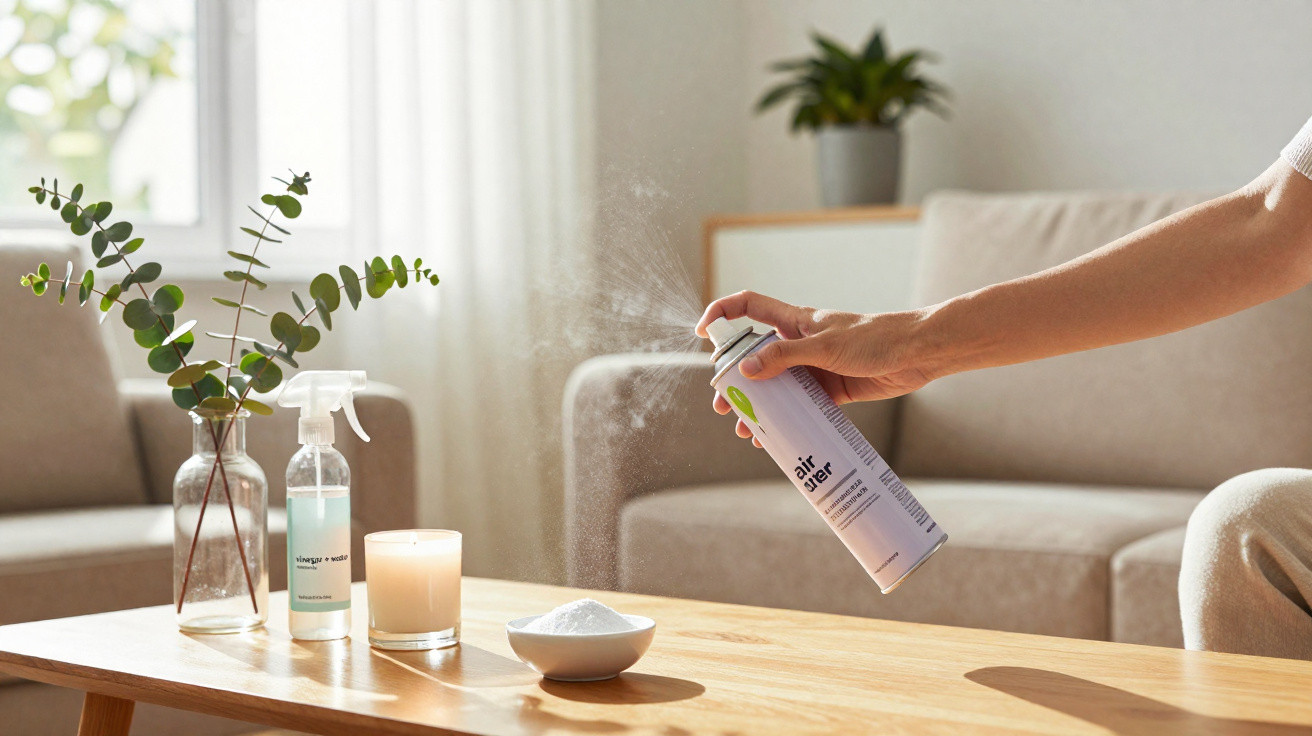
A gentle perfume drifts through the living room, sweet and slightly artificial, settling into the curtains and cushions. Beside the house keys on the console table, a small plastic plug-in flashes a tiny blue light as it quietly works hour after hour.
The homeowner seems pleased. “It’s great, right? I barely have to clean now. The house always smells fresh.” Guests agree, because nobody wants to be the one to say, “Actually, this kind of shortcut might be wrecking your lungs”?
We have begun using fragrance as a filter over everyday life: cover the smell first and clean later - if at all.
That is where the problem starts.
The shortcut that smells amazing… and lingers for all the wrong reasons
Step into any supermarket and you will find it immediately: a whole aisle devoted to “freshness”. There are plug-ins, sprays, scented gels, wax melts and “odour neutralisers” smelling of vanilla cupcakes or alpine forests. The advertising is smart. These products are not really selling cleaning ability; they are selling a feeling - comfort, security and a home that earns a quietly impressed “wow” from visitors.
That is how this controversial shortcut slips into daily life. Rather than removing dust from skirting boards or cleaning the bin, plenty of people simply turn up an air freshener or spray the room until it feels “reset”. Freshness becomes a display rather than something real. The house may look unchanged, but the story your nose receives is entirely different.
It seems innocent enough on the surface. It is only a fragrance, isn’t it? The sort that offers a long lasting fresh home smell for almost no effort. Yet the air retains what we release into it.
For years, public-health researchers have been wary of these products. One large survey across several countries found that most homes use some kind of fragranced product weekly, and often daily. Many people experience headaches, asthma flare-ups or nausea around strong household fragrances, but seldom link the symptoms to the scent. Instead, they put it down to stress, poor sleep or “a touch of a cold”. All the while, the plug-in continues glowing in its socket.
A US study of fragranced consumer products found that a sizeable proportion of people suffer health symptoms from them, even at concentrations commonly present in homes and workplaces. Another assessment detected dozens of volatile organic compounds (VOCs) emitted by air fresheners, some of which are regarded as potentially hazardous. These are not horror-film quantities, but they can gather in enclosed rooms, particularly small bathrooms, bedrooms and children’s rooms with shut windows. That “clean hotel room smell” you enjoy may be a cocktail your lungs are quietly having to deal with.
So, what is happening inside that attractive little diffuser or can of “linen mist”? Most long lasting fresheners function by steadily releasing VOCs into the room. These chemicals evaporate readily, move through the space and cling to soft materials including fabrics, carpets and even dust. Your nose interprets this as “freshness”. Your body, meanwhile, must process the compounds through your lungs, skin and, in some cases, even your bloodstream.
Some formulas may react with ozone in the air, creating secondary pollutants such as formaldehyde and ultrafine particles. This does not require laboratory conditions; it can take place in your own living room. As homes become more airtight and energy efficient, these contaminants have more opportunity to build up indoors. Genuine freshness comes from removing the source of unpleasant odours and introducing clean air. Covering an odour without tackling it is like spraying perfume onto a sweaty T-shirt and calling it washing day.
Cleaning tricks that smell good without wrecking your air
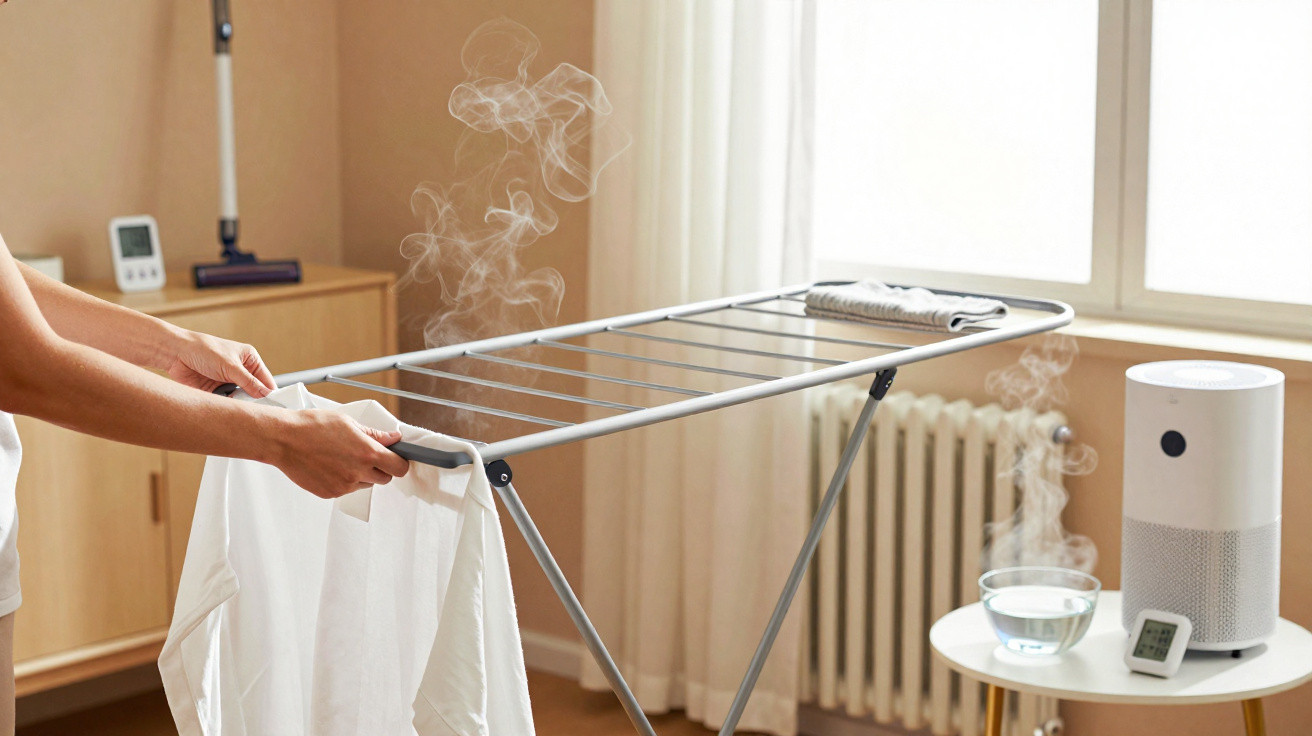
You can create that long lasting fresh home feel without making your home into a subtle chemistry experiment. It begins with one small change in approach: “remove, then scent” rather than “scent instead of remove”. Start by dealing with the usual odour traps - bins, drains, pet areas, damp towels, overflowing laundry baskets and forgotten food in the fridge.
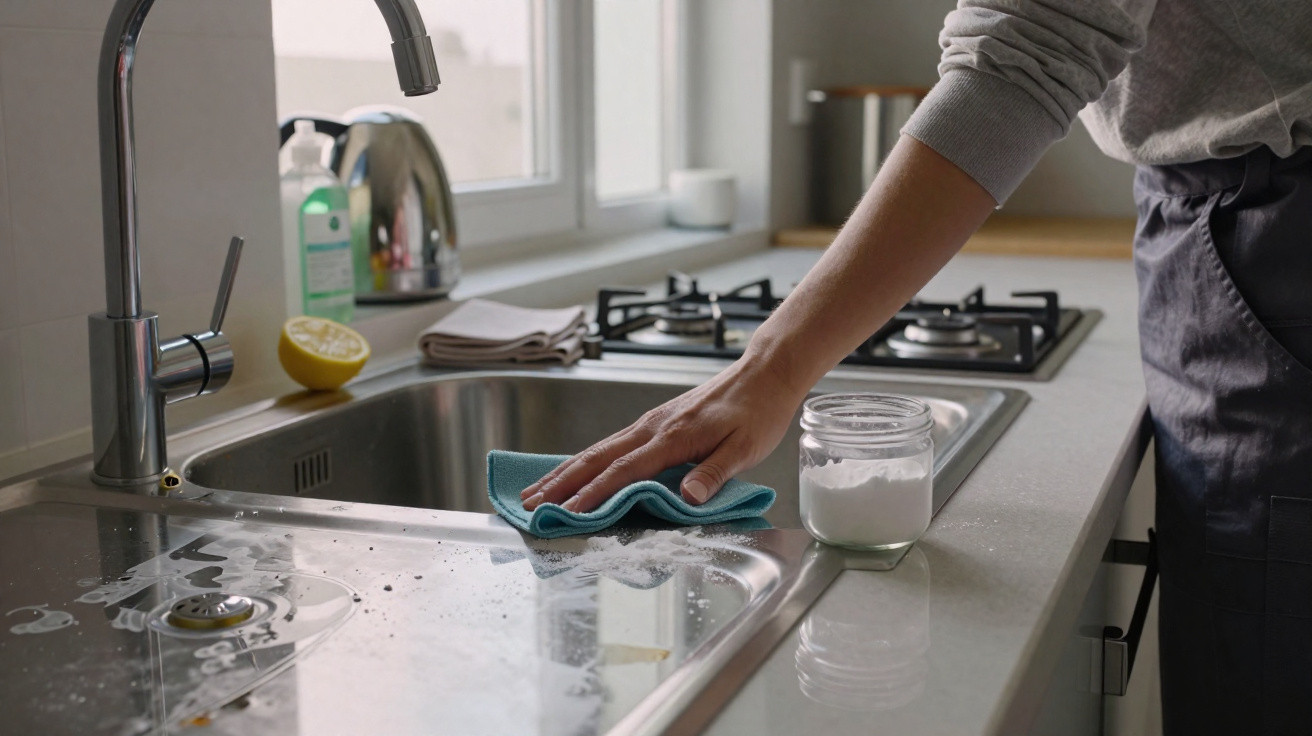
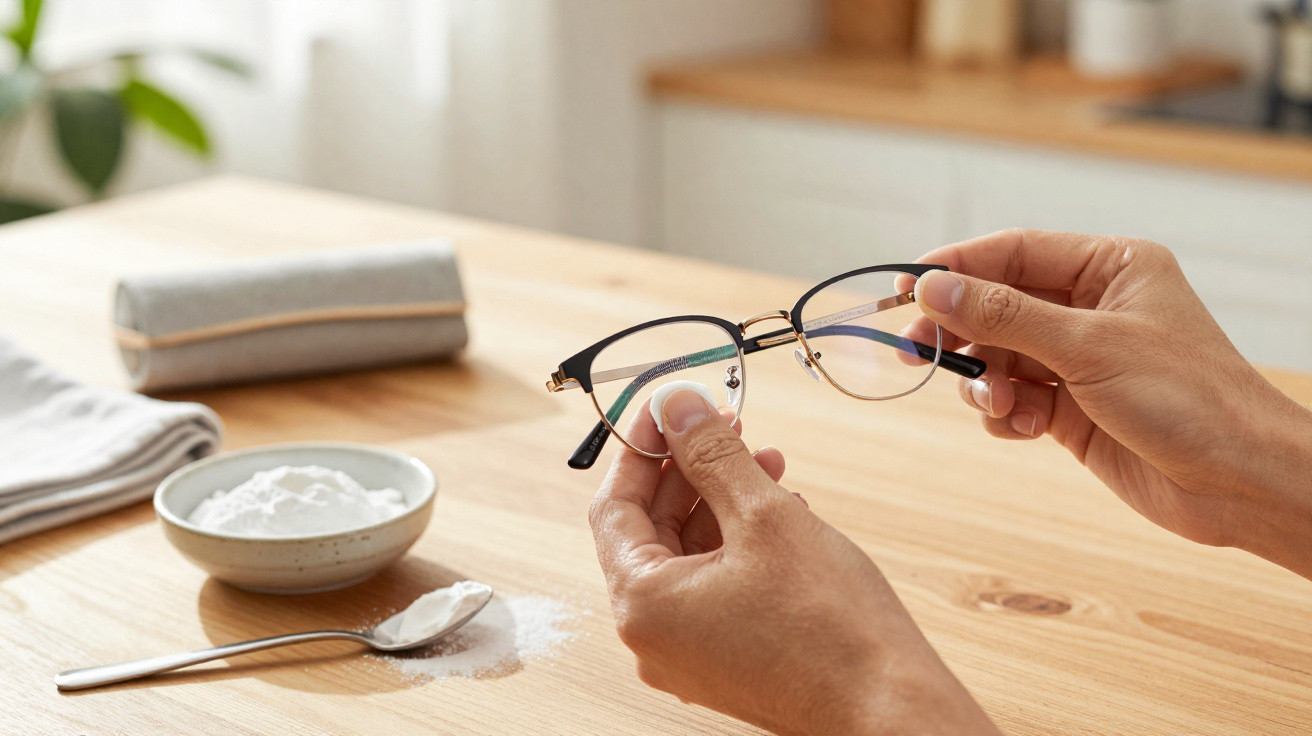
A straightforward routine can make a difference. Air the house for 10 minutes in the morning and evening, including during winter. Once or twice a week, rinse sink drains with hot water and a little bicarbonate of soda. Empty small bins regularly instead of depending on a powerful spray to disguise the smell. For a mild background fragrance, gently simmer water with lemon peel and a sprig of rosemary, or leave a jar of whole cloves and orange slices somewhere warm. It is not Instagram-perfect housework; it is simply air that feels alive again.
There is also something we rarely say openly. We often reach for air freshener when we are exhausted, overwhelmed or pressed for time. It offers a sense of control. The bathroom may not be spotless, but at least it smells of eucalyptus and mint. On a hectic weekday, that small psychological victory can matter.
Some habits, however, are less helpful. Applying perfume or strong fresheners directly to fabrics can leave chemical residues where you spend hours: on sofas, pillows and even children’s soft toys. Keeping plug-ins switched on 24/7 in bedrooms, especially behind closed doors, produces continuous low-level exposure precisely while your body is trying to recover. Let’s be honest: nobody really reads the small print on the back of these bottles. Reading labels is dull, and we tend to assume that “if it’s on the shelf, it must be fine”. The truth is more complicated.
Indoor-air-quality experts have begun using a memorable phrase: “You’re the architect of your air.” It may sound dramatic, but it reflects what is known about sealed modern homes, fragranced products and everyday routines.
“Fragrance is not just a smell, it’s a chemical exposure. The question is not panic, it’s balance: how much do you really want in the air you breathe for eight hours a night?” - Dr. Maya L., environmental health researcher
There are practical, gentle boundaries you can adopt without getting rid of every candle you own:
- Restrict plug-ins and automatic sprays to brief periods instead of using them continuously.
- Choose unscented or lightly fragranced cleaning products for routine jobs.
- Air the room after using strong products, particularly in smaller spaces.
- Introduce any new fragrance gradually if children, pets or someone with asthma live in the home.
- Try natural “passive” scents, such as dried herbs, citrus peel or an open box of bicarbonate of soda in odour-prone areas.
Living with less “fake fresh” and more real air
Once you become aware of how many scents at home come from a spray can, plug-in or gel, it is difficult to ignore. A kitchen that once seemed “clean” may suddenly smell faintly of floral detergent and heated plastic. A bedroom that felt “cosy” may reveal traces of artificial vanilla and something else you cannot quite identify.
This is not an argument for living in a scent-free monastery. People have burned herbs, resins and oils for thousands of years because we enjoy spaces that smell of something. What has changed is the scale and strength. We have moved from occasional rituals to a constant background dose - low-level, all day and every day. When outdoor pollution is high, shutting the windows and increasing the fragrance can even seem comforting, as though it creates a small dome of purity indoors. The irony is difficult to miss.
The meaningful change starts with modest experiments. Switch off plug-ins for a week and open the windows more often. Replace a heavy room spray with a bowl of coffee grounds in the hallway, or use a few drops of essential oil on a ceramic stone sparingly. Pay attention to how your head feels in the evening and to your sleep. Notice whether your children cough less, or whether your breathing feels easier while watching Netflix on the sofa. Emotionally, clean air has a different “texture” - calmer, less crowded and somehow more truthful. Practically, you reduce one more invisible everyday strain on your body.
Something amusing happens when your sense of smell resets. The forceful “pine” scent in public toilets can begin to feel almost aggressive. Heavily fragranced laundry from someone else’s home may linger on your clothes like a stranger’s perfume. You start to see how much of your idea of “fresh” was shaped by marketing rather than biology. At a deeper level, reclaiming control of your indoor air is a quiet form of self-respect. It tells your nervous system: I see you, I’ll make this space a bit kinder for you. And perhaps that, more than any synthetic “ocean breeze”, is what makes a house feel like home.
| Key point | Detail | Why it matters to the reader |
|---|---|---|
| A “clean” smell can conceal polluted air | Diffusers and sprays release volatile organic compounds throughout the day | Understand why a pleasant-smelling home is not necessarily a healthy one |
| The body can react even to repeated low doses | Headaches, irritation and asthma attacks may be connected to household fragrances | Put a name to everyday symptoms and consider possible solutions |
| Alternatives offer a more genuine kind of “fresh” | Ventilation, removing odour sources, and mild, occasional scents | Keep a home pleasant to live in without turning the air into a laboratory |
FAQ:
- Are all air fresheners dangerous? Not in a dramatic, “one spray and you’re doomed” way. The concern is prolonged, repeated exposure in enclosed spaces, particularly where strong or several products are used.
- Are natural or “eco” fresheners safer? They may still release VOCs and cause reactions. “Natural” does not automatically mean harmless, so use them lightly and keep rooms well ventilated.
- Can essential oils replace plug-ins? They are less synthetic but remain potent. Use them sparingly, avoid continuously running diffusers, and take extra care around pets, babies and people with asthma.
- How do I keep my home smelling nice without chemicals? Prioritise source control for bins, drains and damp laundry, air rooms regularly, and use mild scents from citrus, herbs, coffee grounds or bicarbonate of soda in key areas.
- Should I throw away all my scented products? There is no need for a panic purge. Begin by reducing use, switching off constant devices and observing how your body responds. Small adjustments quickly add up.
Comments
No comments yet. Be the first to comment!
Leave a Comment